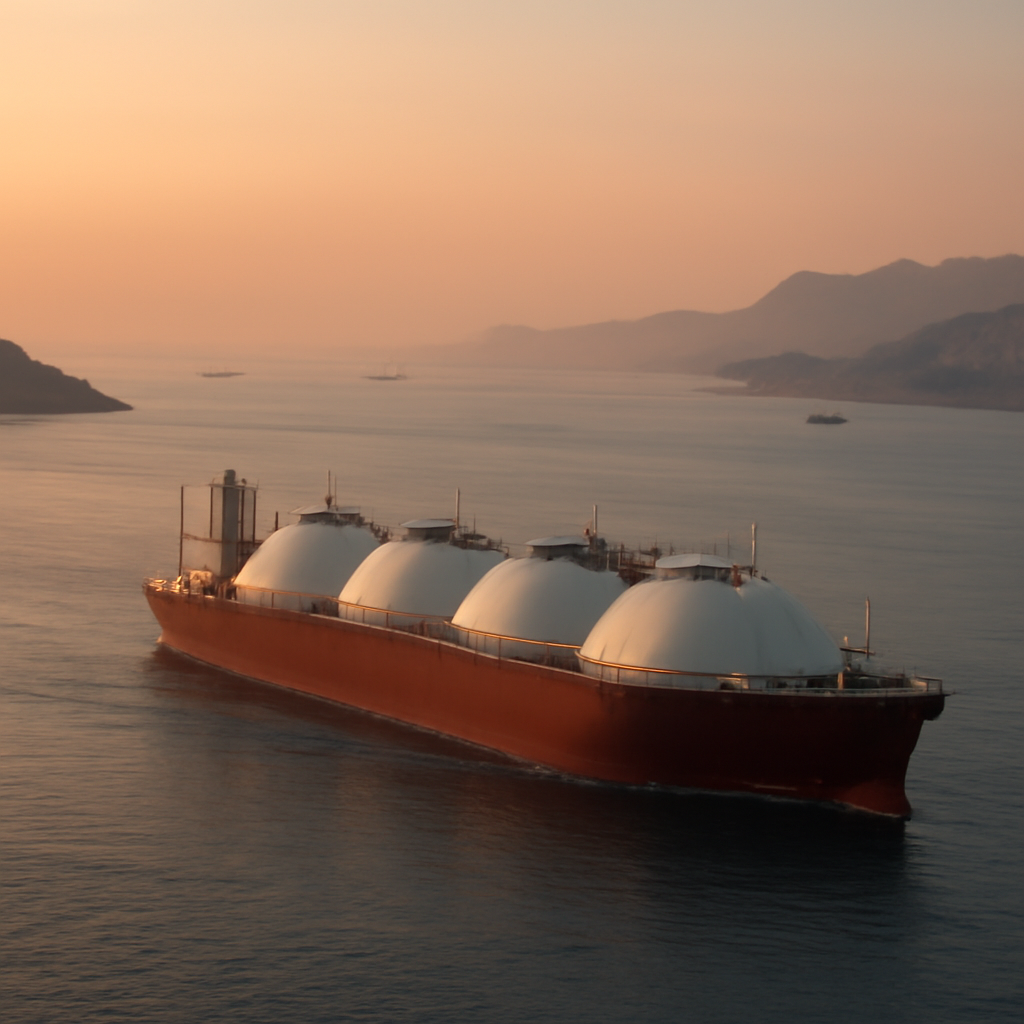
Qatar has warned that losing access to the Bab el-Mandeb strait would worsen an already severe disruption to energy and commercial shipping. The warning comes as traffic through the Strait of Hormuz remains constrained, affecting LNG exports and adding pressure to global supply chains.
Doha is calling for a diplomatic solution as regional tensions continue to threaten two of the most important maritime routes linking the Gulf, the Red Sea and international markets.
Qatar highlights risks to two vital shipping routes
The Bab el-Mandeb connects the Red Sea with the Gulf of Aden and the wider Indian Ocean. It is a crucial passage for vessels travelling between Europe and Asia, while the Strait of Hormuz is a major route for energy exports from the Gulf.
Qatar’s warning reflects concern that disruption at both gateways could produce wider consequences for fuel deliveries, freight costs and maritime insurance. The country is a major liquefied natural gas exporter, making secure sea routes especially important to its economy and international customers.
The comments were made as a Houthi offensive along Yemen’s Red Sea coast placed renewed attention on the security of the Bab el-Mandeb. At the same time, restrictions around Hormuz have reduced the movement of energy cargoes and created uncertainty for buyers.
Why the Strait of Hormuz matters to energy markets
The Strait of Hormuz is narrow but strategically essential. It provides the main maritime exit for oil and LNG produced in several Gulf states, including Qatar. Any prolonged interruption can force exporters and importers to consider alternative routes, substitute fuels or reduced consumption.
Recent reports from Qatar indicated that LNG traffic through Hormuz had begun to pick up, but volumes remained below normal levels. European and Asian buyers have reportedly faced cancelled or delayed cargoes, prompting them to search for replacement supplies.
The disruption matters to Europe because several European countries rely on LNG imports to balance their energy systems. Although the effect differs between countries, prolonged uncertainty can influence:
- the availability and price of spot LNG cargoes;
- competition between European and Asian buyers;
- shipping and insurance costs;
- industrial users that depend on natural gas; and
- government efforts to maintain energy security.
Qatar calls for diplomacy rather than escalation
Qatar has positioned itself as a mediator during the wider regional crisis and has urged the parties involved to pursue dialogue. Its latest warning places freedom of navigation at the centre of the diplomatic response.
The Qatari position is that further military escalation could damage trade beyond the immediate conflict zone. A closure or serious restriction at Bab el-Mandeb would add another pressure point to the existing Hormuz disruption and could make it more difficult for commercial shipping to operate safely.
Doha has also argued that regional security cannot depend solely on outside protection. Gulf states have called for stronger regional defence arrangements while continuing to stress the need for diplomatic engagement.
What the disruption means for Europe
For European governments, the immediate concern is not simply the volume of fuel available but the reliability of delivery schedules. LNG cargoes can sometimes be redirected, but alternative journeys may take longer and involve higher costs.
European energy markets have already developed mechanisms to manage supply shocks, including storage, pipeline imports and diversified LNG procurement. However, a simultaneous threat to Hormuz and Bab el-Mandeb would increase logistical complexity.
The consequences could extend beyond gas. Container shipping, refined petroleum products and other goods may also face longer routes if vessels avoid exposed waters. That can affect delivery times and transport costs for businesses trading between Europe, the Middle East and Asia.
What happens next?
The immediate focus will be on whether diplomatic efforts can restore safe passage through the Strait of Hormuz and prevent further attacks affecting the Red Sea route. Shipping companies and energy traders will continue to assess security advice, insurance conditions and the availability of alternative routes.
Qatar’s warning does not itself change maritime access or international law. It is a political and diplomatic appeal aimed at highlighting the regional and global consequences of further disruption.
For European consumers, the main effects will depend on the duration of the crisis, the scale of any LNG cancellations and whether commercial traffic returns to normal. Short-lived disruption may be absorbed through rerouting and alternative supplies, while a prolonged crisis could place greater pressure on energy prices and inflation.
Conclusion
Qatar’s latest warning underlines how closely connected the Hormuz and Red Sea shipping corridors are to European energy security and global trade. The central issue for Europe is whether diplomacy can restore freedom of navigation before disruptions spread across both routes and create longer-lasting pressure on energy markets.