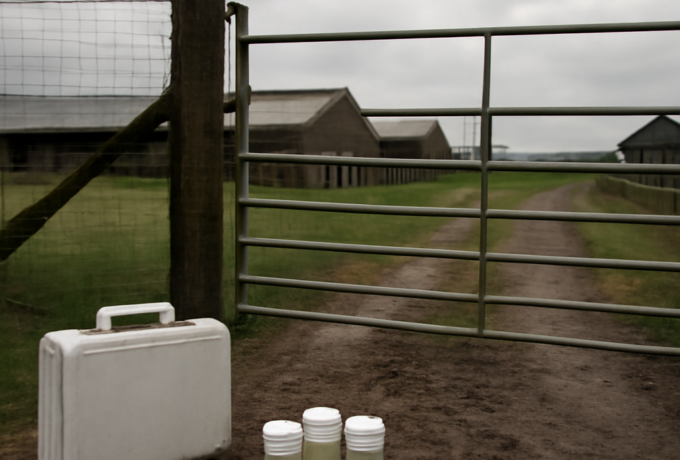
A reported case of avian influenza is being investigated at a commercial poultry premises in Co Tyrone after significant bird mortality and clinical signs consistent with the disease were observed. Northern Ireland authorities have restricted the flock while laboratory testing takes place.
Avian influenza investigation begins in Co Tyrone
Veterinary officials from Northern Ireland’s Department of Agriculture, Environment and Rural Affairs (Daera) attended the premises on Sunday. They introduced restrictions affecting the flock and collected official samples for analysis.
The samples were sent to the UK National Reference Laboratory in Surrey. Results were expected on Monday, although the source report noted that avian influenza had not yet been confirmed.
Why the flock has been restricted
The measures follow reports of substantial mortality among the poultry and signs that were considered compatible with avian influenza. Restrictions are a precautionary step designed to limit potential spread while officials establish whether the disease is present.
At this stage, the investigation concerns one commercial poultry premises in Co Tyrone. The available information does not confirm the strain involved, the number of birds affected or whether any wider control zone has been introduced.
Northern Ireland officials await laboratory results
Agriculture Minister Andrew Muir acknowledged the pressure on the affected flock-keeper and the uncertainty for the wider poultry sector. He said the disease had not been confirmed but that the situation was being treated seriously.
Daera said contingency plans were in place and that officials were ready to introduce the measures required at the premises if highly pathogenic avian influenza is confirmed. The department is also considering whether additional disease-control measures may be necessary across Northern Ireland, based on veterinary and epidemiological advice and an assessment of risk.
If testing confirms the disease, Daera said it will immediately implement the appropriate controls. Further communications are expected once the laboratory results are available.
What the investigation means for the poultry sector
Avian influenza, commonly known as bird flu, can affect domestic poultry and wild birds. Suspected cases at commercial premises are assessed promptly because the movement of birds, products, equipment and people can influence the risk of transmission.
The restrictions at the Tyrone premises allow veterinary authorities to manage the situation while testing is completed. Any further steps will depend on the laboratory findings and the latest professional assessment of the risk.
For poultry keepers, the development underlines the importance of biosecurity, including limiting unnecessary contact with flocks, maintaining clean equipment and reporting unusual mortality or signs of illness through the appropriate official channels. Specific instructions, however, should come from Daera or a flock keeper’s veterinary adviser.
Key points from the investigation
- A suspected case has been identified at a commercial poultry premises in Co Tyrone.
- Significant mortality and clinical signs consistent with avian influenza were reported.
- Daera veterinary officials imposed restrictions and collected samples.
- The samples were sent to the UK National Reference Laboratory in Surrey.
- The disease had not been confirmed when the report was published.
- Further disease-control measures may be considered if testing confirms highly pathogenic avian influenza.
Updates expected after testing
The next significant development will be the laboratory result. Until then, the reported case remains under investigation and should not be treated as a confirmed outbreak.
Daera said it would issue further communications to keep the poultry industry, relevant stakeholders and the public informed. The outcome will determine whether restrictions remain focused on the affected premises or whether wider measures are required across Northern Ireland.
Conclusion
This avian influenza investigation in Co Tyrone is at an early stage. Restrictions have been introduced as a precaution after deaths and suspected symptoms were observed, but confirmation depends on testing by the UK National Reference Laboratory. The clearest takeaway for the public and poultry sector is to await official results and follow any disease-control guidance issued by Northern Ireland authorities.