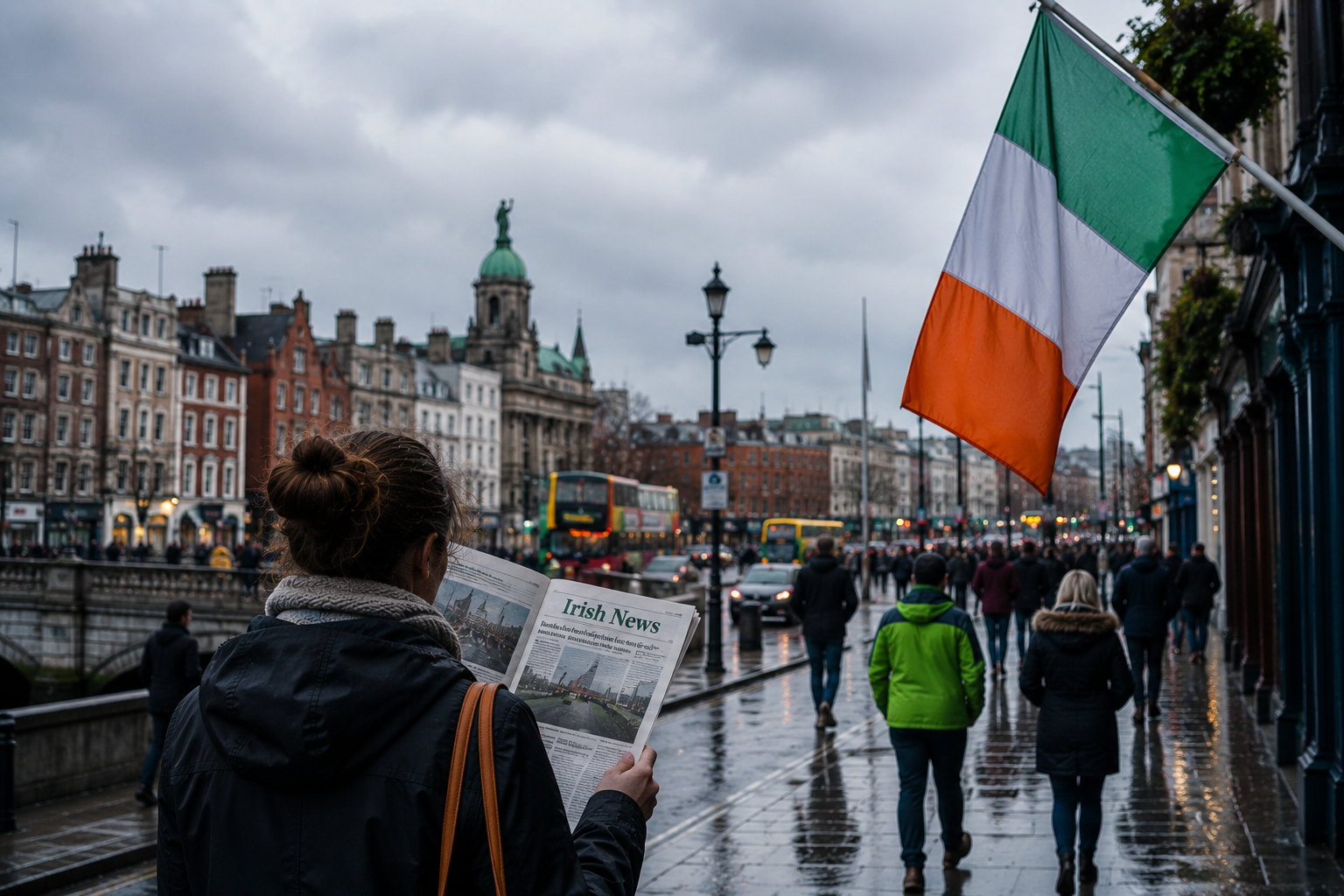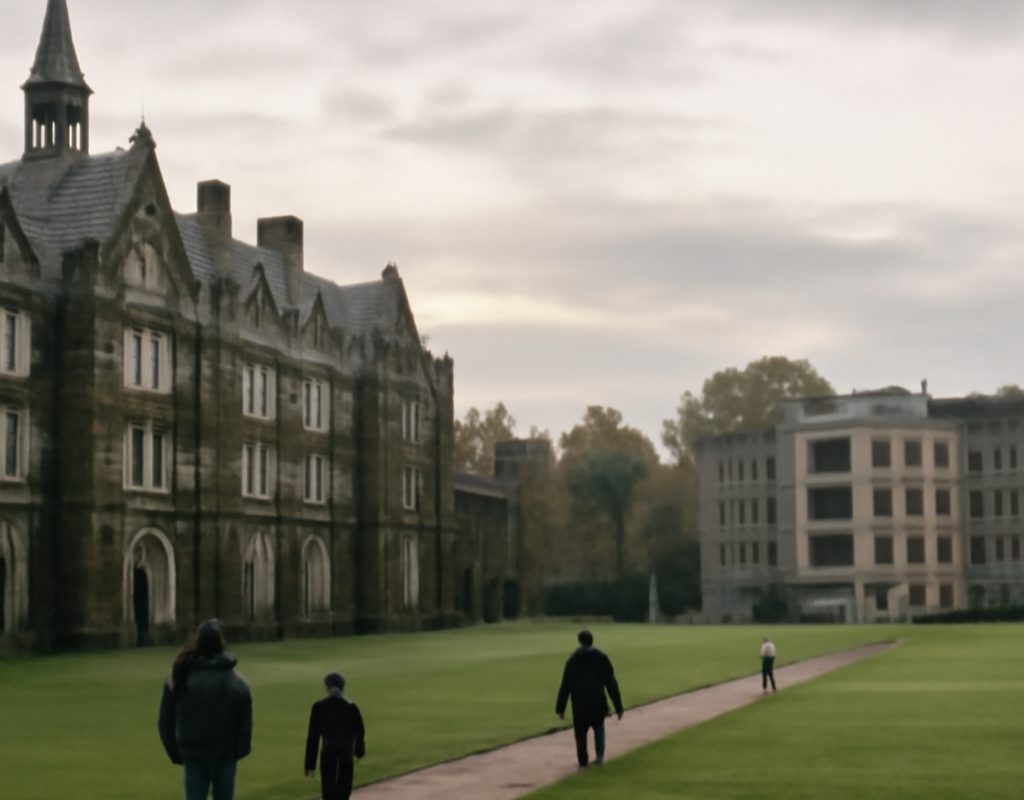
Irish boarding schools are facing a significant change in demand. While some institutions are ending seven-day boarding or closing altogether, others report strong enrolment, rising interest from UK families and continued demand for a full residential education.
Irish boarding schools face a changing market
The future of Irish boarding schools is not following one clear path. Wesley College in south Dublin has announced that it will stop offering seven-day boarding, citing a sharp fall in demand from its traditional market and stronger interest in five-day arrangements.
The school said families increasingly want their children to board during the academic week while returning home at weekends. That approach offers structured accommodation, supervision and access to school activities without removing regular contact with family.
The announcement followed Glenstal Abbey School’s decision to close. The Limerick boarding school said it was experiencing pressures similar to those affecting boarding schools in Ireland and elsewhere.
Why the five-day model is becoming more attractive
Five-day boarding reflects wider changes in family life, work patterns and parental expectations. Families may value the convenience of having lessons, sport, music and evening study based in one setting during the week, while still preserving weekends at home.
That model can be particularly appealing to professional families living within commuting distance of a school. It may also provide a middle ground between traditional boarding and full-time day attendance.
- Students remain at school during the busiest part of the week.
- Parents retain regular weekend contact.
- Schools can offer supervised academic and extracurricular programmes.
- Families may have fewer weekday transport and childcare pressures.
Some Dublin schools report strong boarding demand
Despite the difficulties elsewhere, St Columba’s College and Alexandra College Dublin say demand remains robust.
St Columba’s, a coeducational Church of Ireland school in Whitechurch, Dublin 16, has 350 pupils, including 245 boarders. The school offers seven-day boarding only. Its reported fees are €31,154 for boarders and €11,481 for day pupils for the current academic year.
The school’s warden, Mark Boobbyer, said the high proportion of boarders is central to its identity. Families choosing the school are often specifically seeking a boarding environment rather than attending a day school that provides boarding as a smaller additional service.
Alexandra College in Milltown offers both five-day and seven-day boarding for girls at junior and senior level. The school says it has a full boarding list for the next academic year, capped at 200 students. That compares with 64 boarders when principal Barbara Ennis joined the school in 2010.
Investment in accommodation, international marketing and long-term planning have helped the Dublin school expand its boarding numbers. Around half of its boarding population comes from outside the State.
Wesley College is ending seven-day boarding; Glenstal Abbey School is closing; St Columba’s and Alexandra College report strong demand; and UK interest has increased after changes to private-school taxation.
UK tax changes create new opportunities for Irish schools
One factor supporting demand at some Irish boarding schools is the increase in the cost of private education in the United Kingdom. In January 2025, the UK removed the VAT exemption for private schools, meaning fees became subject to 20 per cent VAT.
Private-school enrolment in the UK subsequently fell by 11,000 in the same year, while the fees paid by families rose by 22 per cent over a 12-month period. Irish schools say the change has encouraged more UK families to consider alternatives, especially where they have Irish connections.
Alexandra College has reported more applications from students in the UK, particularly those with Irish heritage. The school is also promoting itself internationally, including at education fairs in Germany, Japan and the United States.
Rising fees and economic risks remain a concern
Boarding schools operate in a high-cost part of the education sector. Private-school fees in Ireland have risen by almost 25 per cent over five years, placing additional pressure on household budgets.
The sector is also exposed to wider economic shocks. School leaders recalled the impact of the financial crisis after 2008, when some families could no longer afford fee-paying education. A future downturn could create similar difficulties, particularly for schools that depend heavily on international enrolment.
International uncertainty may also affect families’ ability to pay. Changes in employment, currency values, banking conditions or geopolitical events can quickly influence decisions about overseas education.
What happens next for Irish boarding schools?
The evidence suggests that the Irish boarding sector is adjusting rather than disappearing. Schools with a clear boarding identity, strong facilities and access to affluent or international markets may continue to attract families. Others may need to change their model, introduce five-day options or reconsider whether boarding remains financially sustainable.
Parents comparing schools should look beyond headline fees. Important questions include:
- Does the school offer five-day, seven-day or flexible boarding?
- How many students are boarders?
- What accommodation and pastoral support are available?
- How often can students return home?
- Are tuition, boarding, transport and extracurricular costs charged separately?
Frequently asked questions
Are Irish boarding schools closing?
Some are facing serious pressure. Glenstal Abbey School has announced its closure, while Wesley College is ending seven-day boarding. However, St Columba’s College and Alexandra College report strong demand.
What is five-day boarding?
Five-day boarding usually means students stay at school during the week and return home at weekends. It combines residential support with more frequent family contact.
Why are more UK students considering Irish schools?
UK private-school fees rose after a 20 per cent VAT charge was introduced in 2025. Irish schools say this has increased interest from some UK families, particularly those with Irish connections.
Are Irish boarding schools expensive?
Fees vary by school and boarding arrangement. The reported examples range from day-school fees to more than €31,000 for seven-day boarding, before families consider other education and living costs.
The future of Irish boarding schools
The latest Irish news from the sector points to a market being reshaped by cost, convenience and changing family priorities. Seven-day boarding is not disappearing everywhere, but it is no longer the only model that families want.
For Irish boarding schools, long-term success will depend on maintaining high-quality pastoral care, investing in facilities and responding to what families can realistically afford. The clearest takeaway is that boarding remains viable, but schools must offer a compelling and flexible proposition to survive in a more competitive education market.