Gardaí have purchased Israeli anti-drone technology as Ireland’s policing authorities respond to the growing use of unmanned aircraft and the security challenges they can create. The development is among the latest Ireland News stories involving public safety, surveillance and emerging technology.
What happened?
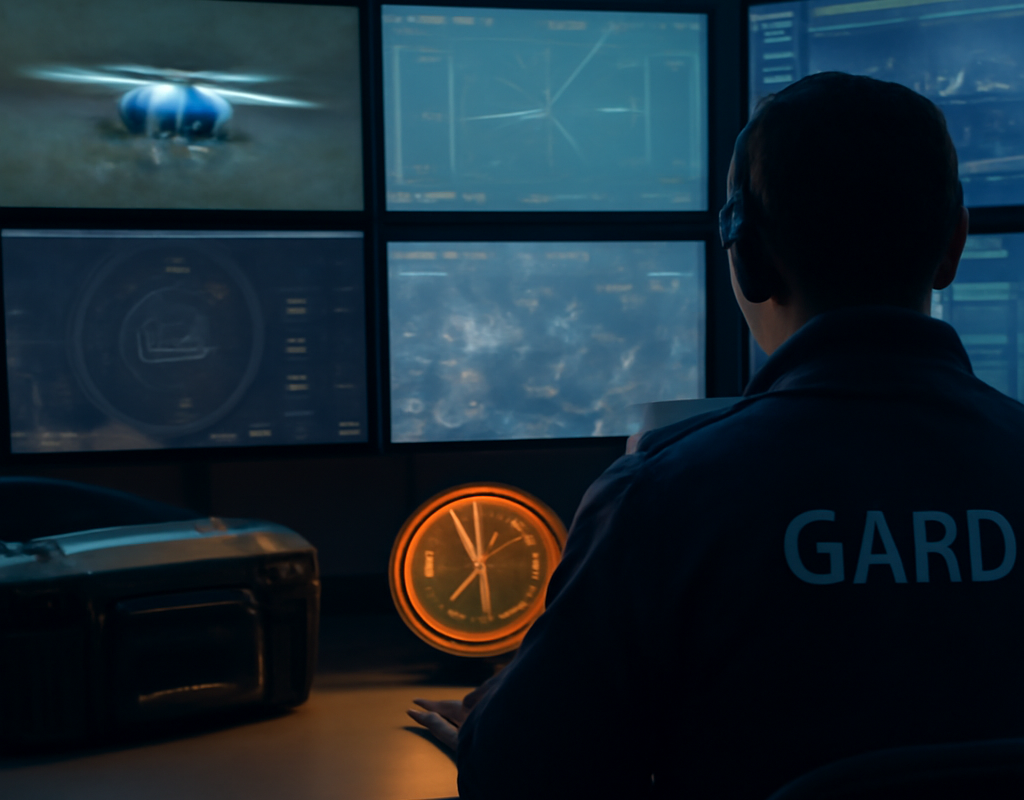
An Garda Síochána has acquired anti-drone equipment supplied by an Israeli technology company, according to the source report. The system is designed to help detect, track and disrupt unauthorised drones in sensitive locations or during major operations.
The purchase places counter-drone capability within the wider toolkit available to Gardaí. Details about the equipment’s cost, deployment locations and operational use were not provided in the available source material.
Why anti-drone technology matters in Ireland
Drones are widely used for legitimate purposes, including photography, surveying, agriculture and emergency response. However, an aircraft operating without permission can create risks around airports, prisons, large public gatherings, government buildings and other protected sites.
Anti-drone systems typically combine several functions:
- Detection: identifying a drone and, where possible, its control signal.
- Tracking: monitoring the aircraft’s position and movement.
- Identification: helping operators assess whether the flight is authorised or suspicious.
- Response: disrupting communications or preventing the drone from continuing its flight, subject to legal and operational safeguards.
The technology does not remove the need for trained officers, aviation coordination or evidence gathering. It is intended to support those processes when a drone presents a credible security or public-safety concern.
- An Garda Síochána has bought Israeli anti-drone technology.
- The equipment is intended to support detection and response to unauthorised drone activity.
- Specific details about price, locations and deployments were not available in the source material.
Potential impact on Garda operations
Counter-drone equipment could be used as part of security planning for major events, sensitive operations or locations where an unauthorised flight could cause disruption. It may also help officers establish a faster picture of an incident before deciding whether further action is required.
For the public, the purchase is unlikely to change ordinary drone use. Operators must still comply with Irish aviation rules and should check the requirements that apply to their aircraft, location and activity. Flying near restricted areas or interfering with emergency and security operations can create serious consequences.
Privacy, safety and legal questions
The arrival of new surveillance and communications technology also raises questions about proportionality, oversight and data handling. Any use of counter-drone equipment must operate within the legal framework governing policing, aviation, communications and privacy.
There is also a practical safety issue. Disrupting a drone can cause it to land, return to its launch point or lose stable operation. The safest response will depend on the surroundings, the aircraft involved and the potential risk to people or property below.
Those questions are especially important in urban areas, near transport infrastructure and during crowded public events. Clear procedures can help ensure that technology is used only when justified and that incidents are properly documented.
What happens next?
The next stage is likely to involve operational integration, officer training and the development of procedures for requesting and using the system. Public information may become clearer if Gardaí or relevant authorities publish further details about the equipment, its capabilities and the circumstances in which it can be deployed.
The purchase also reflects a broader shift in Irish public services. Police forces, aviation authorities and emergency agencies internationally are assessing how to manage drones as the technology becomes more accessible and capable.
For further coverage of public safety, technology and Ireland’s changing services, visit DailyDigest.
Frequently asked questions
What is anti-drone technology?
Anti-drone technology refers to equipment used to detect, identify, track and potentially disrupt unmanned aircraft that pose a security or safety concern.
Why would Gardaí need it?
The equipment can help Gardaí respond to unauthorised drone activity around sensitive sites, public events or active operations.
Does the purchase affect recreational drone users?
Not automatically. Lawful drone use remains governed by applicable Irish aviation rules. Operators should understand where and how they are permitted to fly.
How much did the technology cost?
The available source material did not provide a purchase price, deployment schedule or detailed technical specification.
Conclusion
The Garda purchase of Israeli anti-drone technology marks a significant development in Irish security planning. As drones become more common, the challenge is to balance public protection with aviation safety, privacy and accountable use of state powers. This Breaking News story remains developing, and further official information will be important in explaining how the system is used in practice.