European Union leaders have called for a collective effort to fund a major Ukraine support package, warning that every member state may need to contribute as Kyiv faces an estimated €70 billion budget shortfall next year. The demand emerged during an EU summit in Dublin on Friday, placing renewed pressure on governments that oppose further financial assistance.
The discussions are among the most significant items in today’s Ireland News, with the outcome likely to influence the EU’s approach to Ukraine funding and relations between its pro-Kyiv governments and more nationalist administrations.
What happened at the EU summit?
Several European leaders argued that all EU member states should take part in a new financial package for Ukraine. The proposed support is intended to help close a projected €70 billion gap in Kyiv’s budget over the coming year.
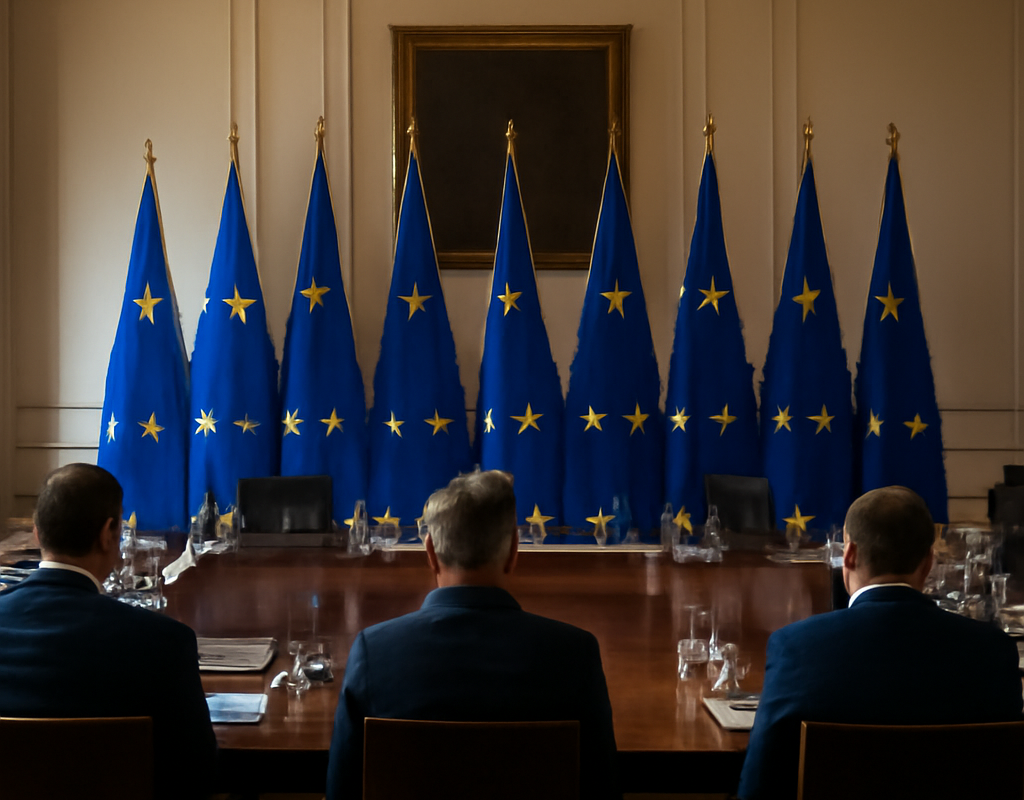
The call for shared responsibility was made during a meeting of EU heads of state or government in Dublin. Taoiseach Micheál Martin was pictured at the summit alongside Kaja Kallas, the EU’s high representative for foreign affairs.
The issue is developing and the source material does not provide final details on the package’s structure, timeline or the amount each country might be expected to provide.
Why Ukraine funding is creating tension inside the EU
The demand for a united funding effort has exposed a political divide within the European Union. Germany’s chancellor Friedrich Merz and other European leaders have backed a collective approach, signalling that support for Ukraine should not depend solely on a small group of willing governments.
That position is likely to face resistance from nationalist governments that have opposed sending additional money to Kyiv. The disagreement could become a major test of the EU’s ability to reach consensus on foreign policy and financial commitments.
At the heart of the dispute is a broader question: should Ukraine’s future support be treated as a shared European responsibility, or should individual governments decide independently whether and how much to contribute?
Key facts
- Location: Dublin, Ireland
- Event: Meeting of EU heads of state or government
- Funding gap: Approximately €70 billion in Ukraine’s budget for the coming year
- Central proposal: All EU member states should contribute to a new support package
- Main challenge: Resistance from nationalist governments within the EU
What the funding proposal could mean for EU governments
A jointly funded package would require governments to agree on several unresolved questions. These include how the money would be raised, how contributions would be divided and what safeguards would accompany the support.
The political debate may also affect national budgets at a time when governments across Europe are managing competing demands on public spending. Any contribution could require parliamentary approval or domestic political negotiations, depending on the country involved.
For Ireland, the summit places the government’s position within a wider European discussion about support for Ukraine. The available report does not specify the size of any Irish contribution or confirm whether a final agreement has been reached.
Why the Dublin summit matters
The location of the meeting gives the discussions particular relevance for Irish readers following the latest Irish news. Dublin’s role as host puts Ireland at the centre of a debate involving European security, international assistance and the future direction of EU cooperation.
The summit also reflects how the war in Ukraine continues to shape European political priorities. Financial support is not only a budgetary issue; it is connected to the EU’s wider relationship with Ukraine and its response to the ongoing conflict.
However, the information currently available confirms a demand for collective action rather than a completed agreement. Further negotiations will be needed before the details of any aid package become clear.
What happens next?
EU governments are expected to continue discussions on the proposed financial support. The next stages will likely focus on:
- Determining the final size and design of the package.
- Agreeing how the €70 billion funding requirement should be addressed.
- Establishing the contribution expected from each member state.
- Resolving objections from governments opposed to additional aid for Ukraine.
- Securing the national approvals required to implement the agreement.
Until those issues are settled, the €70 billion figure should be understood as the budget gap the package is intended to help address, not as a confirmed payment already approved by every EU government.
Frequently asked questions
Where was the EU summit held?
The meeting of EU leaders took place in Dublin on Friday.
How much money does Ukraine reportedly need?
The proposed support package is intended to help fill an estimated €70 billion hole in Ukraine’s budget for the coming year.
Have all EU countries agreed to contribute?
No final agreement is reported in the available material. Several leaders have insisted that every member state should contribute, but nationalist governments are resistant to further financial support for Kyiv.
Who represented Ireland at the summit?
Taoiseach Micheál Martin attended the meeting of EU heads of state or government.
Conclusion
The Dublin summit has sharpened the debate over how Europe should fund support for Ukraine. With a projected €70 billion budget gap ahead, EU leaders are pressing for an all-member response, but political resistance means the proposal still faces difficult negotiations. This remains a developing story in Breaking News Ireland, and the next phase will determine whether calls for solidarity become a formal EU funding agreement.