A Dublin vegetable grower received an extraordinary surprise after learning that her organic cabbage had been served at a state dinner for some of Europe’s most prominent political leaders. Jenny McNally said she had “no idea” her produce would feature on the menu until someone sent her a photograph from the event.
What happened at the Dublin state dinner?
McNally’s roasted cabbage was included in the official menu for the European Political Community dinner held at Dublin’s National Gallery on Wednesday. The dinner was hosted by Taoiseach Micheál Martin and prepared by award-winning chef Mark Moriarty.
Guests included Ukrainian President Volodymyr Zelenskiy, French President Emmanuel Macron and Italian Prime Minister Giorgia Meloni. The menu highlighted Irish ingredients and producers, placing a north Dublin family farm alongside established food businesses from across the country.
- Jenny McNally’s roasted cabbage was served as a shared side dish.
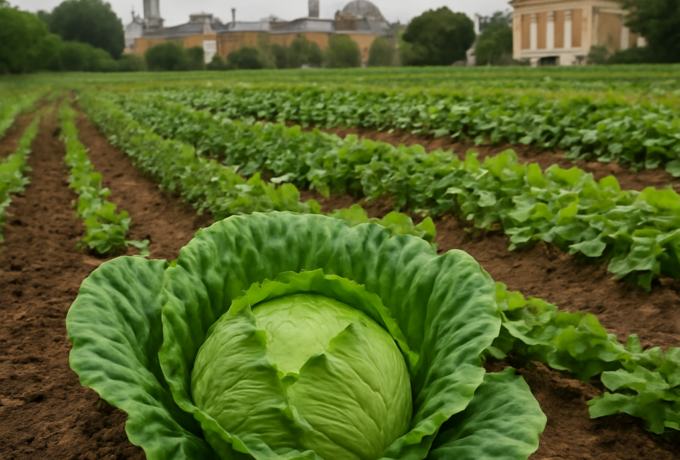
- The cabbage came from an organic family farm in Balrickard, north Dublin.
- The farm has been operated by Jenny and Patrick McNally since 1997.
- The dinner also featured producers from Cork and Wicklow.
‘I had no idea at all’
McNally said the farm had supplied cabbage to Moriarty, but nobody had told her how it would be used. She only discovered that it had reached the state dinner when an acquaintance sent her a picture of the printed menu.
The moment came as a surprise because McNally was continuing with her normal routine, selling vegetables at a market on Friday morning. Customers who had heard the story through RTÉ Radio’s Morning Ireland congratulated her while she worked.
She described the recognition as a “great honour and a privilege” and praised the chef and his team for showcasing Irish producers. Her reaction also reflected the connection between high-profile diplomatic events and the growers who supply the food behind them.
Organic farming in north Dublin
Jenny and Patrick McNally have run their organic family farm since 1997. Their 99-acre holding in Balrickard produces seasonal organic vegetables and salads, and the family also operates a farm shop.
Three of the couple’s five children work on the farm, making the business a multigenerational operation. The story offers a glimpse of the people behind Ireland’s food system, from field production and harvesting to local markets and formal state occasions.
For readers following Ireland News and Irish farming news, the event is also a reminder that locally grown food can have a national and international platform. The cabbage was not presented as an anonymous ingredient: it appeared on the menu under the grower’s name.
Discover more Irish food, farming and community stories at DailyDigest.ie.
A second major royal and political food moment
This is not the first time McNally’s produce has attracted attention at a high-profile event. Her potatoes were served during the late Queen Elizabeth’s state visit to Ireland in 2011, when they appeared as mashed potatoes.
McNally said that supplying food for the Queen, followed years later by providing produce for world and European leaders, represented an especially proud moment for the family farm. The connection between both events highlights the lasting role of Irish growers in official hospitality.
What was on the EPC dinner menu?
The menu was designed around Irish produce, including seafood, beef, dairy, vegetables and traditional flavours. The full selection included:
- Baked potato sourdough with Glenilen Farm butter
- Celeriac baked in barley with yeast, hazelnut, celeriac and fino sherry sauce
- Wild Irish smoked salmon from Sally Barnes of Cork
- Dry-aged Ridgeway beef from Wicklow with artichoke, seaweed and roasted bone marrow jus gras
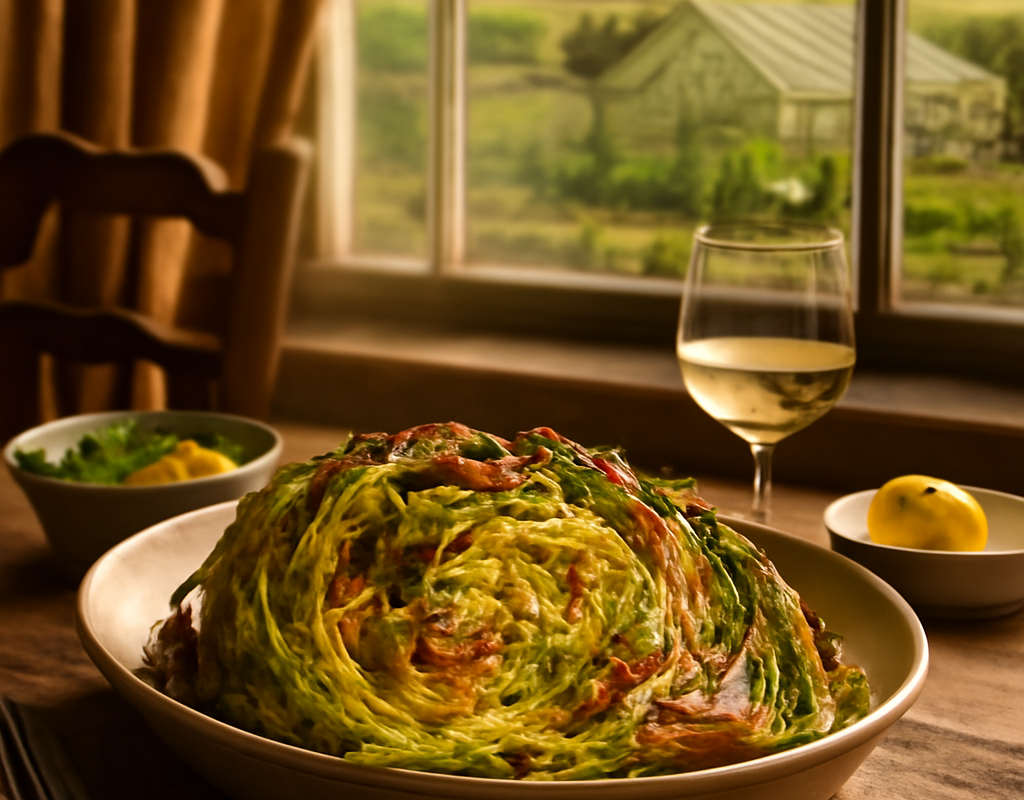
- Jenny McNally’s roasted cabbage with bacon and herbs
- 50/50 mashed potato
- Irish coffee gâteau Opéra with salted Irish milk sorbet
Other named Irish producers included Sally Barnes, whose Woodcock Smokery has smoked wild fish in west Cork for more than four decades, and Cork-based Glenilen Farm.
Why this matters for Irish food producers
The cabbage’s appearance at the European Political Community dinner carries significance beyond one memorable menu item. Naming the grower gives visibility to the source of the ingredient and recognises the work involved in producing food at a local, organic family farm.
It also reflects the wider importance of Irish food provenance. Consumers increasingly want to know where ingredients come from, how they are produced and who stands behind them. Featuring a grower’s name at a diplomatic dinner turns that information into part of the occasion itself.
For smaller farms, such recognition can strengthen public awareness of seasonal produce, direct selling and local supply chains. It also presents Ireland as a country whose food identity is built not only around celebrated restaurants, but around producers working throughout the year.
Frequently asked questions
Where was the cabbage grown?
The cabbage was grown at the McNally family’s organic farm in Balrickard, north Dublin.
Who prepared the state dinner?
Award-winning chef Mark Moriarty prepared the dinner hosted by Taoiseach Micheál Martin.
Who attended the event?
Guests included Ukrainian President Volodymyr Zelenskiy, French President Emmanuel Macron and Italian Prime Minister Giorgia Meloni, among other European Political Community participants.
What other Irish producers were featured?
The menu included smoked wild fish from Sally Barnes’s Woodcock Smokery in west Cork, Glenilen Farm products from Cork and beef from Ridgeway in Wicklow.
Conclusion: a proud moment for a Dublin family farm
Jenny McNally’s cabbage moved from a 99-acre organic farm in north Dublin to a dinner attended by European leaders, without the grower knowing it would be served there. The unexpected recognition celebrates McNally’s family, the wider Irish farming community and the quality of locally produced food.
For anyone looking for meaningful Ireland Headlines beyond politics and public affairs, this is a story about the people who quietly help put Irish produce on the world stage. The clear takeaway is simple: even a humble cabbage can represent the skill, heritage and ambition of Irish food producers.