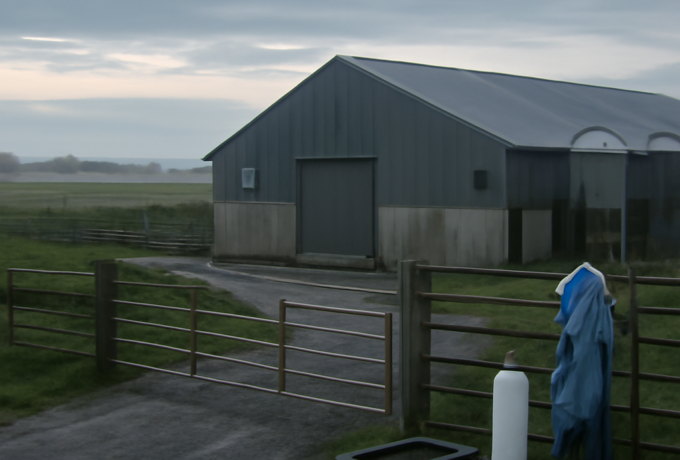
A reported case of avian influenza is being investigated at a commercial poultry premises in Co Tyrone after significant bird mortality and clinical signs consistent with the disease were identified. Restrictions have been placed on the flock while laboratory testing is carried out.
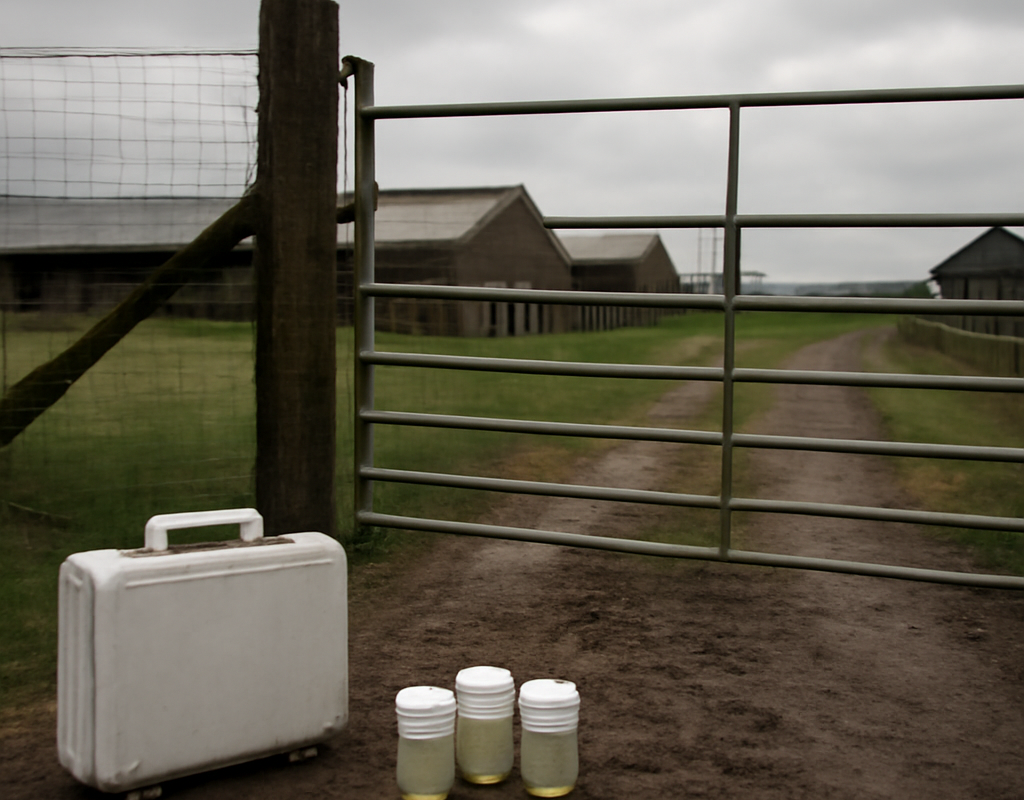
Samples from the farm have been sent to the UK National Reference Laboratory for testing. At this stage, the report remains under investigation and no confirmed diagnosis is provided in the available information.
Avian influenza investigation in Co Tyrone
The case concerns a commercial poultry premises in Co Tyrone, Northern Ireland. Authorities introduced restrictions after observing unusually high mortality among the flock, alongside symptoms considered consistent with avian influenza.
Sending samples to a national reference laboratory is part of the process used to establish whether the virus is present. The laboratory results will determine whether the suspected case is confirmed and what further disease-control measures may be required.
What is known so far
- A reported case is under investigation at a commercial poultry premises in Co Tyrone.
- Significant mortality and clinical signs consistent with avian influenza were observed.
- Restrictions have been introduced on the flock.
- Samples have been sent to the UK National Reference Laboratory.
- The available report does not state that the case has been confirmed.
Why restrictions have been introduced
Avian influenza, commonly known as bird flu, can spread rapidly among domestic and wild birds. When a suspected infection is identified, movement restrictions and other controls may be applied to reduce the risk of transmission while testing takes place.
For poultry businesses, such controls can affect the movement of birds, eggs, equipment and people connected with the premises. The exact measures depend on the findings of the investigation and instructions issued by the relevant authorities.
The restrictions do not, by themselves, confirm that avian influenza is present. They are a precautionary disease-control response while samples are examined.
What happens next?
The immediate next step is laboratory analysis of the submitted samples. If testing confirms avian influenza, authorities may announce additional measures relating to the affected premises and any nearby holdings considered at risk.
Further updates are expected to depend on the laboratory result and any information released by the relevant veterinary authorities. Until then, the reported case should be treated as suspected rather than confirmed.
Advice for poultry keepers
Poultry keepers should follow official veterinary guidance and report signs of illness or unusual deaths through the appropriate channels. Good biosecurity remains important, including limiting contact between domestic birds and wild birds, cleaning equipment and controlling access to poultry areas.
Keepers should rely on official updates for instructions about movement controls, testing and any restrictions that may apply. Unverified claims on social media should not be treated as confirmation of the Co Tyrone report.
Impact beyond the affected farm
The available information does not indicate wider disruption to the public, food supply or poultry trade. Any broader measures would depend on the test result and subsequent decisions by animal-health authorities.
Avian influenza is primarily an animal-health issue, and the investigation is focused on determining whether the virus is present in the flock. Members of the public should seek advice from official health and veterinary sources if further guidance is issued.
Key takeaway
The Co Tyrone poultry premises is subject to restrictions after significant bird mortality and signs consistent with avian influenza. Samples are being tested at the UK National Reference Laboratory, but the available report does not confirm that the disease is present. The next important development will be the laboratory result and any official measures that follow.