Dublin’s wastewater infrastructure is set for a major expansion, with the Greater Dublin Drainage project planned to serve up to 185,000 homes when it is completed. The €2 billion-plus scheme is expected to be delivered by the end of 2031, two decades after it was first proposed.
The project was formally launched on Monday when Taoiseach Micheál Martin turned the sod at the planned site in Clonshaugh, north Dublin. Housing Minister James Browne and Uisce Éireann chief executive Niall Gleeson also attended the event.
Greater Dublin Drainage project reaches construction milestone
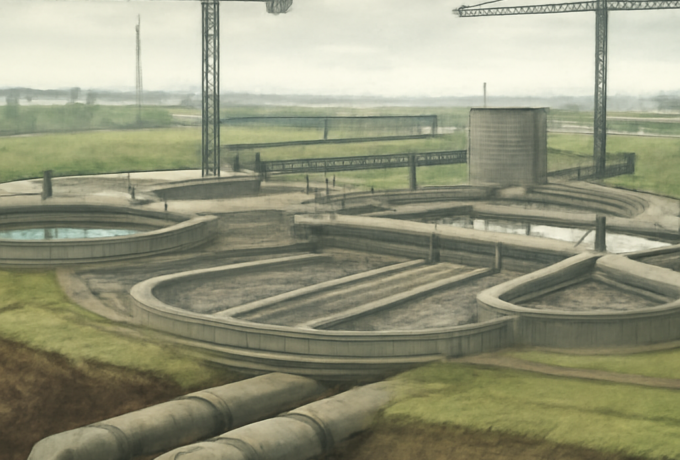
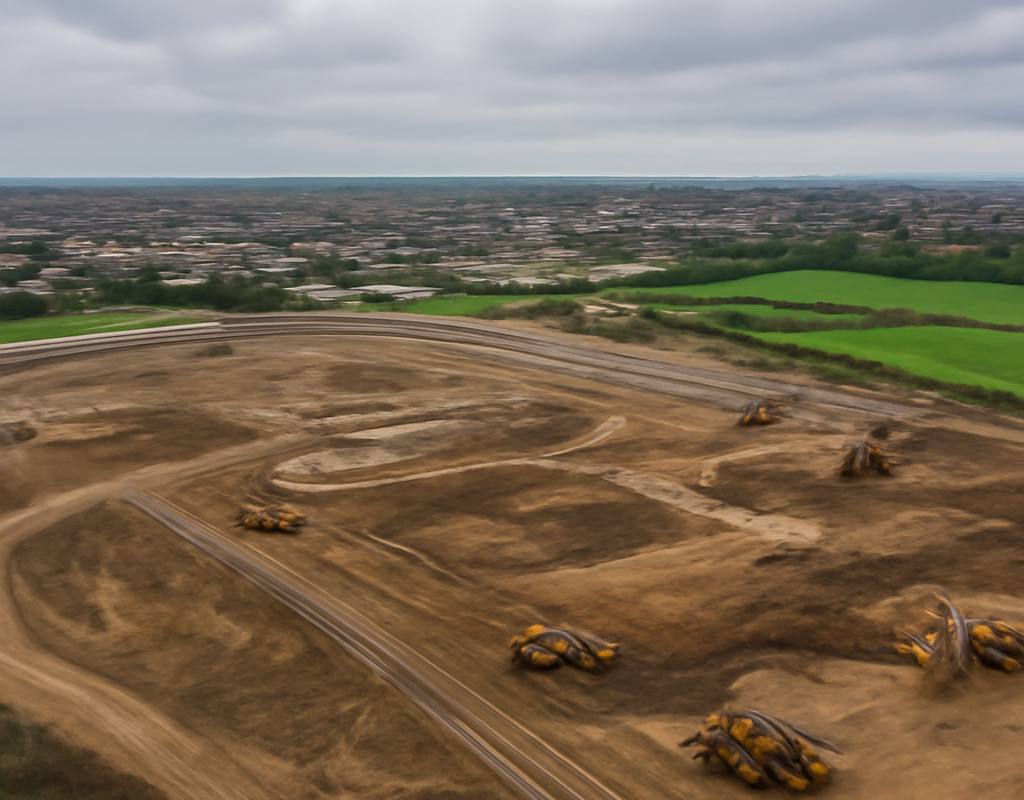
The Greater Dublin Drainage project will be developed on a 30-hectare site at Clonshaugh. It is intended to provide additional regional wastewater treatment capacity for the capital and surrounding areas.
According to the details available, the estimated cost could reach €2.3 billion. The delivery target is the end of 2031, although the scheme’s long timeline reflects the scale of the proposed works and the fact that the project was first put forward around 20 years ago.
The sod-turning marks the move from a long-running proposal to the delivery phase. The facility is expected to support wastewater treatment requirements associated with 185,000 homes.
Why the Dublin drainage scheme matters
Dublin’s population and housing needs have increased significantly since the project was initially proposed. Wastewater treatment is a core part of the infrastructure required to support residential development, public services and economic activity.
By adding regional capacity, the scheme is intended to help address the demands placed on existing systems. It also forms part of the wider infrastructure picture surrounding housing delivery in the Dublin region.
The project is particularly significant because the number of homes it is designed to serve is substantial:
- It is planned to provide capacity for up to 185,000 homes.
- The facility will be located on a 30-hectare site at Clonshaugh.
- The estimated cost is between €2 billion and €2.3 billion.
- Completion is targeted for the end of 2031.
What happens next for the Greater Dublin Drainage project?
The launch begins a lengthy construction and delivery process. The project will need to progress through the planned works before the new facility can provide its intended wastewater treatment capacity.
For residents, developers and public authorities, the key date currently attached to the scheme is the end of 2031. Until then, the project will remain a long-term infrastructure programme rather than an immediate increase in available capacity.
The cost estimate will also remain an important issue as the development advances. A project of this scale requires sustained public investment, and the final expenditure will be closely watched as construction proceeds.
A long-delayed infrastructure project
The Greater Dublin Drainage project was first proposed 20 years before Monday’s launch. That gap highlights the complexity of planning and delivering major infrastructure, particularly where land, environmental considerations, public administration and construction are involved.
The Clonshaugh facility is now expected to be operational by the end of 2031, giving the capital a defined timetable for expanding its regional wastewater treatment network.
What the project means for Ireland’s housing plans
Housing development depends on more than the construction of homes. Water supply, wastewater treatment, roads and other public infrastructure all influence whether new communities can be supported safely and effectively.
The planned capacity for 185,000 homes means the project is closely connected to Ireland housing and the broader infrastructure requirements of the Dublin region. It does not itself build homes, but it is designed to provide essential treatment capacity for a large number of households.
That makes the project relevant to Dublin News and Ireland News audiences beyond the immediate construction site. Its progress will be watched by local authorities, developers, residents and public bodies involved in planning the capital’s growth.
Key takeaway
The Greater Dublin Drainage project has reached a significant milestone with the launch of works at Clonshaugh. Costing up to €2.3 billion and targeting completion by the end of 2031, the facility is planned to serve 185,000 homes and strengthen Dublin’s long-term wastewater infrastructure.