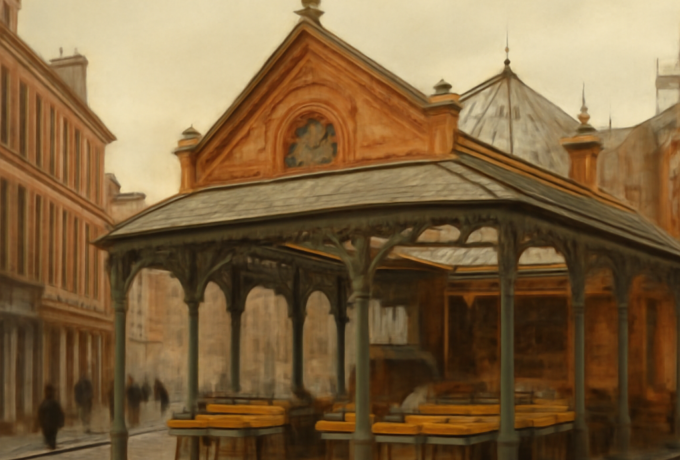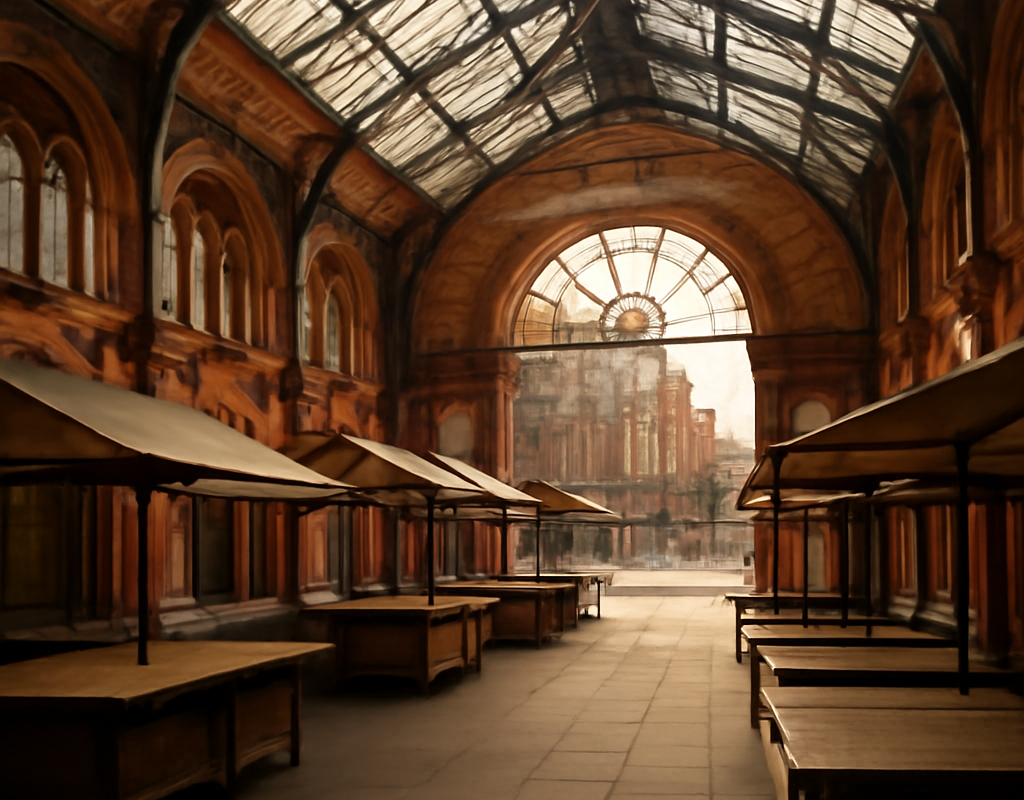
Dublin City Council has advertised a €72.5 million contract to redesign, fit out and operate the city’s historic Victorian fruit and vegetable market for 15 years. The move is the latest step in a long-delayed redevelopment of the 135-year-old building on Mary’s Lane, close to Capel Street.
The market has been closed since 2019 while the council works to restore and modernise the building. A separate refurbishment project, estimated at €44 million, began in June 2025 and is scheduled for completion by September 2027. However, Dublin City Council has not yet announced a confirmed opening date.
Dublin Victorian market operator sought in new €72.5m tender
The successful tenderer will take responsibility for the market hall’s design and fit-out before managing the facility for 15 years. The contract combines the work needed to prepare the venue with its long-term operation.
According to the council, the objective is to create a destination that retains the historic character of the building while introducing modern market, food, retail and visitor facilities. The completed venue is expected to include:
- At least 80 market stalls;
- Restaurant and food demonstration spaces;
- An outdoor farmers’ market beneath canopies in the Chancery Street yard;
- Facilities for community growers and start-up food businesses; and
- Space for established local producers, including some on-site production.
The Chancery Street yard is located at the rear of the building, near the Luas line. The planned layout is intended to give smaller producers and food enterprises a direct route to customers in the city centre.
What the council says about the project
Richard Shakespeare, chief executive of Dublin City Council, described the operating tender as the next step towards reopening the market. He said the project was of strategic importance to Dublin and pointed to the potential economic and regenerative benefits of a sustainable retail food market.
The announcement does not set out a final opening date. That will depend on the progress of the refurbishment, the appointment of an operator and the subsequent design and fit-out process.
A redevelopment delayed for more than two decades
The plan to redevelop the market has a long history. The first proposal dates back to 2002, while a much larger scheme was selected in 2007. That project, estimated at €425 million, included apartments and offices alongside a retail food market. Michelin-starred restaurateur Patrick Guilbaud was reported at the time to be in discussions about becoming an anchor tenant, but no contracts were signed before the financial crash halted the development.
The council later adopted a more limited approach, focusing on a retail and wholesale food facility. Roof repairs began in 2012, and redevelopment plans were drafted the following year with the aim of opening a new market in 2015.
Progress was held up by the need to secure vacant possession of the hall. Around a dozen wholesalers were still trading from the building when that requirement became an issue. Planning permission for a retail-only market was secured in March 2015, but negotiations with traders continued until the council obtained vacant possession in August 2019.
Why the market has remained closed
The building closed immediately after vacant possession was secured. At the time, the council said it intended to begin a tender process and hoped to have the new market operating by 2021. That timetable was not achieved.
Since its closure, the hall has had limited uses. It has been rented to a construction company for storage, hosted occasional events and been used by film companies. The vacant building has also suffered repeated vandalism, including fire damage to several old wooden doors.
In March 2025, councillors approved borrowing of up to €30 million towards the overall refurbishment cost. Ministerial approval was subsequently obtained for the works to proceed. The current refurbishment programme began in June 2025 and is expected to continue until September 2027.
Potential impact on Dublin city centre
The proposed market is intended to combine heritage conservation with new commercial and community uses. Its planned mix of stalls, restaurants, demonstrations, local production and a farmers’ market could provide additional space for food businesses while creating a new visitor destination near Capel Street.
For Dublin residents, the immediate development is the launch of the operating tender rather than the reopening itself. The council must still select a successful candidate, complete the building works and oversee the market’s fit-out before trading can begin.
The project therefore remains subject to further stages, despite the latest tender representing a significant move forward after years of delay. Until those stages are completed, the historic market’s eventual opening date remains unconfirmed.
What happens next?
The next phase will be the procurement process for the 15-year operating contract. The appointed operator will then be expected to develop the internal design, complete the fit-out and prepare the market for occupation by traders and food businesses.
Alongside the council’s building programme, the operator will need to shape the mix of stalls and supporting facilities envisaged for the venue. That includes accommodation for community growers, start-ups and established producers, as well as the restaurant and demonstration areas.
The project’s progress will be watched closely as part of Dublin News and wider Ireland News coverage because it concerns a prominent city-centre building that has been closed for several years. For now, the confirmed facts are that refurbishment is under way, an operator is being sought and no opening date has been announced.
The €72.5 million contract marks an important step towards bringing Dublin’s Victorian fruit and vegetable market back into use, but the building’s return to daily trading still depends on the tender outcome, fit-out and completion of the wider refurbishment.