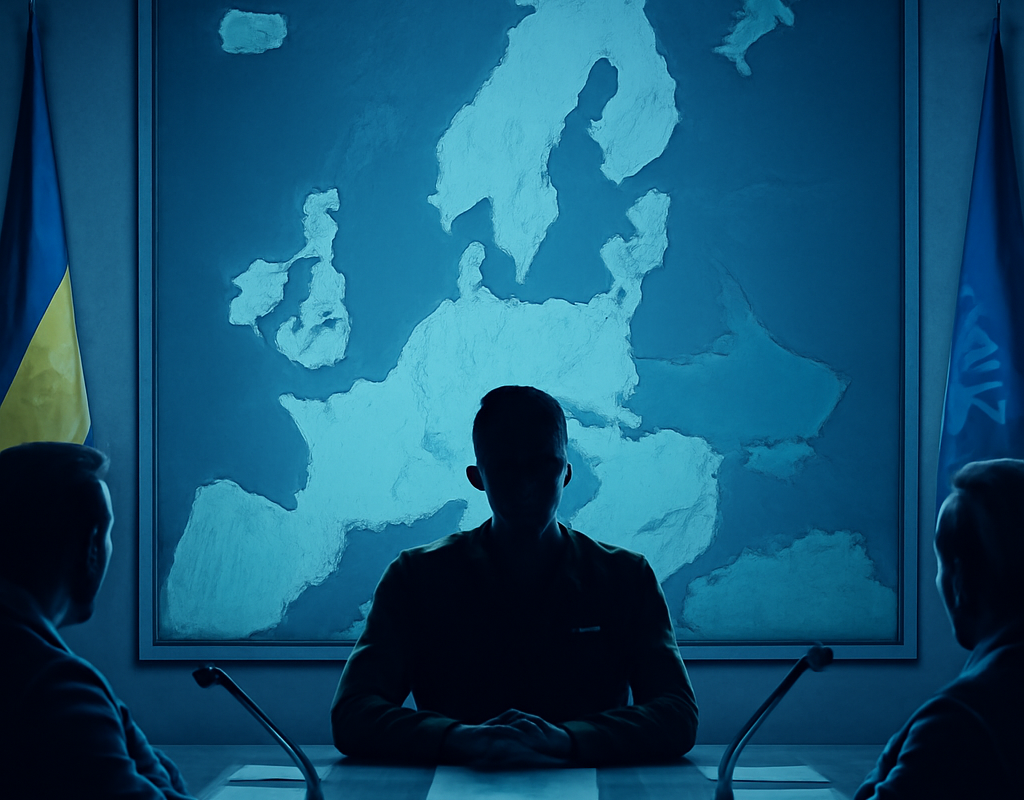
Norway’s foreign minister has rejected Moscow’s demand for influence over NATO’s military activities, arguing that European countries must retain the right to decide their own security arrangements. The warning comes as diplomatic efforts surrounding the war in Ukraine raise fresh questions about the future of Europe’s security order.
Speaking to Euronews on 17 November 2026, Espen Barth Eide said Russia should not be allowed to determine what NATO does within the alliance’s own territory. He also cautioned against any settlement that would divide Europe or the wider world into competing spheres of influence.
Norway’s warning over Russia and NATO
Barth Eide said Europe already had a functioning security architecture and rejected the suggestion that it needed to be renegotiated because of Moscow’s demands. In his view, the central problem was not the existing framework, but Russia’s violation of it through its actions against Ukraine.
His comments reflect a core principle of European security policy: sovereign states should be able to choose their alliances without external vetoes. That position is particularly significant for NATO members and countries that have sought closer ties with the alliance in response to Russia’s war in Ukraine.
The Norwegian minister’s message can be summarised in three points:
- Russia should not control NATO’s military decisions inside allied territory.
- European countries must remain free to choose their own security partnerships.
- Any agreement affecting Ukraine must be accepted by Ukraine itself.
‘Nothing about Ukraine without Ukraine’
Barth Eide also warned that no settlement should be imposed on Kyiv without its consent. His position echoes the principle that Ukraine must be directly involved in decisions about its territory, security and political future.
The issue is central to current European affairs because any ceasefire or peace process could involve decisions extending beyond the immediate fighting. Questions about security guarantees, military deployments, borders and reconstruction would all have long-term consequences for Ukraine and its neighbours.
For European governments, the challenge is to support diplomacy without allowing negotiations to remove Ukraine’s role from decisions that directly affect it. The Norwegian foreign minister’s comments underline the tension between efforts to end the war and concerns that a rushed settlement could create a new, unstable security arrangement.
Arms control could return after a ceasefire
Although Barth Eide rejected the idea of renegotiating Europe’s entire security architecture, he said future discussions with Moscow could still address practical arms-control issues after a ceasefire.
Possible areas for discussion could include:
- arms-control arrangements;
- verification mechanisms;
- military transparency; and
- confidence-building measures.
He pointed to Cold War precedents as examples of how rivals can reduce the risk of miscalculation even when political disagreements remain unresolved. Such mechanisms would not necessarily determine which countries belong to NATO or how the alliance operates, but could help manage military risks between opposing sides.
The distinction is important. Arms control seeks to limit danger through agreed rules, while a division into spheres of influence would give powerful states a say over the choices of smaller countries. Barth Eide presented the former as a possible subject for diplomacy and the latter as a model Europe should reject.
Why spheres of influence remain controversial
The Norwegian minister invoked the legacy of the 1945 Yalta Conference when warning against major powers dividing the world between them. The reference reflects concerns that large states could reach agreements over smaller countries without their participation.
For countries in eastern and northern Europe, the issue is closely linked to national sovereignty and the right to determine foreign policy. Russia’s demand for limits on NATO activity has been viewed by European governments through the wider context of the war in Ukraine and Moscow’s objections to the expansion of Western security structures.
Barth Eide’s remarks therefore form part of a broader European debate about how to build a durable peace. The question is not only how to stop the fighting, but also how to prevent a future arrangement from weakening the independence of countries that sit between Russia and the rest of Europe.
What the latest Europe news means
The comments do not announce a new agreement or a change to NATO policy. Instead, they set out Norway’s position as diplomatic discussions continue: dialogue with Russia may be possible on arms control and risk reduction, but not on the principle that Moscow can decide NATO’s activities or dictate the alliances chosen by sovereign states.
For readers following EU news and European security news, the statement highlights the difficult balance facing governments across the continent. European leaders are under pressure to support negotiations while preserving Ukraine’s agency and maintaining the right of countries to make independent security decisions.
The key takeaway: Norway says future talks may address military safeguards, but Russia must not be given a veto over NATO or a role in dividing Europe into spheres of influence. Any credible settlement, according to Oslo, must respect sovereignty and include Ukraine in decisions about Ukraine.