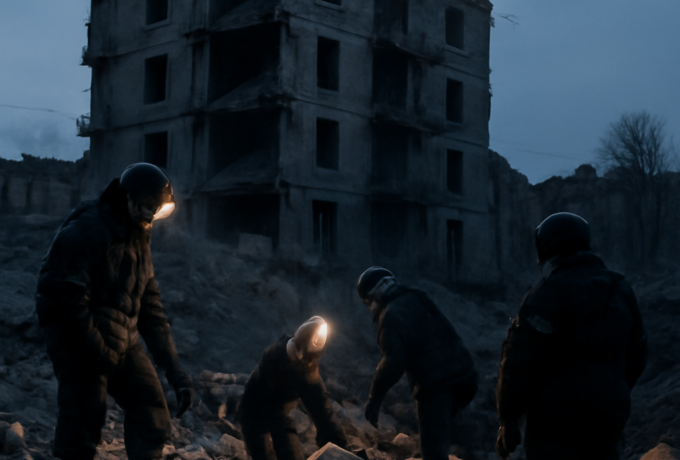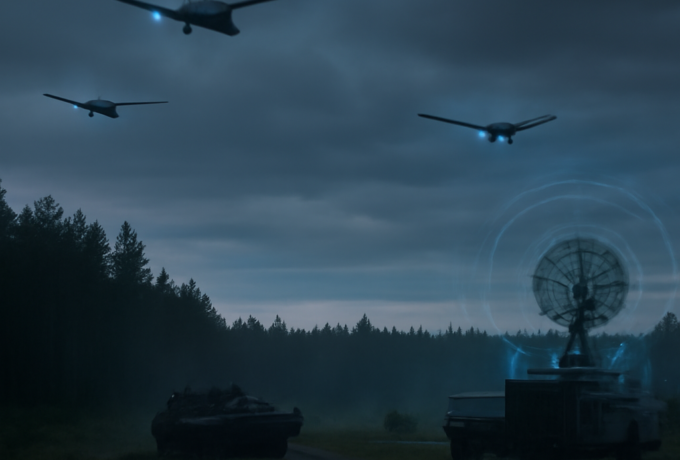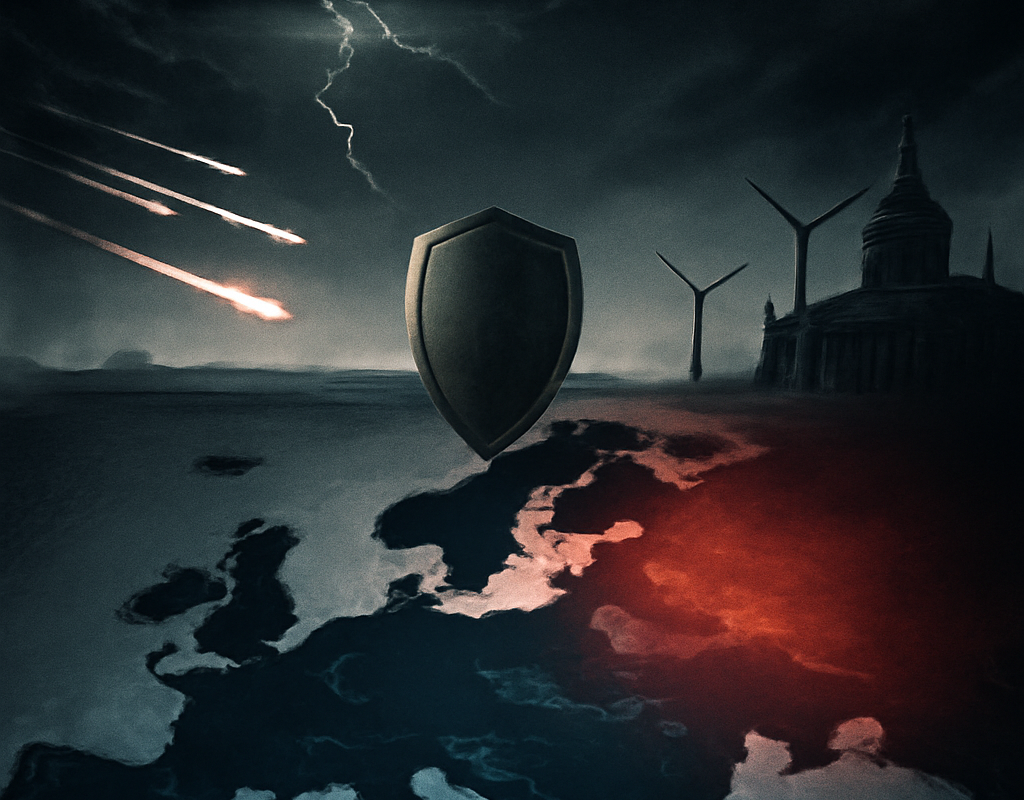
EU news is being shaped by two urgent developments on 23 November 2026: the European Commission is preparing a new sanctions package against Russia, while fighting in and around Ukraine continues despite renewed diplomatic efforts. At the same time, the collapse of COP31 negotiations has exposed deep divisions over climate policy.
The developments underline the difficult choices facing European governments. Leaders are discussing peace talks, defence guarantees and stronger economic pressure on Moscow, while also trying to maintain unity on climate targets, migration, trade and the next EU budget.
EU sanctions package targets Russia’s economic networks
The European Commission is expected to present its 22nd sanctions package against Russia. The proposed measures are expected to focus on Russian banks, cryptocurrency platforms and the so-called shadow fleet used to move restricted goods and energy.
The package could also target companies in third countries accused of helping Russia obtain goods subject to sanctions. The objective is to reach agreement among EU governments before the Christmas period, after previous measures faced political resistance and veto threats.
The proposal comes after the Commission created a dedicated sanctions office within its Secretariat-General. The office is intended to improve enforcement inside and outside the EU by bringing together between 50 and 60 officials from across the institution.
European governments are divided over the likely impact of another package. Supporters argue that additional economic pressure is needed because Moscow has shown little interest in serious negotiations. Others fear that new restrictions could give Russia another reason to reject multilateral peace talks involving Russia, Ukraine, the United States and European countries.
Ukraine war continues despite diplomatic activity
Diplomatic meetings and proposed security guarantees have not produced a visible reduction in hostilities. Ukrainian President Volodymyr Zelenskyy said Russia had launched about 2,700 drones, nearly 1,460 aerial bombs and 165 missiles during the previous week, hitting 20 regions of Ukraine.
Zelenskyy is seeking additional Patriot air-defence systems from the United States and written details of proposed NATO-style security guarantees. The figures were presented as part of Ukraine’s case for continued military assistance and stronger international commitments.
The conflict is also creating wider security concerns across Europe. A Russian warship was reportedly destroyed in a drone attack in Libya, while another Russian cargo vessel was reportedly struck in the eastern Gulf of Finland. Ukraine has not claimed responsibility for either incident.
Poland has also accused Russia of deliberately violating its airspace after three Russian cruise missiles crossed into Polish territory during multinational military exercises involving British troops. NATO Secretary General Mark Rutte said the alliance would defend every inch of allied territory. NATO ambassadors are due to discuss the incident in Brussels, with Warsaw seeking additional support for its eastern border.
Denmark, meanwhile, accused Russian intelligence of plotting to assassinate Ukrainian-American rapper Kyivstoner near Copenhagen. Moscow denied the allegation, and Denmark expelled Russia’s defence attaché.
COP31 collapse exposes divisions over climate policy
European news is also dominated by the failure of COP31 in Antalya, Turkey. After two weeks of talks and 44 hours of overtime, governments failed to reach an overarching agreement that mentioned the transition away from fossil fuels.
Oil-producing countries, led by Saudi Arabia, resisted reaffirming the commitment made at the Dubai climate summit to move away from fossil fuels. The European Union rejected a compromise it believed would weaken existing climate commitments. The United Kingdom, Norway and vulnerable island states supported that position.
Ireland’s Climate Minister Darragh O’Brien spoke on behalf of the EU during the negotiations. The proposed agreement also promoted carbon-capture technology without guaranteeing that a new electrification target would rely on clean energy.
EU Climate Commissioner Wopke Hoekstra said the outcome demonstrated the fragile state of multilateralism. The failure is likely to encourage Brussels to build climate partnerships outside the UN process while continuing to pursue emissions cuts, renewable energy and the electrification of transport and heating.
EU budget fight intensifies before leaders’ summit
European Council President António Costa has proposed reducing the European Commission’s original seven-year budget plan by €204 billion, or more than 10%. The proposal is intended to win support from Germany and other governments seeking tighter spending.
However, the proposed reduction includes €8 billion from cohesion funding for poorer regions. Seventeen countries have objected to cuts in this area, while German Chancellor Friedrich Merz has argued that the reductions do not go far enough.
Costa has also suggested a new Big Tech tax that could raise up to €5 billion annually, alongside other revenue measures. European Parliament members have criticised the spending cuts but welcomed the prospect of a digital levy. EU leaders are preparing for a difficult summit on Thursday.
Other significant European developments
- EU and Indonesian negotiators signed a trade agreement designed to remove tariffs on 98% of European exports and create access to a market of 730 million people. The deal includes safeguards concerning palm oil and deforestation.
- MEPs are questioning the legality of plans by five EU countries to return irregular migrants to Rwanda from 2027. They have raised concerns about human rights standards and the treatment of refugees and asylum seekers.
- Britain and the EU presented a post-Brexit reset, although the reported agreements stop short of restoring the United Kingdom’s place in the single market or the EU itself.
- EU agriculture and fisheries ministers are meeting in Brussels to discuss sustainable fisheries and next year’s quotas.
What this means for Europe
The latest Europe news reflects a continent dealing with several linked pressures: war on its eastern flank, uncertainty over peace negotiations, fragile climate diplomacy and disputes over how to finance shared priorities.
For Ireland, the developments are relevant to EU sanctions, climate policy, fisheries, migration and budget negotiations. The immediate focus will be whether member states can agree on the new Russia sanctions package and whether Thursday’s budget summit can narrow the divide between governments demanding restraint and those seeking greater European investment.
The clearest takeaway from today’s EU news is that diplomatic activity has not yet translated into stability. European governments are preparing for a harder security environment while trying to preserve cooperation on climate action, trade and common funding.