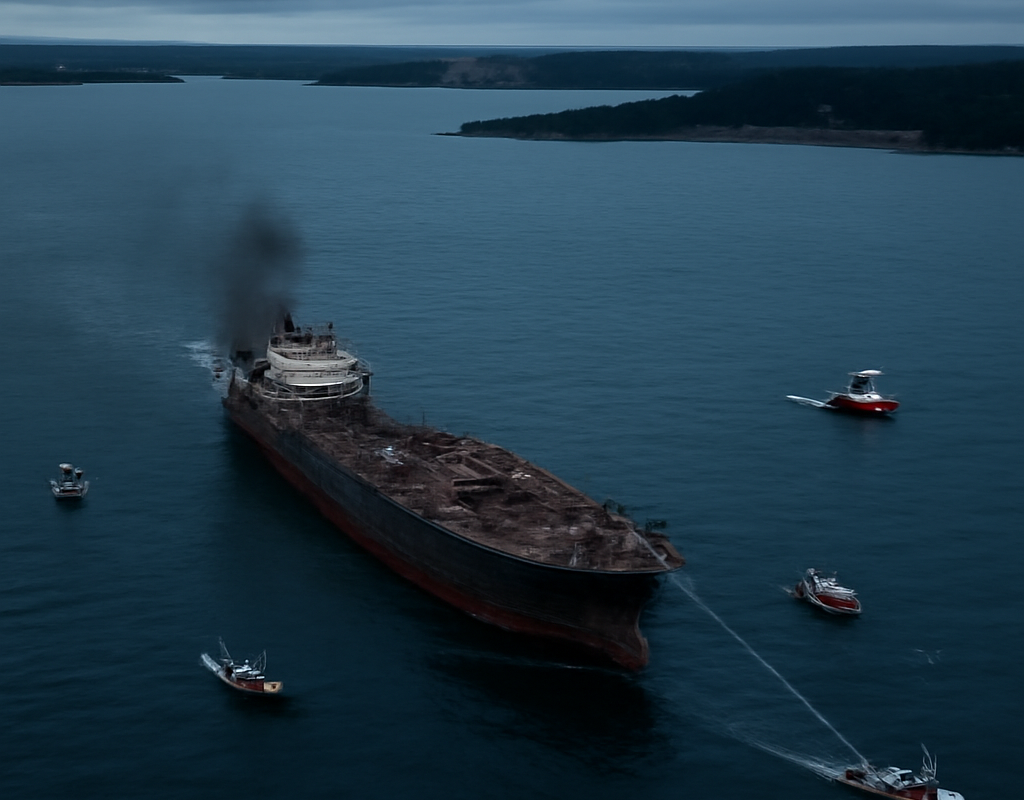
Finland says Russia has begun towing the damaged Sparta II cargo ship away from Finnish waters after a suspected drone attack in the Gulf of Finland. The incident, which left the vessel on fire and unable to manoeuvre, has intensified concern over security risks in the Baltic Sea.
What happened to the Sparta II?
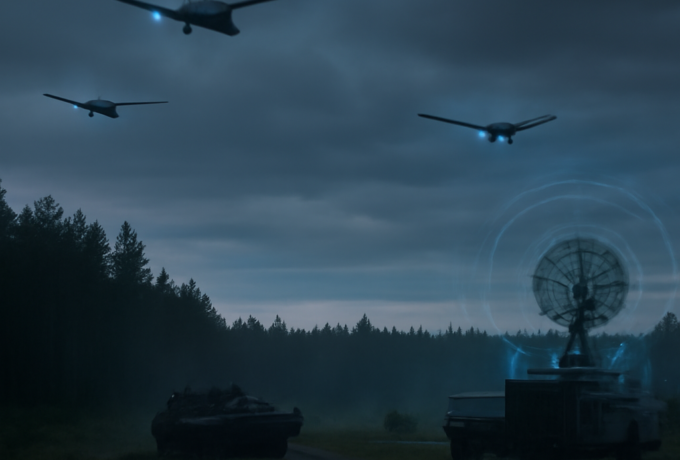
The Russian-flagged ship was reportedly struck by two drones on 21 November while sailing west of Gogland Island, in the eastern Gulf of Finland. The impact triggered a fire and disabled the vessel, which subsequently drifted into Finnish territorial waters.
All 16 crew members were evacuated. One crew member was reported to have suffered minor injuries. Finnish and Russian rescue teams, with maritime authorities from Estonia also involved in the emergency response, worked to contain the fire and manage the vessel’s movement.
By 22 November, Russian rescue vessels had started towing the ship out of Finnish waters. The immediate danger appeared to have been brought under control, although the incident remains significant for Baltic maritime security.
Why the ship matters in the latest EU news
The Sparta II is a 121-metre cargo vessel operated by Oboronlogistika, a Russian logistics company linked to the country’s Ministry of Defence. The company supports Russian state operations, meaning the ship is viewed as part of a wider military-linked supply network rather than ordinary commercial shipping.
At the time of the reported attack, the vessel was travelling from St Petersburg to Kaliningrad. Russia’s heavily militarised exclave lies between NATO members Poland and Lithuania, and maritime routes are important to its connection with mainland Russia.
Finnish authorities said they could not rule out the possibility that the ship was carrying military equipment. However, the cargo had not been publicly confirmed in the available reporting. The vessel is also subject to US sanctions connected to Russia’s military and logistics activities.
A sensitive location in the Baltic Sea
The Gulf of Finland is bordered by Finland, Estonia and Russia. It is a busy maritime area close to NATO territory, making any attack, fire or loss of control involving a military-linked Russian vessel particularly sensitive.
The event adds to wider European security concerns involving shipping, undersea infrastructure and possible spillover from the Russia-Ukraine war. It also places added pressure on regional authorities to coordinate quickly when damaged vessels move across national waters.
Who was responsible for the drone attack?
Finnish military officials reportedly assessed that Ukraine was likely responsible for the strike. Ukraine had not publicly accepted responsibility in the reporting available at the time, however, and the attacker’s identity had not been independently established.
Several key details therefore remain unresolved:
- Who launched the drones;
- Whether the ship was carrying military equipment;
- What the intended target or operational objective was; and
- How the vessel entered Finnish territorial waters after losing propulsion.
If Ukrainian involvement is later confirmed, the incident could mark a notable expansion of the maritime dimension of the Russia-Ukraine war. It would also raise questions about the risks to Russian logistical routes serving Kaliningrad and about how closely future incidents could occur to NATO waters.
What the incident means for European security
The towing operation has reduced the immediate risk of the disabled ship remaining in Finnish waters, but it does not remove the wider concerns. The episode highlights the vulnerability of commercial-looking vessels connected to military logistics and the difficulty of separating wartime activity from civilian maritime traffic.
For Finland and Estonia, the response also demonstrates the importance of cross-border cooperation in the Baltic Sea. Firefighting, evacuation and towing operations can quickly become international matters when a vessel drifts across territorial boundaries.
The incident is likely to be followed closely by European governments and NATO members as they assess whether it was an isolated attack or part of a broader pattern affecting Russian shipping. Further information about the ship’s cargo, the damage and the circumstances of the strike will be important in determining the seriousness of the escalation.
Key takeaway from this Europe news today
Russia is towing the damaged Sparta II away from Finnish waters after a suspected drone attack in the Gulf of Finland. While the crew was evacuated and the fire was contained, responsibility for the strike and the ship’s cargo remain unconfirmed. The incident underlines the growing security sensitivity of Baltic Sea shipping routes and the risks posed by military-linked vessels operating close to NATO territory.