Dublin City Council is increasing the cost of residents’ parking permits by 30 per cent from January 2027, ending a fee freeze that has lasted more than 15 years. The annual permit will rise from €50 to €65, while a two-year permit will increase from €80 to €105.
The change is part of a new Dublin City Council policy under which permit charges will automatically be adjusted in future years in line with the Consumer Price Index (CPI), the standard measure used to track inflation.
Dublin residents’ parking permits: what is changing?
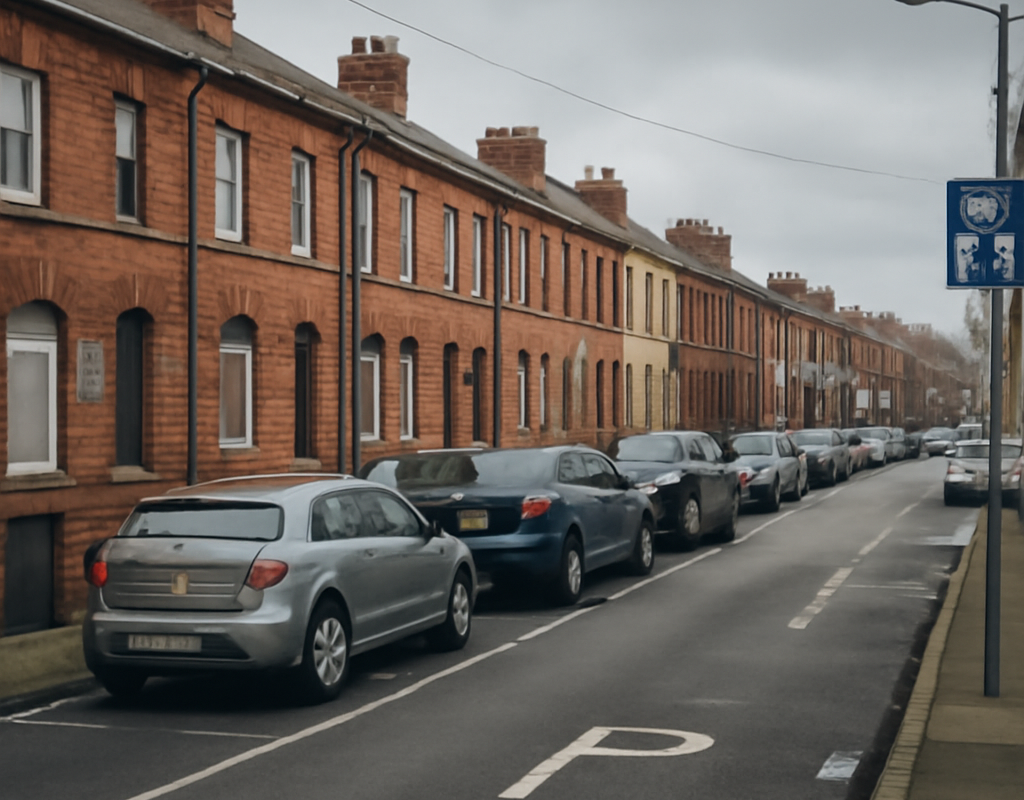
Residents living on streets with pay-and-display parking can apply for permits allowing them to park on the public road near their homes. These streets are often areas where properties do not have private driveways.
From January, the permit prices will be:
- One-year permit: €65, up from €50
- Two-year permit: €105, up from €80
The council’s revised approach follows an earlier proposal to raise annual charges as high as €225 in the most expensive parking zone and €70 in the cheapest. Councillors rejected that proposal after deciding the increase would be disproportionate.
The new rates are lower than those initially suggested, but they represent the first increase in the residents’ permit charge since 2011.
Future fees will track inflation
Dublin City Council said the charges will increase or decrease automatically in subsequent years according to the CPI. That means the price of a permit will no longer remain fixed for long periods, although the exact annual change will depend on inflation figures.
The council said residents’ permit fees had not kept pace with inflation or other parking charges. Over the same period, hourly meter rates for non-residents parking on the affected streets increased by 30 per cent.
On-street parking charges will also increase
Hourly charges for visitors and other non-residents will rise across Dublin’s parking zones from January. The highest-demand yellow zone, which includes the city centre and areas around the Mater Hospital and Clyde Road in Ballsbridge, will increase from €4 to €4.20 per hour.
The revised hourly rates are:
- Yellow zone: €4.20, up from €4
- Red zone: €3.70, up from €3.50
- Green zone: €2.10, up from €2
- Orange zone: €1.30, up from €1.20
The red zone covers locations including Ranelagh, Rathmines, parts of Ballsbridge, Stoneybatter and sections of the north-east inner city. The green and orange zones cover surrounding and more peripheral areas.
Dublin City Council said that, in the yellow zone, parking for 12 hours costs roughly the same as a resident permit for an entire year. The comparison was included in the council’s explanation for changing the long-standing permit fees.
Councillors to receive details of the new charges
Councillors will be briefed on the new parking charges at a meeting next Tuesday. The meeting will also consider plans connected with road safety and speed limits across the capital.
The council is beginning a public consultation on extending the 30km/h speed limit to almost all roads in Dublin city. At present, the limit applies to just over 90 per cent of roads. If new bylaws are approved, that figure would rise to just over 94 per cent.
A new 20km/h limit is also proposed for the city-centre streets with the highest pedestrian footfall. Together, the measures would mean that almost 97 per cent of roads had speed limits below 30km/h.
The proportion of roads with speed limits of 50km/h to 60km/h would fall from 9.9 per cent to 3.2 per cent under the proposals.
Road safety figures behind speed-limit plans
The council’s speed-limit proposals come as Dublin records continued concern about serious road injuries. Six people were killed on the city’s roads between January and October this year: three pedestrians, two cyclists and one e-scooter user.
The number of serious injuries rose from 203 in 2017 to 321 in 2025, an increase of approximately 58 per cent. The figures are being considered alongside the proposed expansion of lower speed limits.
The parking permit decision and speed-limit consultation are separate measures, but both form part of wider changes to how Dublin’s streets are managed. For residents, the immediate practical issue will be the higher permit cost from January, followed by annual adjustments linked to inflation.
What Dublin permit holders need to know
Residents who currently rely on a city parking permit should allow for the new rates when planning household costs for 2027. The key points are:
- The new prices begin in January.
- The annual permit will cost €65.
- The two-year permit will cost €105.
- Future changes will be tied to the CPI.
- Hourly pay-and-display charges will also rise across all four parking zones.
Further details are due to be presented to Dublin city councillors at next Tuesday’s meeting, while the proposed speed-limit extensions will proceed to public consultation.
Conclusion
The increase in Dublin residents’ parking permits will bring an end to the €50 annual fee, with the new €65 charge taking effect in January 2027. Although the rise is below the much higher increase initially considered, permit holders should also expect future prices to move with inflation as Dublin City Council introduces its new automatic CPI-linked policy.