Ukraine is testing a new way to rescue wounded soldiers from the front line: autonomous flying evacuation drones. The aircraft are being developed for the dangerous “kill zone” where Russian and Ukrainian drones make conventional medical evacuations increasingly difficult.
The technology remains at an early stage, but one Ukrainian soldier has already been carried to safety in a mission lasting around 15 minutes. The operation highlights how rapidly drone warfare is changing battlefield logistics and emergency medical care.
Ukraine’s flying evacuation drone mission
The soldier, identified only by his first name, Yevgen, had been trapped near the front for two days after a mine blast tore off his foot. A fellow soldier eventually told him that help would arrive by air.
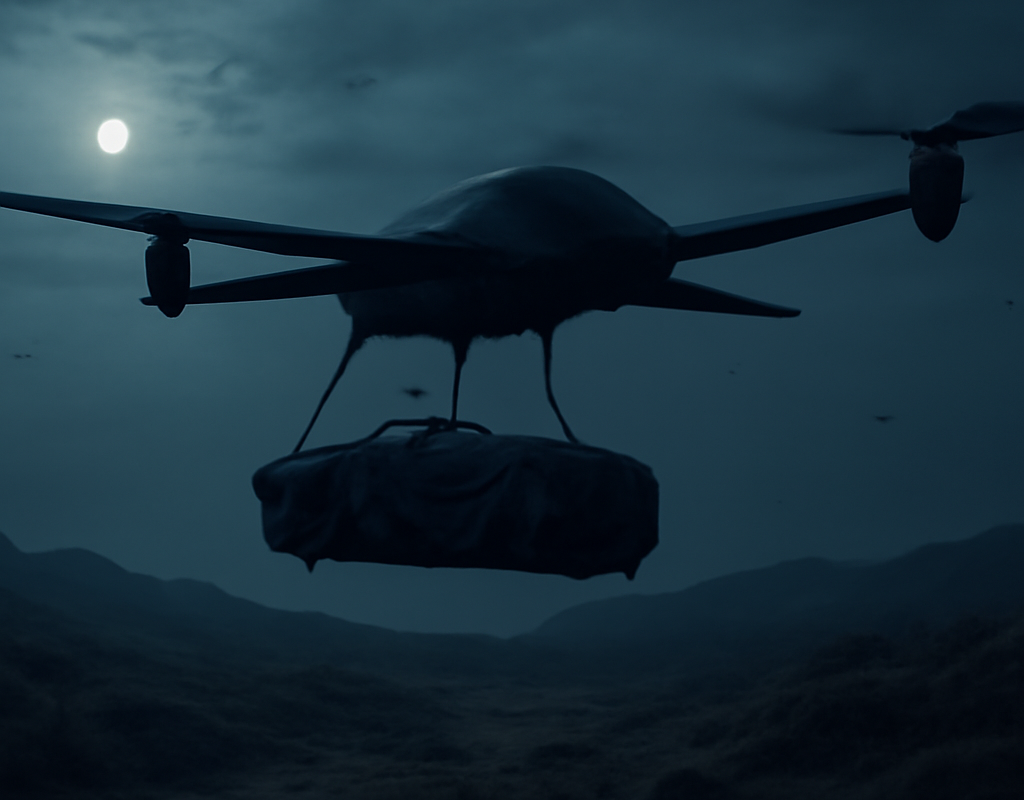
Yevgen initially believed the message was intended to encourage him. Instead, he was placed inside a covered flying stretcher attached to a Stargate drone, built by Ukrainian manufacturer Skyfall. The aircraft lifted him from the battlefield at night while other drones operated nearby.
Security concerns mean that Yevgen’s surname has not been disclosed. He is now recovering in hospital and has been encouraging other soldiers who are nervous about being transported by an unmanned aircraft.
How the Stargate drone works
Stargate was developed after Ukraine’s CODE 9.2 assault brigade asked for a faster method of evacuating casualties from exposed positions. Skyfall’s design was driven by an operational need rather than a major technological breakthrough.
The drone has been designed to overcome several problems faced by ground evacuation vehicles. According to the information provided about the aircraft, it can:
- Travel at up to 105 kilometres per hour;
- Carry a load of up to 150 kilograms;
- Operate over a range of 30 kilometres;
- Transport a wounded person in a protected pod; and
- Complete an evacuation much faster than a ground drone.
Each Stargate costs approximately €45,000. Skyfall says it wants to produce 1,000 units per month by the end of 2026, although the Ukrainian military is still assessing the system and has described it as promising rather than fully proven.
Why aerial evacuation is needed in Ukraine
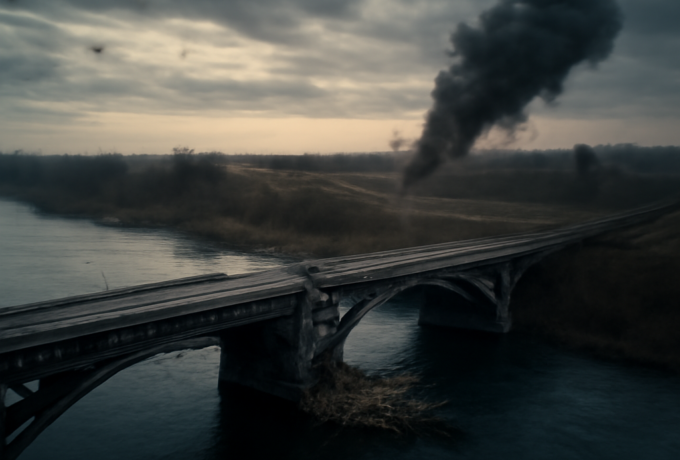
Ukraine’s war has created a heavily monitored strip of territory between opposing positions. Movement in this area can attract surveillance drones, attack drones and artillery fire, making it difficult for medics or vehicles to reach casualties safely.
Ground drones have already been used to retrieve wounded soldiers, but they are considerably slower. They can travel at about 10 kilometres per hour and may struggle with rivers, minefields and other obstacles. A mission can also take several hours, leaving both the casualty and rescue team exposed.
A flying evacuation drone cannot remove every risk. It may still be detected, jammed or attacked. However, its speed and ability to cross difficult terrain could give medical teams another option when roads and paths are too dangerous.
Electronic jamming tested the system
The first attempt to retrieve Yevgen was suspended after Russian attack drones were detected. A second attempt was also abandoned. The third mission proceeded, with the drone climbing to roughly 100 metres.
During the flight, Russian electronic jamming briefly interrupted the pilot’s connection. The aircraft hovered while its onboard artificial intelligence took control, before the link was restored. The episode demonstrated both the potential and the limitations of autonomous systems in a contested airspace.
The pilot, known by the call sign KVN, described the moment as unusually tense because the drone was carrying a person rather than supplies or explosives. A Ukrainian team monitored the operation throughout the evacuation.
A cautious step towards technology-led battlefield medicine
Skyfall has used Stargate in three missions, making the programme too new for firm conclusions about reliability, safety or its wider military value. Ukrainian officers are therefore treating the aircraft cautiously and say more field experience is needed.
The development nevertheless reflects a broader shift in the Russia-Ukraine war. Drones are no longer used only for reconnaissance, targeting or attacks. They are also being adapted for transport, resupply and casualty evacuation.
For soldiers caught in the kill zone, the most important measure will be whether these aircraft can reach them quickly and return without exposing additional personnel. Their future role will depend on factors including payload, battery or fuel endurance, weather, electronic warfare and the ability to operate under sustained attack.
What the drone evacuation means for the war in Ukraine
Ukraine’s flying evacuation drones are not a replacement for medics, helicopters or protected ground vehicles. They are an additional tool for situations in which traditional evacuation methods are too slow or dangerous.
The successful rescue of Yevgen offers an early demonstration of that role. If Skyfall can scale production and improve resilience against jamming, aircraft such as Stargate could become an important part of Ukraine’s battlefield medical system. For now, the project remains an experimental but significant example of how the war is pushing military technology into new territory.
The key takeaway: Ukraine is using flying evacuation drones to address one of the most dangerous problems in the war—reaching wounded soldiers trapped under constant drone surveillance. Stargate’s first missions suggest real potential, but its effectiveness will need to be tested across many more operations.