A compromise plan for the regeneration of Dublin’s long-neglected Oliver Bond flats has been revealed, with Dublin City Council preparing to submit the first planning application for new apartments later this month.
The proposal follows months of discussions between the council and the Department of Housing. It is understood to broadly resemble an earlier scheme that was withdrawn after a disagreement over the number of apartments planned for the site.
What the Oliver Bond flats plan involves
The regeneration project concerns the Oliver Bond House complex in Dublin’s southwest inner city. The existing flats have been described as dilapidated, and the redevelopment is intended to replace or renew the accommodation through a phased construction programme.
The first planning application is expected to focus on the opening phase of the wider scheme. Details available from the announcement do not set out the final apartment numbers, building heights, costs or delivery timetable, but the revised plan represents an attempt to resolve the dispute that halted the previous proposal.
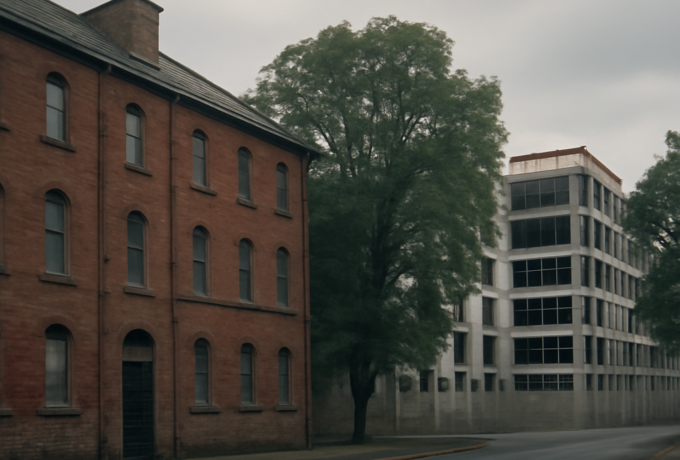
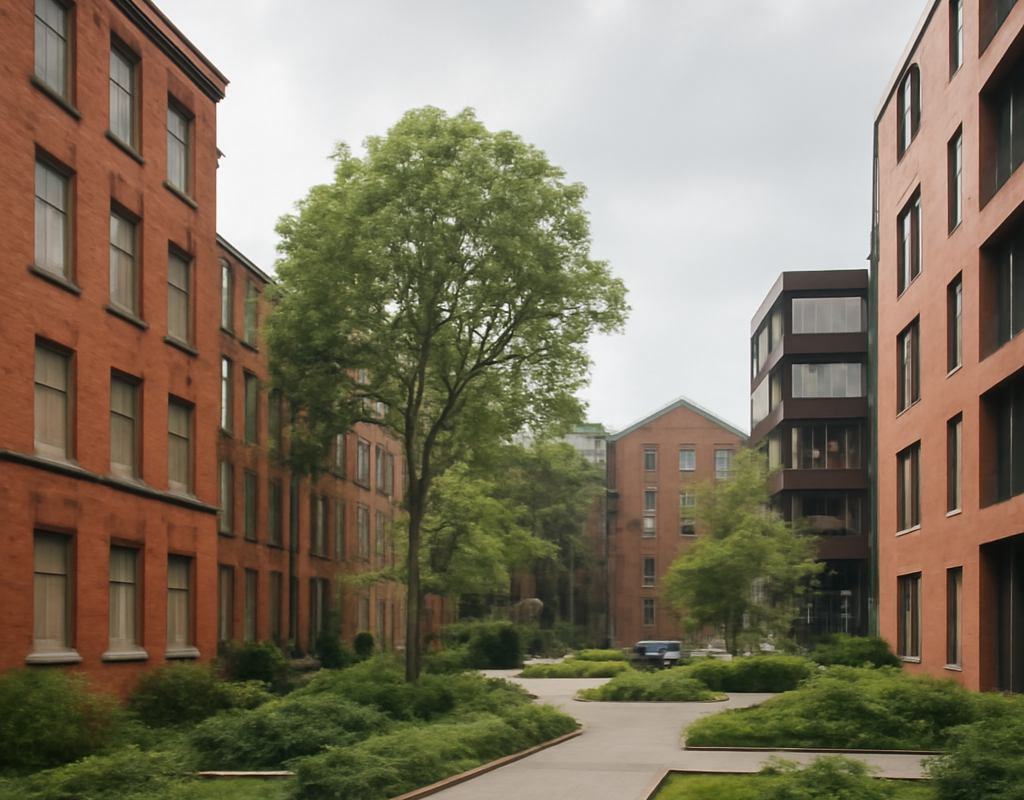
An artist’s impression released with the announcement shows the intended future appearance of Oliver Bond House. However, the image is illustrative; the scheme will still need to pass through the formal planning process before construction can proceed.
Why apartment numbers became a point of disagreement
The earlier regeneration proposal was withdrawn by the Department of Housing this year following a dispute over how many apartments should be included. The compromise version has been developed through negotiations designed to find an acceptable balance between the council’s plans for the site and the department’s position.
Apartment numbers can affect several aspects of a major inner-city housing project, including the scale of buildings, the amount of open space, access arrangements and the capacity of surrounding infrastructure. Those issues will be examined as part of the planning application.
A phased approach to redevelopment
Submitting an initial application allows the regeneration to move forward in stages rather than waiting for every element of the wider project to be resolved at once. It may also give residents, local representatives and other interested parties a formal opportunity to review the detailed plans and make submissions through the planning system.
The announcement does not confirm when building work would begin or when residents could move into new homes. Those milestones would depend on planning approval, detailed design, funding and the subsequent construction process.
What happens next
The immediate next step is the submission of the first planning application by Dublin City Council. Once lodged, the application should provide more information about the proposed buildings, housing mix, public spaces, access routes and construction phases.
The planning process will be important for residents of Oliver Bond and the surrounding community. It should clarify how the redevelopment will affect existing homes and how disruption during construction would be managed. The available announcement does not yet provide details on temporary accommodation or relocation arrangements.
- Planning application: Dublin City Council is expected to submit the first application this month.
- Project status: The scheme remains subject to the planning process.
- Background: The revised proposal follows a dispute over apartment numbers in an earlier plan.
- Further details: The application should set out the design, scale and phasing of the first stage.
Why the project matters for Dublin
Oliver Bond is located in Dublin’s inner city, where the condition and future use of public housing complexes are closely linked to wider questions about housing supply, maintenance and urban regeneration. A successful redevelopment could provide modern homes while reshaping an established residential site.
At the same time, large regeneration schemes require careful engagement with the people who already live in the area. The planning application will therefore be a significant test of whether the compromise can address concerns about housing numbers, design and the practical impact of construction.
Key takeaway
The Oliver Bond flats regeneration has moved back towards the planning stage after Dublin City Council and the Department of Housing reached a compromise on the shape of the first phase. The next major development in this Dublin News story will be the publication of the planning application, which should reveal the project’s precise scale and timetable.