Residents say a proposed housing development on the former Donnybrook Magdalene laundry site in Dublin 4 should not proceed because of its history and the potential impact on survivors. Dublin City Council granted planning permission for the project in October, but opposition remains focused on whether residential construction is appropriate at a site associated with the Magdalene institutions.
What the approved housing plan involves
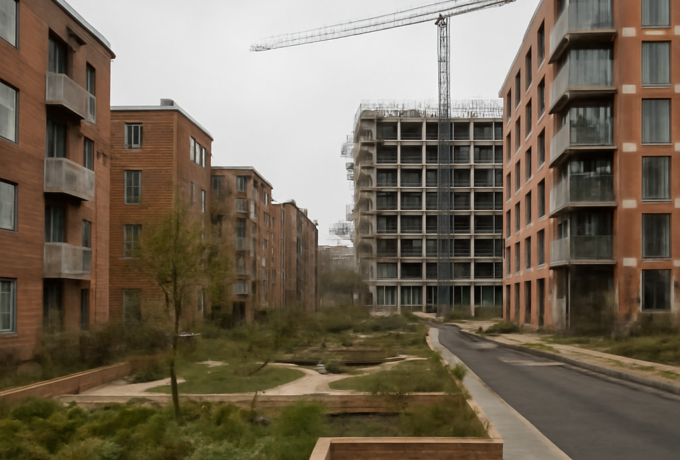
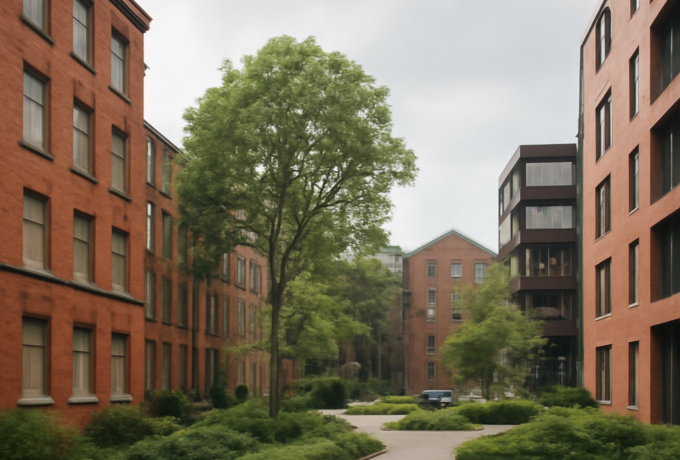
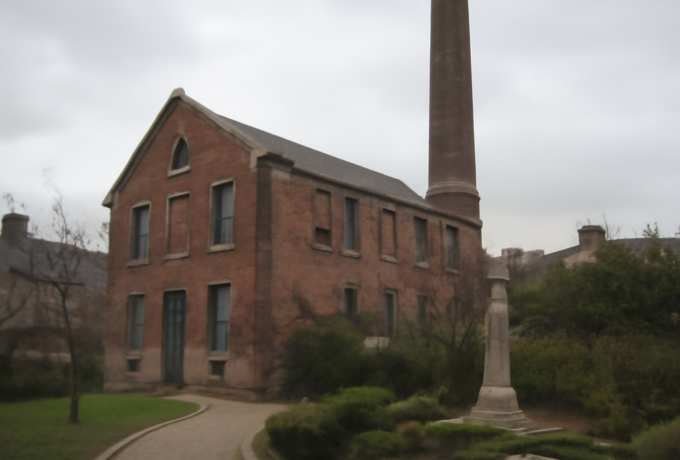
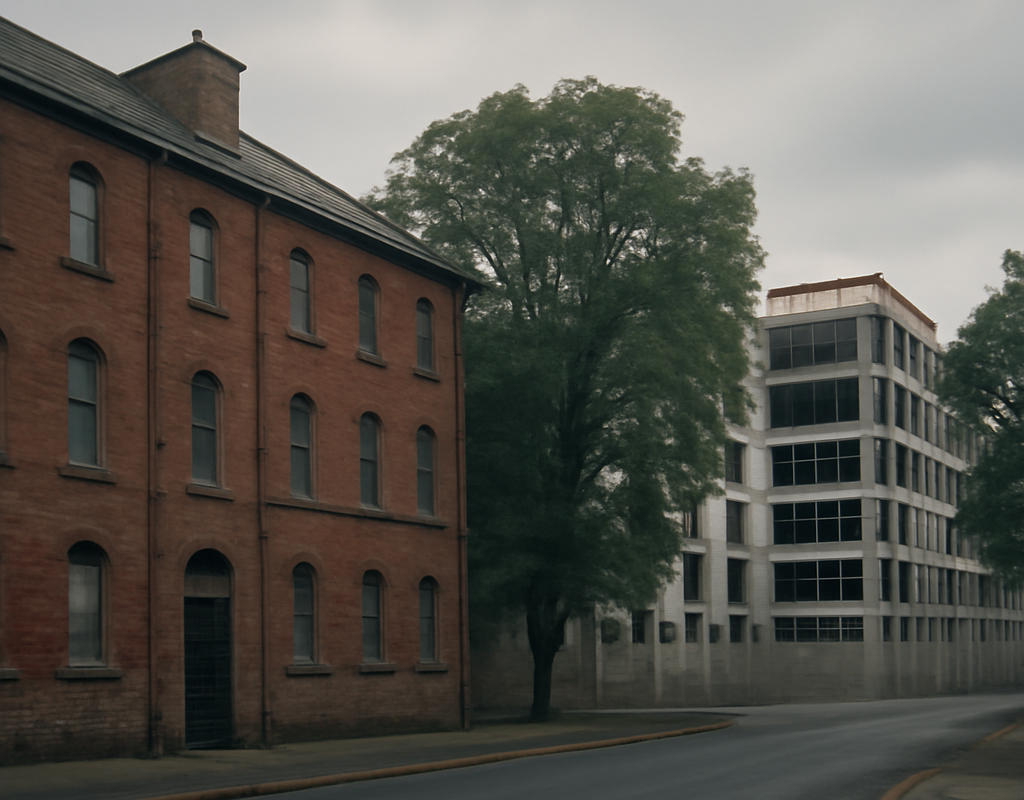
Pembroke Partnership Ltd, the developer behind the proposal, received permission to build three apartment blocks of up to six storeys on the Donnybrook site. The plans also provide for the partial demolition and refurbishment of the existing laundry building.
Additional duplexes and town houses are included in the approved scheme. The development would therefore combine new apartment construction with changes to the surviving former laundry structure.
While planning permission has been granted, residents’ objections show that approval does not end the wider dispute over the site’s future. Their concern is not limited to the scale or design of the buildings; it also relates to the site’s role in Ireland’s history and how redevelopment could affect people who lived or worked there.
Why residents say the development is unacceptable
Nearby residents have argued that the project should not go ahead because of what they describe as the “optics and impact on survivors”. The objection places the experiences of former residents at the centre of the debate and raises questions about how the location should be remembered.
Former Magdalene laundry sites carry particular significance because women and girls were confined or employed in institutions run by religious orders and other organisations. The Donnybrook site is among the locations connected with that history.
The Justice for Magdalene Research group believes that up to 315 women and girls died at the Donnybrook laundry. That figure is presented as an estimate by the group, rather than a confirmed total stated in the planning decision. It underlines why the proposed redevelopment has become a sensitive issue beyond ordinary Dublin planning discussions.
A site with continuing significance
For survivors and their supporters, the buildings and grounds are linked to personal experiences, institutional control and loss. Any proposal to alter the site can therefore be viewed through both a planning lens and a memorial or heritage lens.
Residents’ comments suggest that the central issue is whether the approved housing scheme gives sufficient weight to that significance. They have questioned whether construction should take place in a form that could change the character of the location before the concerns of survivors have been fully addressed.
Planning permission and the next stage
Dublin City Council granted permission in October for the apartment blocks and the alterations to the existing laundry building. The available report does not indicate that the permission has been withdrawn or that construction has begun.
The dispute now centres on the response to the permission and the treatment of the former laundry site. Planning approval establishes that the project has been assessed through the council’s planning process, but it does not resolve the separate questions of commemoration, survivor involvement or public interpretation.
Those issues may remain important as the developer considers how to proceed and as residents continue to express their opposition. The debate also reflects a wider challenge in Ireland: deciding how places associated with institutional abuse and historical trauma should be preserved, adapted or redeveloped.
Why the Donnybrook decision matters
The Donnybrook proposal brings together several competing public interests:
- Housing supply: the permission would add apartments, duplexes and town houses in Dublin.
- Survivor impact: residents say the consequences for survivors must be considered before redevelopment proceeds.
- Historical memory: the former laundry is connected with a painful chapter in Ireland’s social history.
- Conservation and change: part of the existing laundry building would be refurbished while other sections would be demolished.
These considerations help explain why the proposal has attracted opposition despite having secured planning permission. The question is not simply how many homes could be built, but how development should take place at a location with documented and disputed historical significance.
The wider Ireland News context
This case is part of an ongoing national conversation about former Magdalene laundries, institutional accountability and the treatment of survivors. It also illustrates the tensions that can arise when Dublin’s housing needs intersect with sites connected to difficult history.
For readers following Ireland Headlines and Dublin News, the key facts are that planning permission was granted in October, the scheme includes buildings of up to six storeys, and nearby residents are calling for it not to proceed because of the site’s meaning and its possible impact on survivors.
Key takeaway
The former Donnybrook Magdalene laundry site has permission for a substantial housing development, but residents say that approval does not settle the matter. Their opposition focuses on the legacy of the institution and the need to consider survivors before the site is transformed. The next stage will determine how the approved plans are handled alongside those historical and human concerns.