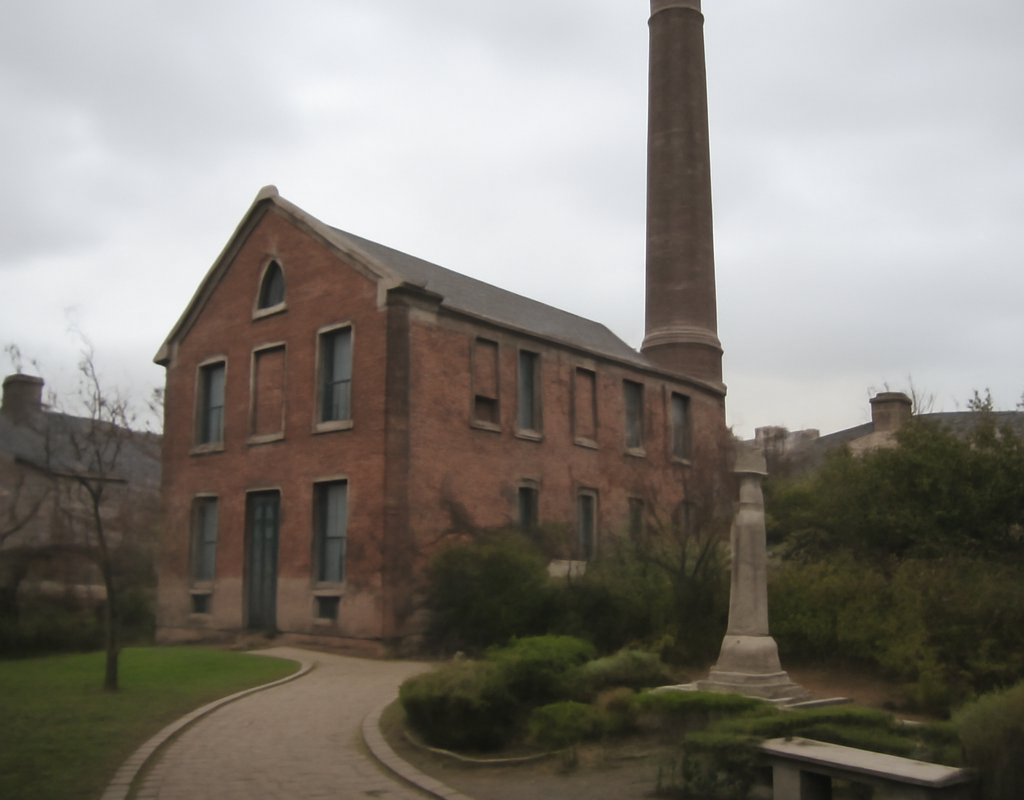
Residents have objected to plans for housing on the former Magdalene laundry site in Donnybrook, Dublin 4, saying the proposal fails to respect the location’s history and could affect survivors of abuse. The development has already received permission from Dublin City Council, but objections have been submitted to An Coimisiún Pleanála.
Residents challenge Donnybrook housing development
Pembroke Partnership Ltd was granted planning permission in October for a residential scheme on the former laundry site. The proposal includes three apartment blocks of up to six storeys, along with partial demolition and refurbishment of the existing laundry building.
The plans provide for 34 homes, including apartments, duplexes and town houses. They also include:
- Car and bicycle parking spaces
- Electric vehicle charging points
- Waste-storage facilities
- A public information sign linked to the site’s history
The project is the latest attempt to redevelop the property. A 25-home application submitted in 2017 was later withdrawn, while Dublin City Council approved 44 apartments in 2020. That earlier scheme was never built.
Why residents say the proposal is inappropriate
Five local objectors, who live on the same road as the former laundry, told An Coimisiún Pleanála that the site should not be partly demolished and replaced with what they described as an insensitive housing development.
The residents argue that the location has exceptional social, cultural and historical importance. They say any future use should acknowledge the experiences of the women and girls who lived and worked there, rather than treating the property as an ordinary development site.
The objections also raise concerns about the effect of the scheme on survivors of the Magdalene laundries. The residents say Dublin City Council should consider the “optics and impact” of allowing construction at a place associated with abuse, neglect and unpaid labour.
Separately, they describe the proposal as overdevelopment in Donnybrook, arguing that the area has experienced piecemeal construction without sufficient supporting infrastructure or coherent urban planning.
The site’s Magdalene laundry history
The Donnybrook institution operated from 1883 until 1992. The Government’s 2013 McAleese report recorded that its population varied between approximately 100 and 120 women and girls for much of its operating period.
The Justice for Magdalene Research group believes that as many as 315 women and girls died at the site. Many of those who worked in the church-run institution did so without pay, according to the source material.
That history has made the future of the property particularly sensitive. Residents say the site’s significance requires a respectful planning approach that protects its integrity and recognises the harm experienced by former residents.
What the plans say about a memorial
The approved application includes an information sign at the base of the site’s chimney. The 90-metre chimney was designated a protected structure by Dublin City Council in 2012.
Drawings submitted with the application appeared to show the proposed memorial partly positioned behind a bin at the centre of the development. Planning advisers working for the developer later clarified that the tribute would be publicly accessible to people who are not residents of the scheme.
For objectors, the placement and design of the memorial form part of the wider concern about whether the development adequately reflects the site’s history. They maintain that preserving the location’s integrity should be central to any decision on its future.
Planning decision and next stage
Dublin City Council’s decision to approve the scheme does not end the planning process. An Coimisiún Pleanála is the State planning authority responsible for deciding appeals involving developments of this kind.
The available information does not establish when the board will issue a decision on the objections. Until that process is complete, construction cannot be treated as a completed or settled outcome.
The case brings together two competing planning considerations: the need for additional homes in Dublin and the responsibility to protect places connected with institutional abuse. The residents’ submissions argue that the historical importance of the Donnybrook site requires more than the standard mitigation measures associated with a residential project.
Why the Donnybrook decision matters
The proposal is being considered against the background of strong housing demand, but residents say the need for homes should not override the character and memory of a former Magdalene laundry. Their position is that an alternative use should be explored—one that could preserve the site while making its history accessible in a respectful way.
The planning appeal will therefore determine more than the number and height of new homes. It will also test how Ireland’s planning system approaches redevelopment on sites associated with institutional abuse, protected structures and the experiences of survivors.
Key takeaway
The proposed Donnybrook housing scheme has Dublin City Council approval, but local residents are opposing it before An Coimisiún Pleanála. Their central argument is that the former Magdalene laundry site should be treated as a place of historical significance, with the impact on survivors and the preservation of its integrity given greater weight in any final decision.