Six additional children may have died at the former mother and baby home in Tuam, Co Galway, without official death certificates, according to records examined by the Office of the Director of Authorised Intervention, Tuam (Odait).
The finding brings the number of children believed to have died at the institution to 802. The development is among the most significant Ireland Headlines today as forensic teams continue work to recover and identify remains at the former site.
Tuam records identify six more children
On Tuesday, Odait published a list naming 802 children believed to have died at the home, which was operated by the Bon Secours religious order between 1925 and 1961.
Local historian Catherine Corless had previously identified 796 deaths through official death certificates. However, the absence of burial records raised concerns that some children may have been buried at the Tuam site without their remains being formally recorded.
Odait director Daniel MacSweeney said records from the institution included admission and discharge documents, as well as maternity and baptismal records. Those documents confirmed the 796 names identified through death certificates and pointed to six further children who may have died at Tuam.
MacSweeney said the records demonstrated that the six “may have died at Tuam” and were therefore likely to have been buried there, despite there being no official death certificate for them.
Forensic excavation remains ongoing
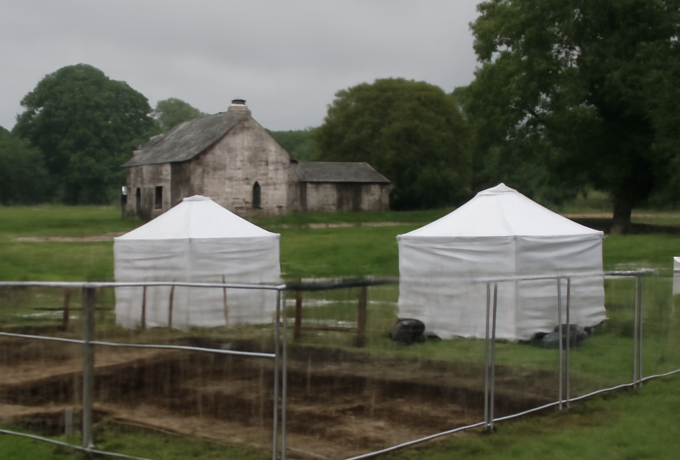
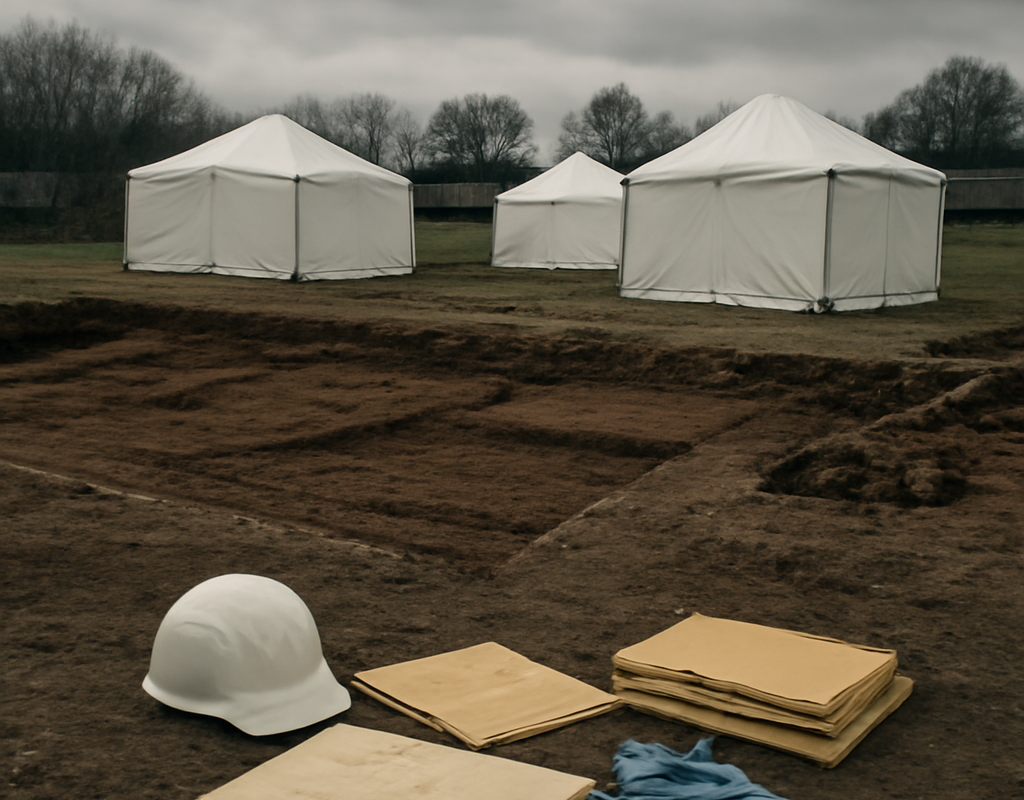
A forensic excavation of the former home began in July 2025. Investigators had initially expected the work to take two years, but Odait now believes it is unlikely to conclude next year.
MacSweeney said it was difficult to predict how long the project would take. He also stressed that the current figure of 802 could change as further records and forensic evidence are assessed.
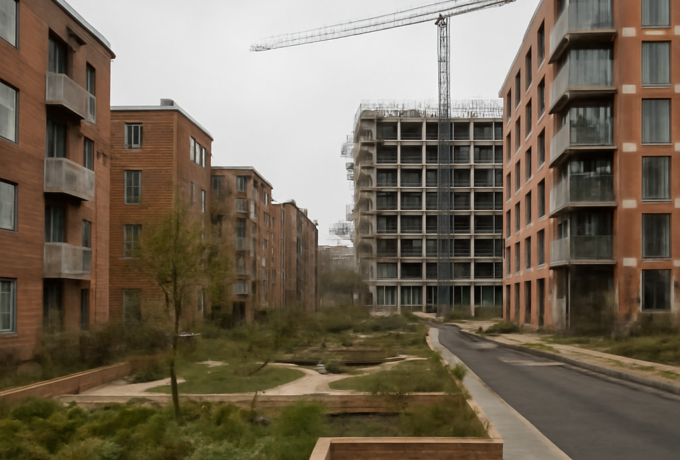
Since the excavation began, 109 sets of remains have been recovered. The work is taking place at a site now surrounded by a housing estate, presenting an unusual and demanding environment for the international team of specialists involved.
DNA samples and identification efforts
Families and members of the public have contacted Odait to help establish the identities of those buried at the site. So far:
- 250 people have made contact about providing DNA samples.
- 74 DNA samples have been taken.
- Investigators do not yet know when the first identification will be confirmed.
MacSweeney said it was very likely that some bodies would remain unidentified when the project ended. He said any unidentified remains would be reburied with respect and dignity.
A long-running search for answers
The Tuam investigation follows years of public concern about the treatment and burial of children who died at mother and baby homes in Ireland. The number of possible deaths at the Tuam institution became widely known after Corless examined historical records and identified hundreds of children who had died there.
The absence of complete burial documentation made it difficult to establish what happened to the children. The current excavation is intended not only to recover remains but, where possible, to establish identities and provide families with clearer answers.
MacSweeney described Tuam as an unusual case because of the age of those being sought, the number of infants involved and the location of the former institution. He said the work was challenging for the professionals involved, particularly because remains were being exhumed over an extended period.
Memorialisation planned after the project
Odait has said there will be a process of memorialisation in collaboration with affected families once the excavation and identification work is complete.
The precise form and timing of that memorialisation have not been outlined. For now, the priority remains the careful recovery of remains, the analysis of evidence and the collection of DNA samples from people who may be related to the children.
The newly identified names underline the limitations of relying on a single category of historical record. Admission, discharge, maternity and baptismal documents have helped investigators build a fuller picture of the children who may have died at the home.
What happens next in the Tuam investigation?
Odait’s work will continue at the former site, with investigators assessing recovered remains alongside archival records and DNA evidence. The final number of children believed to have died there may change if additional documentation or forensic findings emerge.
For families affected by the history of the home, the process is likely to remain both significant and difficult. The stated aim of the project is to restore dignity in death and, where possible, give each child an identity.
The Tuam investigation remains a major story in Breaking News Ireland, but the work is progressing slowly and cannot yet provide all the answers families are seeking. The clearest takeaway is that six further children may have been missing from official death records, bringing the number of potential victims to 802 while excavation and identification efforts continue.