Six additional children believed to have died at the former Tuam mother and baby home in County Galway did not have death certificates, according to information published by the Office of the Director of Authorised Intervention, Tuam (Odait).
The disclosure forms part of a newly published list naming 802 children believed to have died at the institution, which was run by the Bon Secours religious order between 1925 and 1961. The development is the latest update in one of Ireland’s most significant historical investigations into the treatment and burial of children in mother and baby homes.
What the new Tuam records show
Odait published the list on Tuesday, setting out the names of 802 children believed to have died at the former institution. Among those identified, six children may have died without death certificates being recorded.
Death certificates are important official records because they document a person’s death and can help families and authorities establish basic details about what happened. The absence of certificates adds to the uncertainty surrounding the children associated with the Tuam home.
The published information does not, by itself, establish how each child died or where every child was buried. It does, however, provide further documented detail for the ongoing work at the former site and for relatives seeking clarity about family histories.
Why the Tuam mother and baby home investigation matters
The institution in Tuam operated from 1925 until 1961 under the management of the Bon Secours religious order. It housed mothers and children during a period when unmarried pregnant women and their babies were frequently placed in institutions run by religious organisations.
The site has remained the subject of intense public attention because of concerns about the deaths and burials of children there. For families, the issue is not only historical: records, identification and burial information can be essential to understanding what happened to relatives who died in institutional care.
The latest list provides a consolidated record of 802 children believed to have died at the home. The identification of six children without death certificates highlights the gaps that can remain in archival records, particularly where documentation was incomplete or inconsistently maintained.
What remains unclear
The available information does not provide a full explanation for why the six children had no death certificates. It also does not state that all 802 children were buried in the same location, nor does it establish the circumstances of each death.
Those distinctions are important. The list is evidence of children believed to have died at the institution, while the absence of a certificate points to a missing or unrecorded element in the official documentation. Further findings from authorised intervention and forensic work will be needed to clarify individual cases and the site’s history.
Forensic work continues at the former site
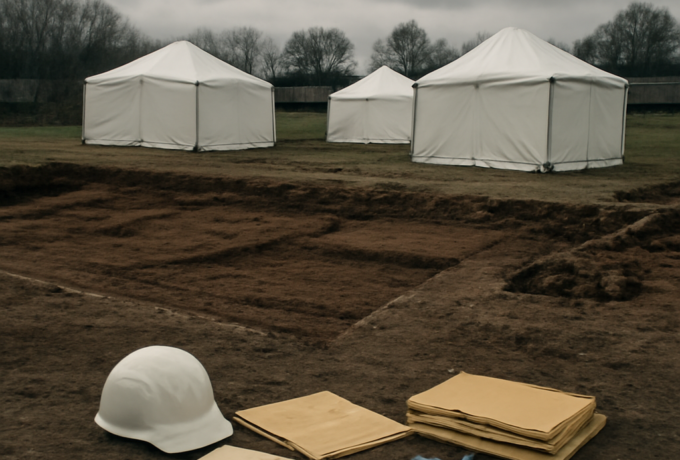
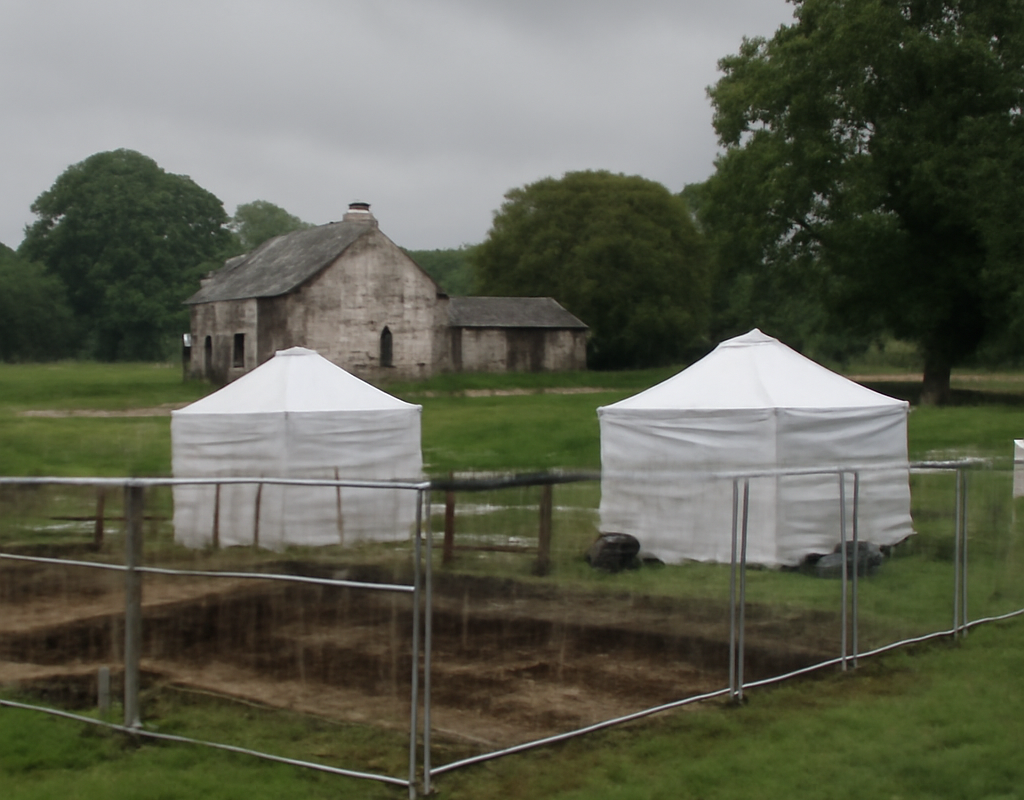
Forensic officers have been working at the former mother and baby home site in Tuam. Their work is part of the wider effort to establish what happened at the location and to examine evidence connected with the children believed to have died there.
Forensic investigations of historic sites can involve the careful examination of ground conditions, remains and associated records. The process can be complex, particularly when many decades have passed and original documentation is incomplete.
The publication of the 802-name list gives the investigation a clearer documented framework. It may also help families compare official records with information held in personal papers, parish documents and family accounts.
What the new information means for families
For relatives of children associated with the Tuam home, the new information may help explain why searches for death records have produced no result. However, the published list should not be treated as a complete account of every child’s circumstances.
Families reviewing the records may need to consider several sources together, including:
- the Odait list of children believed to have died at the institution;
- civil registration and death records, where they exist;
- religious and institutional records; and
- family documents and testimony.
Any identification or interpretation of individual cases must be handled carefully. Names and records can contain errors, and a missing certificate does not on its own explain the reason for the gap.
A significant update in Ireland’s social affairs history
The Tuam case remains part of Ireland’s broader reckoning with mother and baby homes and other institutions where women and children lived under the authority of religious and State-linked systems. The records continue to raise questions about accountability, documentation and the treatment of vulnerable people.
The latest disclosure is therefore relevant beyond County Galway. It adds six cases involving children who were believed to have died at the home but who did not have death certificates, while confirming the scale of the wider list published by Odait.
As forensic and archival work continues, the central issue remains the same: establishing an accurate record for every child connected with the institution and providing families with the clearest possible answers.
Conclusion
The publication of the 802-name record is a significant development in the Tuam mother and baby home investigation. The finding that six more children believed to have died there had no death certificates underscores the gaps in the historical record and the importance of continuing forensic and documentary work. For families and the wider public, the priority is an accurate, carefully evidenced account of what happened at the former home.