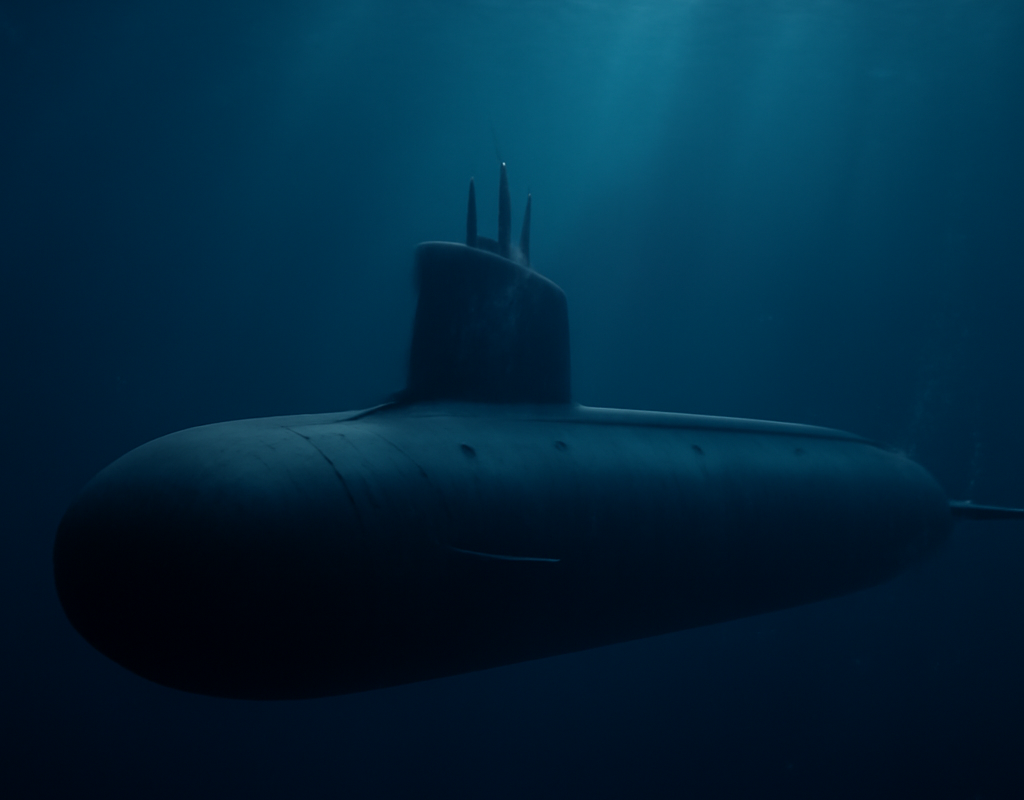
The Royal Navy’s HMS Vengeance has completed a record 217-day underwater patrol, raising fresh concerns about the pressure placed on Britain’s ageing nuclear submarine fleet. The Vanguard-class submarine spent around seven months largely cut off from the outside world before returning to Scotland.
The deployment exceeded the previous record of 205 days, set by HMS Vanguard in April. While the missions demonstrate that the UK can maintain its continuous nuclear deterrent, experts cited in reports have warned that increasingly long patrols may also reflect delays in submarine maintenance and the strain placed on crews.
Why HMS Vengeance’s 217-day patrol matters
HMS Vengeance is one of four Vanguard-class submarines operated by the Royal Navy. Launched in 1998, the vessel is approximately 150 metres long, weighs 17,526 tonnes and was designed to carry Trident ballistic missiles.
Its 16 missile launch tubes form part of the UK’s nuclear deterrence system. Trident missiles can carry multiple independently targetable re-entry vehicles, allowing separate warheads to be directed at different targets.
The submarine is also central to the UK’s policy of continuous at-sea deterrence. Under that strategy, at least one nuclear-armed submarine remains on patrol at all times. The purpose is to preserve the country’s ability to respond to a major attack even if other military infrastructure were destroyed.
Longer patrols expose maintenance pressures
Vanguard-class submarines were originally designed for patrols lasting roughly three months. Early deployments generally lasted three to four months, while 100-day missions were once considered unusual.
The latest record has therefore focused attention on the condition and availability of the wider fleet. When submarines are held up in maintenance, the boats that remain operational may have to spend longer at sea to sustain the deterrent.
The UK government has linked extended deployments to budget constraints that have slowed maintenance work. Keeping an ageing submarine underwater for longer also creates practical challenges, including the need to store additional food and equipment in already cramped spaces.
What does a seven-month deployment involve?
Ballistic missile submarines spend most of their patrols submerged and maintain radio silence to make detection more difficult. Communication with the outside world is consequently highly restricted.
- Crew members may receive one family message each week.
- These messages, known as “Familygrams”, are limited to 120 words.
- Messages are reviewed by naval officials before being passed on.
- Sailors cannot reply while deployed.
Although submarines can use specialist antennas when necessary, routine contact with families remains limited. That means sailors may spend months without learning about important developments at home or being able to respond directly.
Psychological strain and concerns over treatment of women
Experts have described submarine service as one of the most psychologically demanding roles in the Royal Navy. Living for months in a confined metal vessel, operating in darkness and isolation, and carrying responsibility for nuclear weapons can create intense pressure.
Working conditions for women in the submarine fleet have also faced scrutiny. In 2022, Sophie Brook, among the Royal Navy’s first female submarine crew members, said she had experienced persistent sexual bullying. Other women subsequently came forward with similar accounts.
In 2024, then-Royal Navy chief Admiral Sir Ben Key apologised and described misogyny in submarine service as intolerable. Those concerns add to wider questions about recruitment, retention, welfare and leadership within the fleet.
Ageing Vanguard submarines await replacement
The Vanguard-class boats were initially designed for a service life of about 25 years. Delays to the replacement Dreadnought programme mean the existing submarines are expected to operate for around 40 years.
HMS Dreadnought, the first vessel in the new class, is expected to enter service around 2032. Until then, the Royal Navy must balance the demands of continuous deterrence with maintenance requirements and the welfare of crews.
The record set by HMS Vengeance is therefore more than a milestone in UK defence news. It highlights the consequences of relying on an ageing fleet, where prolonged patrols may be needed to keep Britain’s nuclear policy operating while replacement submarines remain under development.
What the record means for European security
The deployment comes amid continued attention to European defence, NATO security and the future of Britain’s strategic forces. The UK’s nuclear deterrent is a national responsibility, but its role is also relevant to the wider European security environment.
For now, the key issue is whether record patrol lengths remain exceptional or become a regular feature of the fleet. HMS Vengeance’s return has brought that question into sharper focus.
Key takeaway: HMS Vengeance’s 217-day patrol confirms the UK’s ability to sustain its nuclear deterrent, but it also underlines concerns about maintenance delays, ageing submarines and the heavy psychological burden carried by their crews.