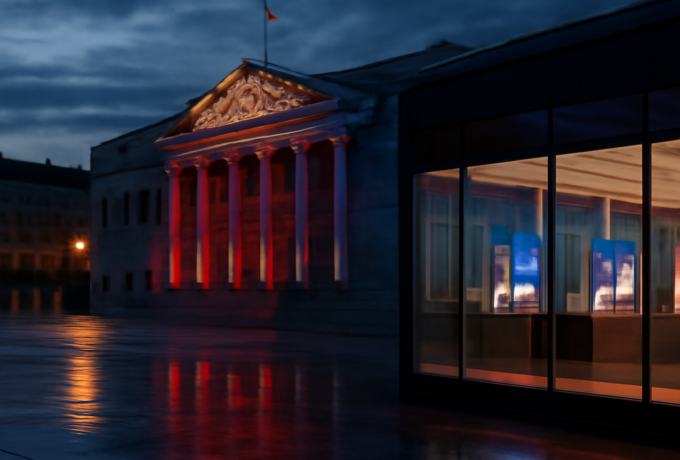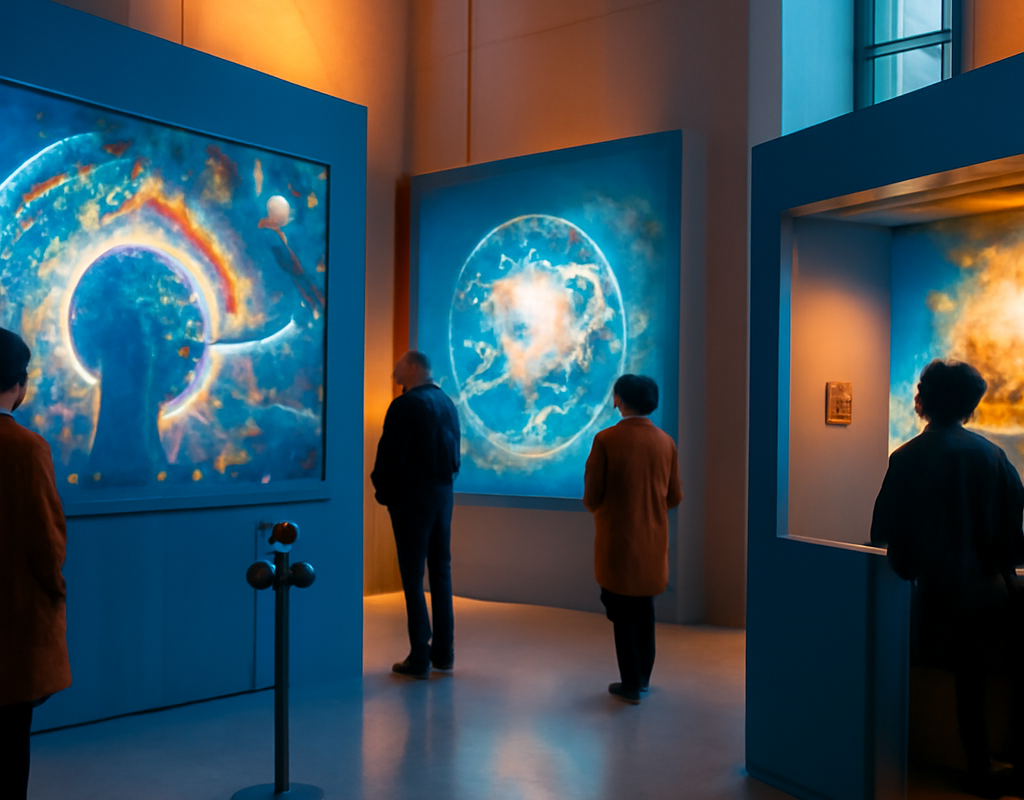
AI memory technology is being used in a new European exhibition to help people reconnect with personal stories and encourage more open conversations about Alzheimer’s disease and dementia. The project, on display at the European Parliament in Brussels this month, turns spoken memories into visual images.
The initiative combines reminiscence therapy with generative artificial intelligence. Its organisers say the technology is not a cure for dementia, but can support people experiencing memory loss and help families preserve meaningful personal narratives.
AI memory project turns personal stories into images
The project, called Synthetic Memories, was created by Barcelona-based creative studio Domestic Data Streamers. Work with people living with dementia began in 2023 in care homes in Spain, involving residents with Alzheimer’s disease and other forms of dementia.
During sessions lasting about an hour, an interviewer and an AI prompter guide participants through memories from their lives. Generative AI models then create visual representations based on the experiences they describe.
The approach builds on reminiscence therapy, which traditionally uses familiar photographs, objects, music and other prompts to encourage people to recall and discuss events from their past. New technologies, including virtual reality and interactive platforms, are increasingly being explored as ways to make these experiences more personal.
How the exhibition works
The project has become part of The Memory Radio Station, a travelling exhibition created in partnership with pharmaceutical company Eli Lilly. The exhibition is touring Europe and invites members of the public to contribute memories, whether or not they have dementia.
Visitors can share spoken or written accounts, which are transformed into AI-generated images. The organisers hope this public format will make memory loss easier to discuss and underline the importance of personal identity, family history and human connection.
European Parliament event highlights the impact of Alzheimer’s
The exhibition is being hosted at the European Parliament in Brussels in November. Belgian MEP Hilde Vautmans took part by recalling childhood experiences with her father in Sint-Truiden, including visits to the town’s cattle market.
Vautmans has spoken about the pain of watching her father gradually lose his memories and eventually stop recognising her. She also described the difficulty her family faced in accepting that his symptoms could be linked to Alzheimer’s disease.
Her experience reflects a wider challenge. Families may initially attribute forgetfulness to stress, age or an intense workload, delaying conversations with a doctor and access to support.
Why early diagnosis matters
Alzheimer’s is the most common form of dementia and can affect memory, thinking and communication. Dementia currently affects more than 12 million people in Europe, while that figure is projected to rise to 20 million by 2050. Alzheimer’s accounts for between 60% and 80% of dementia cases.
Earlier and accurate diagnosis can improve quality of life by helping people access care, information and appropriate interventions while symptoms are still relatively mild. It can also help individuals and families plan for future support and make decisions while the person living with the condition can remain involved.
Reported benefits of early diagnosis include:
- Greater access to treatment and care planning
- Reduced anxiety through clearer understanding of symptoms
- More opportunity to maintain independence
- Earlier access to practical and emotional support for families
However, limited public awareness remains a barrier. A Europe-wide survey of 681 people across 12 countries found that fewer than half knew Alzheimer’s was the most common type of dementia. The survey also identified misconceptions, including the belief that Alzheimer’s is simply a normal part of ageing.
Can technology improve dementia care?
AI memory tools may provide useful prompts for reminiscence therapy, particularly when they are developed with healthcare professionals and adapted to each person’s life story. Images generated from familiar places, activities or family experiences could help stimulate conversation when direct recall becomes difficult.
At the same time, AI-generated images should be understood as interpretations rather than exact records. They may reflect what a person describes without reproducing the original event perfectly. Privacy, consent and emotional wellbeing are therefore important considerations when personal memories are collected and processed.
The project’s organisers emphasise that it complements, rather than replaces, professional dementia care. Diagnosis must still come from qualified healthcare professionals, and technology cannot substitute for medical advice, family support or social contact.
What the Brussels exhibition aims to achieve
By bringing the project into a public European setting, the exhibition aims to move dementia awareness beyond clinical discussions. It encourages visitors to consider how memories shape identity and how devastating memory loss can be for individuals and their families.
Frederic Destrebecq of the European Brain Council said the exhibition demonstrates the importance of the human brain and serves as a reminder to protect it. The wider message is that recognising symptoms, seeking advice early and treating people with dignity are central to responding to Europe’s growing dementia challenge.
AI memory technology cannot reverse Alzheimer’s disease, but it may offer a creative way to support reminiscence and preserve personal stories. The Brussels exhibition shows how carefully designed digital tools can contribute to dementia awareness—provided they remain grounded in consent, professional care and the experiences of the people they are intended to support.