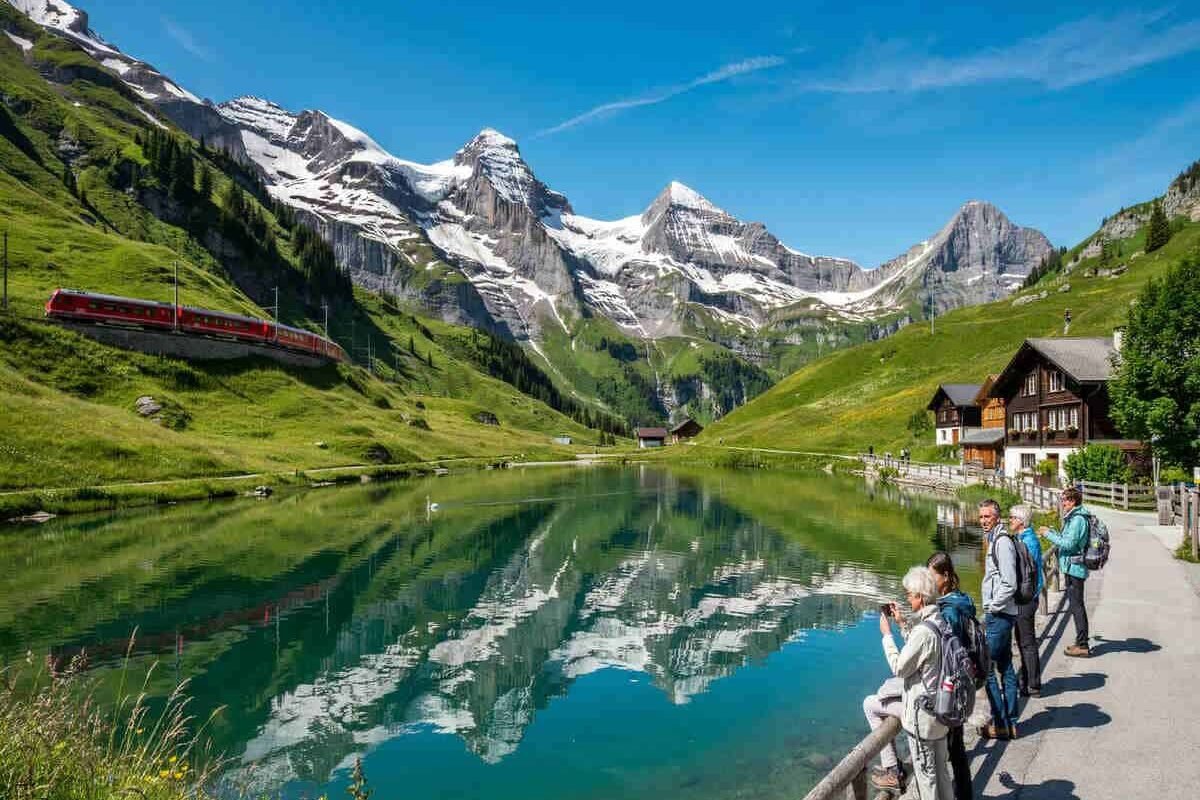
Switzerland’s Alpine scenery, beautiful lakes and famous rail journeys may seem beyond reach for budget travellers, but a carefully planned trip can make the country far more affordable. By choosing lower-cost bases, booking transport early and prioritising free outdoor experiences, visitors can enjoy Switzerland without paying peak-season prices at every turn.
Whether you are planning a family holiday, romantic break or independent adventure, the key to Switzerland on a budget is making deliberate choices before you arrive.
Switzerland on a budget starts with realistic planning
Before booking flights or accommodation, create a daily spending plan covering transport, food, accommodation and activities. Decide which experiences matter most, then build the rest of the itinerary around them.
For example, travellers who want to experience a major mountain railway could save money by choosing a hostel or apartment and preparing some meals themselves. It is also sensible to keep an emergency buffer for weather-related changes, additional train connections and unexpected costs.
Choose affordable Swiss towns instead of expensive resorts
Accommodation in famous destinations such as Zermatt, St Moritz and Interlaken can quickly consume a large part of a holiday budget. Nearby towns often offer better value while retaining convenient rail links.
- Thun: A historic lakeside town with reliable connections to the Bernese Oberland.
- Spiez: A scenic base on Lake Thun with attractive waterfront views and good rail access.
- Lucerne: A practical option for combining a city break with lake and mountain day trips.
Compare hotels, hostels, holiday apartments and campsites across neighbouring towns rather than searching in only one resort. Staying in one base for several nights can also reduce both accommodation and transport costs.
Compare Swiss rail passes before buying tickets
Switzerland’s railway network is one of its greatest attractions, but frequent journeys can become expensive. The Swiss Half Fare Card costs CHF 150 and is valid for one month, offering discounts of up to 50% on eligible trains, buses, boats and mountain railways.
The Swiss Travel Pass may suit visitors planning extensive travel, while the Swiss Travel Pass Flex offers travel on selected days rather than consecutive ones. Neither option is automatically the cheapest choice, so compare the likely cost of your planned routes with individual tickets first.
Book Saver Day Passes early
SBB Saver Day Passes can reduce transport costs for travellers who know their dates in advance. Prices start from CHF 29 with an eligible Half Fare Card and CHF 52 without one, subject to availability. They can be purchased up to six months ahead, and the cheapest allocations generally disappear first.
Saver tickets for specific point-to-point journeys may offer further savings, but they are tied to a particular departure and cannot be refunded. Flexibility is therefore important when deciding whether the lower fare is worthwhile.
Travel outside Switzerland’s busiest seasons
July and August, along with the December-to-March ski period, typically bring stronger demand and higher prices. Visiting in May, early June, September or October can make it easier to find more competitive accommodation.
Shoulder-season travel also brings quieter trails, spring meadows and colourful autumn landscapes. However, some mountain railways and cable cars operate reduced schedules or close temporarily between seasons. Check timetables and operating dates before finalising your plans.
Enjoy Switzerland’s lakes, towns and trails for little or no cost
Some of Switzerland’s most memorable experiences are free. Visitors can walk beside Lake Thun, Lake Brienz or Lake Lucerne, explore public parks and enjoy scenic valley paths without booking an organised tour.
Bern’s UNESCO-listed Old Town, Lucerne’s historic wooden bridges and public gardens in major cities can also be explored without an admission fee. Some destinations provide free local transport passes through participating hotels and hostels, so ask about available visitor cards when checking in.
At higher elevations, check trail conditions and weather forecasts before setting out. Free scenery is only good value when the route is suitable for the conditions.
Cut accommodation and food costs
Hostels, self-catering apartments, campsites and Alpine huts can provide cheaper alternatives to conventional hotels. Apartments are particularly useful for families and groups because guests can share the cost and prepare simple meals.
Always check the full price, including cleaning fees and local visitor taxes, before comparing properties. A slightly higher nightly rate may still be better value if it includes breakfast, transport benefits or kitchen facilities.
Supermarkets such as Migros and Coop offer bread, cheese, fruit, salads and ready-made meals for easy picnics. Carrying a refillable bottle can also reduce daily spending, as public fountains provide drinking water in many towns and walking areas. Save restaurant visits for a special fondue or rösti meal rather than dining out for every meal.
Build a five- to seven-day itinerary around one base
A compact itinerary is often the most effective way to manage Switzerland on a budget. Choose a well-connected base such as Thun, Spiez or Lucerne and make selected day trips instead of changing hotels every night.
Group nearby attractions together and avoid crossing the country repeatedly. For mountain excursions, select one major experience—such as Jungfraujoch, Titlis or Gornergrat—rather than paying for several premium summit journeys. Check webcams and the forecast on the morning of the trip so poor visibility does not undermine an expensive ticket.
The smart way to experience Switzerland in 2026
Switzerland on a budget does not mean missing the country’s defining experiences. It means spending selectively: stay outside the most expensive resorts, plan rail journeys carefully, travel in quieter months and let the lakes, towns and mountains provide much of the entertainment.
With one well-chosen base, advance transport bookings and a realistic daily allowance, travellers can enjoy a memorable Swiss holiday while keeping costs under control.