

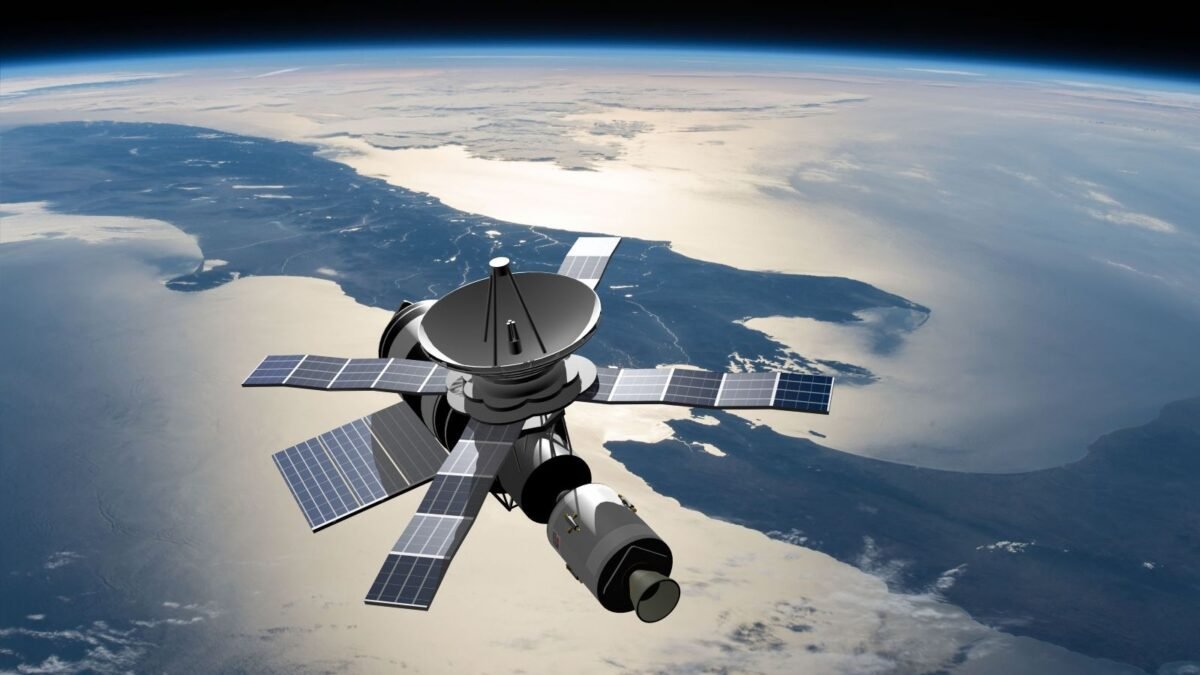
Space may look empty, but thousands of dead satellites, rocket stages and spacecraft fragments are circling Earth. This list of irish entertainment news has no connection to the topic, yet the drama of these real reentries is more gripping than many fictional blockbusters: from nuclear-powered satellites to debris that struck a Florida home, these are the top 10 times space junk returned to Earth.
Top 10 Space Junk Reentries That Shocked the World
Most orbital debris burns up high in the atmosphere. However, large spacecraft and dense components can survive, creating spectacular fireballs, sonic booms and dangerous debris fields.
10. Kosmos 1402’s Nuclear Reactor
When the Soviet radar satellite Kosmos 1402 broke apart in 1983, its nuclear reactor failed to reach a safe disposal orbit. The reactor section eventually reentered over the South Atlantic. Scientists later detected radioactive strontium in rainwater, raising concerns that debris from the satellite had spread through the atmosphere.
9. Salyut 7 Falls Over Argentina
The abandoned Salyut 7 space station and its attached module weighed approximately 40 metric tons. Increased solar activity expanded the upper atmosphere and accelerated its descent. On February 7, 1991, the complex became a brilliant fireball over Argentina, with fragments recovered near Capitán Bermúdez. No one was injured.
8. The Delta II Rocket Stage
In 1997, a Delta II second stage broke apart over the American Midwest. A large fuel tank landed near a Texas farmhouse, while a small piece of fiberglass struck Lottie Williams in an Oklahoma park. She was unharmed and is widely regarded as the only known person hit by falling space debris.
7. Long March 5B Over Côte d’Ivoire
A 20-metric-ton Long March 5B core stage made an uncontrolled reentry in May 2020. Debris was discovered near Mahounou in Côte d’Ivoire, including a large pipe-like component. Reports also described property damage, though there were no reported casualties.
6. Long March 5B Over Borneo
Another Long March 5B core stage reentered in July 2022 after launching a module toward China’s Tiangong space station. Residents in Malaysia filmed fiery fragments across the sky, initially mistaking them for a meteor shower. Authorities later reported possible surviving components in the Sulu Sea.
5. Tiangong-1
China’s first space station operated beyond its original mission but lost contact with controllers in 2016. Tiangong-1 eventually reentered over the central South Pacific on April 2, 2018. Most of the 8.5-metric-ton station burned up, and no confirmed debris was recovered.
4. SpaceX Crew Dragon Trunk
In 2022, residents in Australia’s Snowy Mountains heard a powerful sonic boom. The likely source was the discarded trunk from the Crew-1 Dragon spacecraft. Charred sections, including one nearly three metres tall, were found on farmland near Dalgety, New South Wales.
Read more: Discover more long-form stories in the best Irish entertainment news and culture coverage, including features on Irish comedy shows, Irish festivals and events, and the best craic in Ireland.
3. The ISS Battery Pallet
A discarded International Space Station battery pallet reentered in March 2024. Although engineers expected the entire load to burn up, a heat-resistant metal stanchion survived and crashed through the roof of a home in Naples, Florida. NASA later confirmed the fragment came from the pallet and began reviewing its reentry predictions.
2. Skylab
Skylab, America’s first space station, descended earlier than expected after heightened solar activity increased atmospheric drag. On July 11, 1979, the 77-metric-ton station broke apart over Western Australia. Although nobody was hurt, debris landed across the region, and local officials famously sent NASA a littering fine that was eventually paid decades later.
1. Cosmos 954
The most alarming case was Cosmos 954, a Soviet radar satellite powered by a nuclear reactor. It broke apart over northern Canada in January 1978, spreading radioactive debris across approximately 124,000 square kilometres. Canada and the United States launched Operation Morning Light, a lengthy recovery mission that retrieved only a small fraction of the reactor’s radioactive material.
Explore more: Visit Ireland travel and lifestyle guides for ideas ranging from an Ireland nightlife guide and traditional Irish music sessions to things to do in Ireland tonight. For premium culture and destination features, browse top places to visit in Ireland and the best places to stay in Ireland.
Why Space Junk Reentries Matter
These incidents reveal the difficulty of managing objects in orbit. Solar activity can change atmospheric drag, tracking forecasts can shift rapidly, and dense materials may survive temperatures that destroy most of a spacecraft. Nuclear-powered satellites create additional environmental and political risks, while uncontrolled rocket stages can threaten populated areas without warning.
- Most debris burns up, but surviving fragments can weigh hundreds of kilograms.
- Large reentries may produce fireballs, sonic booms and scattered debris fields.
- Controlled deorbiting is safer because it directs spacecraft toward remote ocean areas.
- Improved tracking and better spacecraft design can reduce future risks.
Conclusion
From Skylab’s spectacular fall to Cosmos 954’s radioactive crash, these top 10 space junk reentries show that the end of a space mission can be as dramatic as its launch. The clearest takeaway is simple: responsible disposal, accurate tracking and international cooperation are essential for keeping Earth safe from the growing orbital debris problem.
Article/Image Courtesy: Listverse