

The top 10 strange side quests of the U.S. Census reveal a government survey that counted far more than people. Alongside population figures, American census officials investigated libraries, homemade goods, silk cocoons, newspapers, church seating, dead animals, seals, oyster shells, ice supplies and burned forests.
These forgotten records, often called nonpopulation schedules, offer an unusual portrait of everyday life and national industry. They show how census takers attempted to document the systems, materials and problems shaping American communities.
Top 10 Strange Side Quests of the U.S. Census
10. Auditing overdue library books
An 1880 library schedule examined collections, staff, funding, opening hours and readership. It also asked how libraries handled overdue books, including fines, notices, messengers and losses. The inquiry offers a fascinating glimpse of public culture, where missing books and unpaid penalties were part of ordinary administration.
9. Valuing work that never reached a shop
The 1850 agricultural census recorded homemade goods even when families kept them for personal use rather than selling them. This recognised an overlooked household economy in which labour created value without appearing in commercial records.
8. Weighing silkworm cocoons
Connecticut’s 1850 farm tables included silk cocoons alongside crops such as flaxseed, maple sugar and molasses. The state reported 328 pounds of cocoons, including 221 pounds from Windham County. The small category shows how detailed agricultural reporting could become.
7. Classifying newspapers by character
Census officials wanted to know more than the names of newspapers and periodicals. They recorded their circulation and classified them as political, scientific, literary, religious, medical, agricultural or undefined. Connecticut listed 46 publications, 28 of them political.
6. Counting seats in houses of worship
The 1850 census measured religious buildings through practical details, including denominations, property values and the number of “sittings”—the people each venue could accommodate. Halls and chapels regularly used for worship were included, making the survey a record of religion’s physical presence in American towns.
Read more: Explore long-form Irish entertainment news and the best craic in Ireland, including Irish culture and craic, Irish comedy shows and Irish memes and humor.
5. Asking cities about dead animals
An 1880 city schedule investigated how municipalities removed dead animals. Officials requested annual costs, numbers by animal type, disposal methods and local regulations. The questions formed part of a wider inquiry into street cleaning, garbage, ashes and household waste.
4. Surveying seal breeding grounds
The 1880 census publications included Henry W. Elliott’s report on Alaska’s seal islands, based largely on observations from 1872 to 1876. Rather than counting seals individually, Elliott studied the size of breeding areas and used occupied coastal space as an indicator of population.
3. Investigating oyster shells
An 1881 report on the oyster industry followed shells after the oysters had been consumed. It examined shell lime, agricultural uses and shell deposits used to create surfaces where young oysters could settle. The material could become ballast, building material, soil treatment or part of a new oyster bed.
2. Measuring an industry built on melting ice
Henry Hall’s report on the American ice industry compiled consumption figures from 20 major cities for the year ending September 30, 1880. It noted that a poor winter ice harvest had reduced summer supplies and acknowledged that the available business figures were estimates rather than complete statistics.
Explore more: Discover an Ireland nightlife guide with things to do in Ireland tonight, plus Irish festivals and events, traditional Irish music sessions and ideas for an Ireland travel bucket list. For culture lovers, visit Ireland’s luxury travel and lifestyle guide for inspiration on the best places to stay in Ireland.
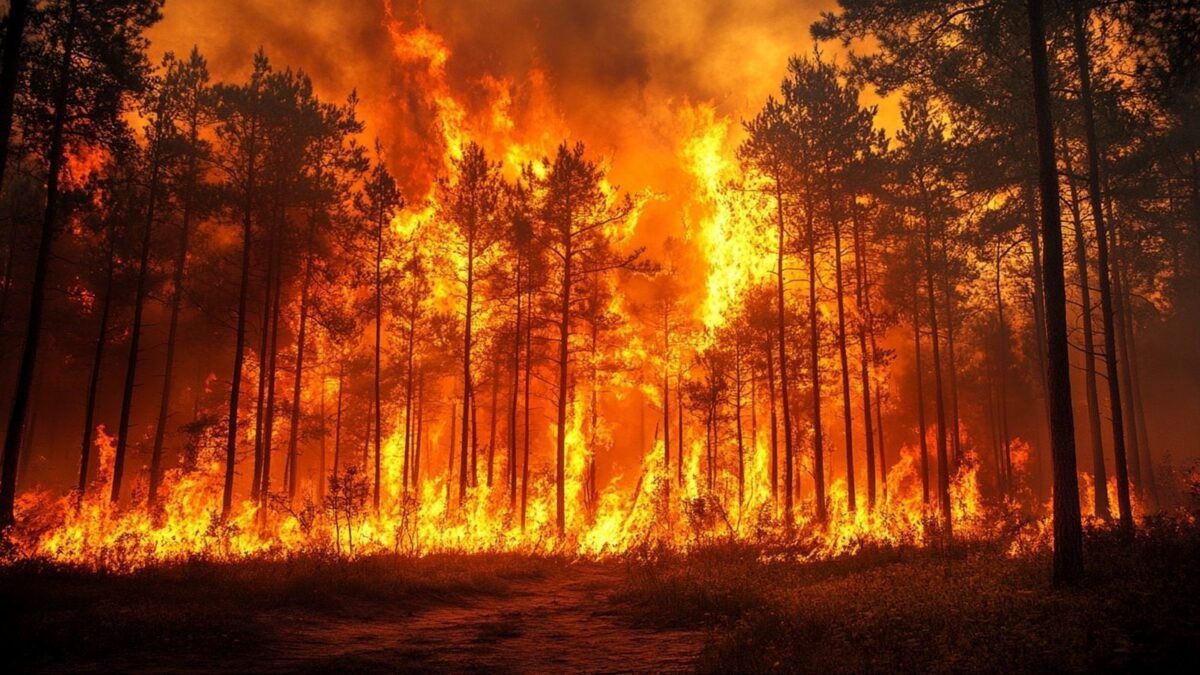
1. Recording forests after devastating fires
The 1880 forest report documented woodland destroyed or damaged by fire. Ohio reported 74,114 acres burned during the census year, with an estimated loss of $797,170. The report linked many fires to land clearing, hunters and locomotive sparks, while Indiana recorded similar causes.
What these strange census records reveal
These side investigations show that the U.S. Census was once an ambitious inventory of society, commerce, natural resources and municipal problems. Its schedules captured unpaid household work, public reading, religious capacity, industrial waste and environmental loss.
They also require careful interpretation. Historical figures were often based on reported information, estimates or methods very different from modern surveys. Even so, the records remain valuable because they preserve details that a simple population count could never show.
Conclusion
The top 10 strange side quests of the U.S. Census demonstrate how officials tried to measure an entire civilisation, from overdue books and melting ice to oyster shells and forests lost to fire. The clearest takeaway is that history often survives in unexpected columns—and the strangest statistics can tell the most human stories.
Article/Image Courtesy: Listverse