

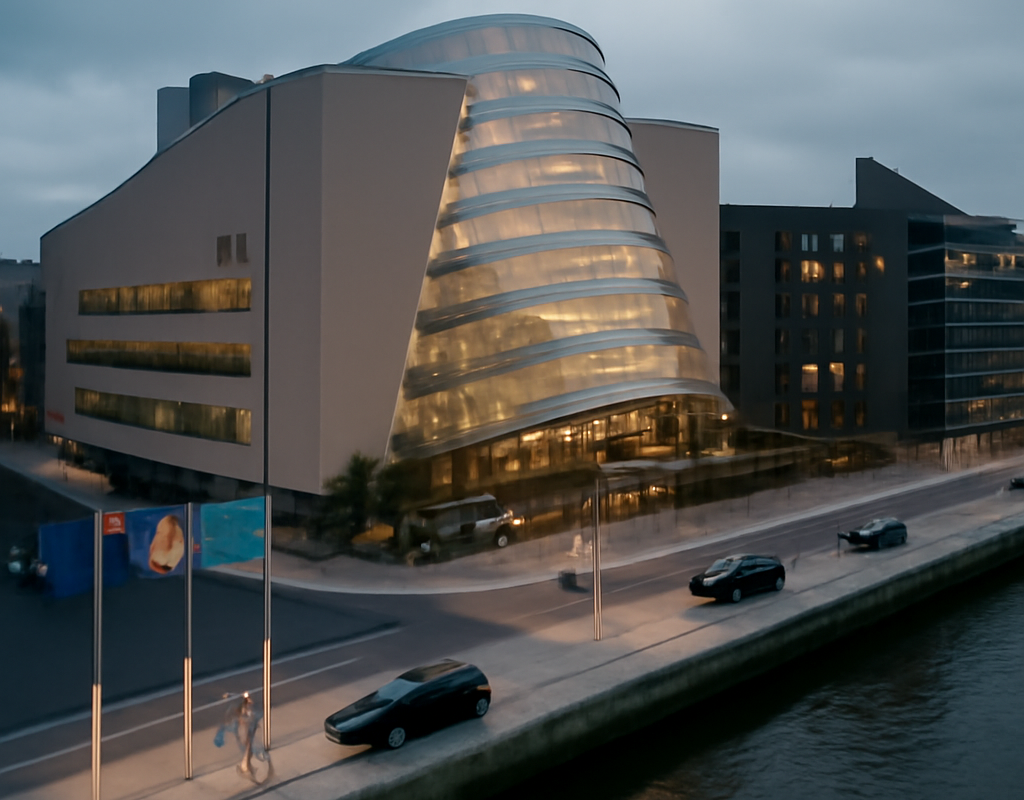
Ukraine was at the centre of urgent diplomatic discussions in Dublin on Thursday as European leaders gathered for the ninth European Political Community summit. The meeting focused on Europe’s role in any future peace negotiations and the need to protect the continent’s security interests.
Ukraine dominates Breaking News from Dublin
The European Political Community summit brought leaders from across the continent to Dublin, with the war in Ukraine shaping the main agenda. Participants repeatedly argued that European countries must have a meaningful place in any talks aimed at ending the conflict.
The discussions come as international diplomatic activity continues around the war. European leaders are concerned that decisions affecting European security should not be taken without European participation, particularly if negotiations involve Ukraine’s future defence and territorial security.
Key facts from the summit
- The ninth European Political Community meeting took place in Dublin.
- Taoiseach Micheál Martin hosted the gathering.
- Ukraine and the future of European security dominated discussions.
- European leaders called for a role in any peace negotiations.
- US negotiators later briefed Ukrainian President Volodymyr Zelenskiy in Ireland.
Why the Dublin summit matters
The European Political Community provides a forum for leaders from European countries to discuss shared political, security and economic challenges. Unlike the European Union, it includes a wider group of states, allowing governments outside the EU to take part in high-level discussions.
For Ireland, hosting the summit placed Dublin at the centre of major international diplomacy. The event also highlighted the country’s role in facilitating communication between European partners and Ukraine during a period of heightened uncertainty.
The central issue was whether Europe would be able to influence the terms of a future settlement. Leaders’ calls for involvement reflected concerns that a peace process affecting the continent cannot be separated from European security priorities.
US negotiators meet Zelenskiy in Ireland
Later on Thursday night, US negotiators Steve Witkoff and Jared Kushner travelled from Moscow to Casement Aerodrome in Baldonnel. They had recently met Russian President Vladimir Putin and then briefed Ukrainian President Volodymyr Zelenskiy in a meeting facilitated by the Irish Government.
The meeting added a significant diplomatic development to a day already dominated by discussions about Ukraine. It also underlined Ireland’s position as a location for high-level engagement, even though the country is militarily neutral.
The available information does not indicate that a peace agreement was reached at the Dublin summit or during the later meeting. The confirmed development is that European leaders demanded a role in future talks, while US representatives briefed the Ukrainian president after discussions in Moscow.
Ireland’s role in European diplomacy
Taoiseach Micheál Martin hosted the EPC summit as leaders addressed the war and its wider implications. Ireland’s diplomatic position has traditionally combined military neutrality with strong support for international law, humanitarian assistance and Ukraine’s sovereignty.
Hosting the summit gave Ireland an opportunity to support dialogue among European governments while keeping the focus on the consequences of Russia’s invasion. It also brought the conflict directly into the country’s public conversation, including demonstrations in Dublin calling for peace and opposing further military spending in Europe.
What European leaders are seeking
The message emerging from the summit was clear: European governments want a seat at the table if formal peace negotiations begin. Their position is based on the view that any settlement could have long-term consequences for European borders, defence policy and regional stability.
That demand does not itself represent an agreed negotiating framework. It is a political statement about who should participate and how Europe’s interests should be represented.
What happens next?
The next stage will depend on developments in diplomatic contacts involving Ukraine, Russia, the United States and European governments. The Dublin summit did not resolve the war, but it gave European leaders a platform to coordinate their public position.
Readers should expect further News Updates as governments respond to the diplomatic discussions. Any formal talks, proposed settlement or security arrangement would likely require detailed negotiations and assurances involving multiple countries.
Frequently asked questions
What was the main subject of the Dublin summit?
The war in Ukraine and Europe’s role in potential peace negotiations dominated the European Political Community meeting.
Who hosted the summit?
Taoiseach Micheál Martin hosted the ninth European Political Community summit in Dublin.
What happened at Baldonnel?
US negotiators Steve Witkoff and Jared Kushner travelled to Casement Aerodrome in Baldonnel, where they briefed Ukrainian President Volodymyr Zelenskiy after meeting Russian President Vladimir Putin in Moscow.
Was a peace deal announced?
No peace agreement was reported in the supplied information. The confirmed developments were calls for European participation in future talks and the briefing provided to Zelenskiy.
Conclusion
The Dublin summit placed Ukraine firmly at the heart of the day’s Breaking News, with European leaders insisting that the continent must help shape any future peace process. The later meeting between US negotiators and President Zelenskiy added further diplomatic significance to Ireland’s role. For readers following Ireland Today and international affairs, the key takeaway is that Europe is seeking greater influence over negotiations that could determine Ukraine’s future and the security landscape across the continent.