

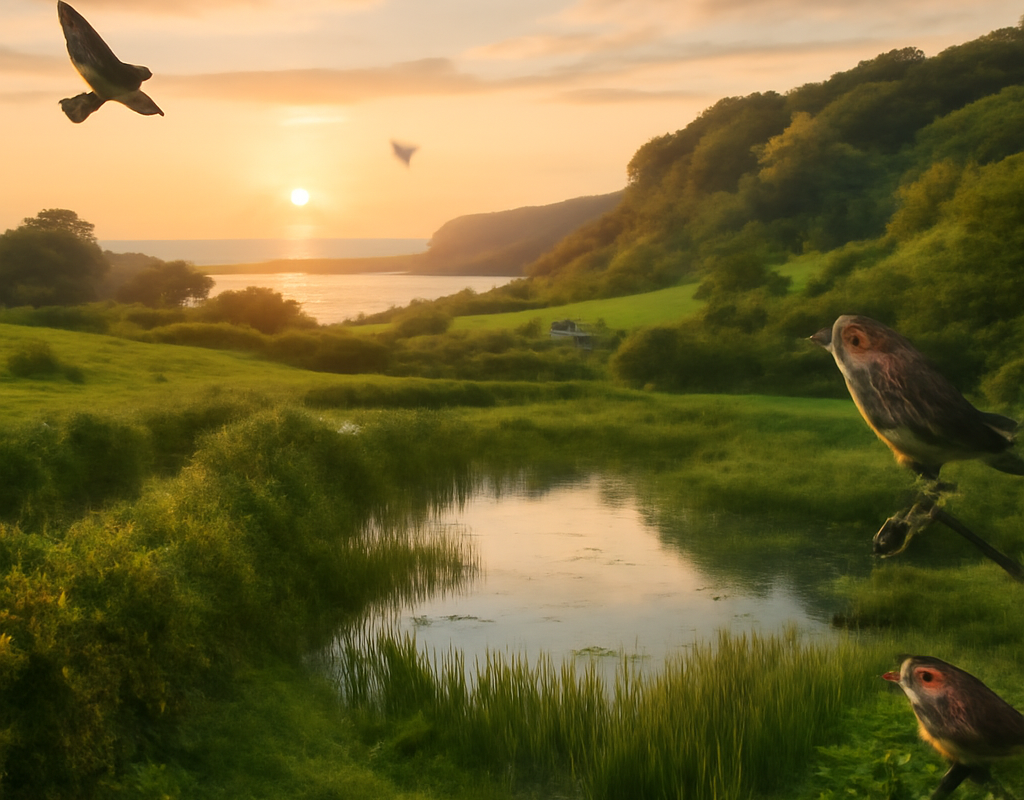
Ireland’s birds are an important part of the country’s natural heritage, but changing habitats, farming practices, weather patterns and urban development are creating growing pressure on many species. This Breaking News report examines why bird conservation matters and what the latest Ireland News means for wildlife, communities and the wider environment.
Bird populations can provide an early warning about ecological change. When familiar species become less common, the decline may point to wider problems involving food supplies, nesting areas, water quality or habitat management. That makes Ireland’s birds relevant far beyond birdwatching: their fortunes are closely connected to the health of the countryside, wetlands, coastlines and towns.
Why Ireland’s birds matter
Ireland supports a wide range of resident and migratory birds. Farmland, bogs, lakes, rivers, estuaries, woodlands and coastal habitats all provide different sources of food and shelter. Some species remain in Ireland throughout the year, while others arrive seasonally after travelling long distances.
Birds also play practical ecological roles. They help control insect populations, disperse seeds and form part of food chains that support other wildlife. Their presence can also benefit local economies through nature tourism and outdoor recreation.
- Farmland birds rely on hedgerows, field margins, rough grassland and seed-rich areas.
- Wetland birds depend on clean water, functioning wetlands and undisturbed feeding grounds.
- Seabirds face pressures linked to marine food supplies, pollution and coastal disturbance.
- Garden and urban birds need nesting spaces, native planting and access to insects and berries.
What is putting pressure on Ireland’s birds?
The pressures affecting birds vary by species and location. Habitat loss is one of the most persistent concerns. The removal of hedgerows, drainage of wet areas, loss of scrub and reduction of mature trees can remove nesting sites and feeding grounds.
Agricultural change can also influence bird numbers. Intensively managed land may provide fewer seeds, insects and safe places to raise young. At the same time, the timing of mowing, hedge cutting and harvesting can affect nests during the breeding season.
Climate change adds another layer of uncertainty. Warmer temperatures, altered rainfall and more frequent extreme weather can affect migration, breeding success and the availability of food. Storms can be particularly damaging to coastal and seabird colonies, while dry periods may reduce water and insect supplies inland.
Other pressures include pollution, invasive species, collisions with vehicles and buildings, predation, disturbance and disease. The impact is rarely caused by one factor alone; several pressures may combine in the same landscape.
Read More
Explore related environmental coverage and public-interest reporting at DailyDigest.ie.
Why bird monitoring is essential
Reliable monitoring helps conservation groups and public authorities identify long-term trends rather than relying on isolated sightings. Repeated surveys can show whether a species is stable, declining, recovering or moving into new areas.
Monitoring also helps distinguish national patterns from local changes. A fall in sightings in one county may reflect a temporary weather event, while a decline recorded across several years and regions could indicate a deeper problem.
Information from trained surveyors, conservation organisations, farmers, landowners and members of the public can all contribute to the picture. Accurate records are particularly useful during migration periods and breeding seasons, when changes in timing or distribution may become visible.
What can be done to support Irish birdlife?
Protecting Ireland’s birds requires action across public land, farmland, gardens, waterways and coastal areas. Conservation measures do not have to be complicated, but they need to be consistent and suited to local conditions.
- Retain mature hedgerows, native trees and areas of scrub where they provide shelter or nesting sites.
- Delay hedge cutting and vegetation management where necessary to avoid disturbing active nests.
- Maintain ponds, wetlands and clean waterways that support insects, aquatic life and waterbirds.
- Plant native species that produce berries, seeds and habitat for insects.
- Keep cats, dogs and visitors away from sensitive nesting sites during key periods.
- Report unusual sightings, injured wildlife and suspected threats to the appropriate conservation or wildlife authorities.
Farmers have a particularly important role because agricultural land covers much of Ireland. Measures such as protecting field boundaries, leaving uncultivated margins and reducing disturbance during breeding periods can create valuable habitat while supporting sustainable land management.
What this means for readers
For people following Ireland Today and the latest Irish News, the story is a reminder that biodiversity issues are not separate from everyday life. Decisions about planning, farming, water quality, transport infrastructure and climate policy can all influence wildlife.
Residents can make a difference locally by recording birds, planting native vegetation, keeping feeders clean and avoiding unnecessary disturbance. During severe weather, providing suitable food and fresh water may help some garden species, although feeding should be done responsibly and hygiene is important.
Visitors to beaches, cliffs, lakes and nature reserves should follow local guidance, keep to marked paths and give nesting birds space. Small changes in behaviour can reduce disturbance at sites where birds have limited alternatives.
Frequently asked questions
Why are birds considered indicators of environmental health?
Birds respond relatively quickly to changes in food availability, habitat quality, pollution and weather. A sustained decline can therefore signal wider ecological pressures.
Which habitats are important for Ireland’s birds?
Important habitats include wetlands, bogs, hedgerows, farmland, woodlands, estuaries, coastal cliffs, beaches and urban green spaces.
How can people help birds in their gardens?
Planting native species, providing clean water, maintaining safe nesting spaces and avoiding pesticides can improve conditions for garden birds. Feeders should be cleaned regularly.
Where can people find reliable updates?
Readers should consult official wildlife agencies, established conservation organisations and verified survey programmes for current information. Local guidance is especially important at protected sites.
The wider significance
The condition of Ireland’s birds reflects the condition of the landscapes shared by people and wildlife. Conservation is most effective when it combines good data, habitat protection, practical farming measures, responsible development and public participation.
As new monitoring results and conservation decisions emerge, further News Updates may clarify the position of particular species or regions. For now, the key message is clear: protecting Ireland’s birds means protecting the habitats, water and seasonal ecosystems on which the country depends.
The latest Ireland News on bird conservation should be followed closely, because changes in birdlife can reveal much about Ireland’s environmental future.