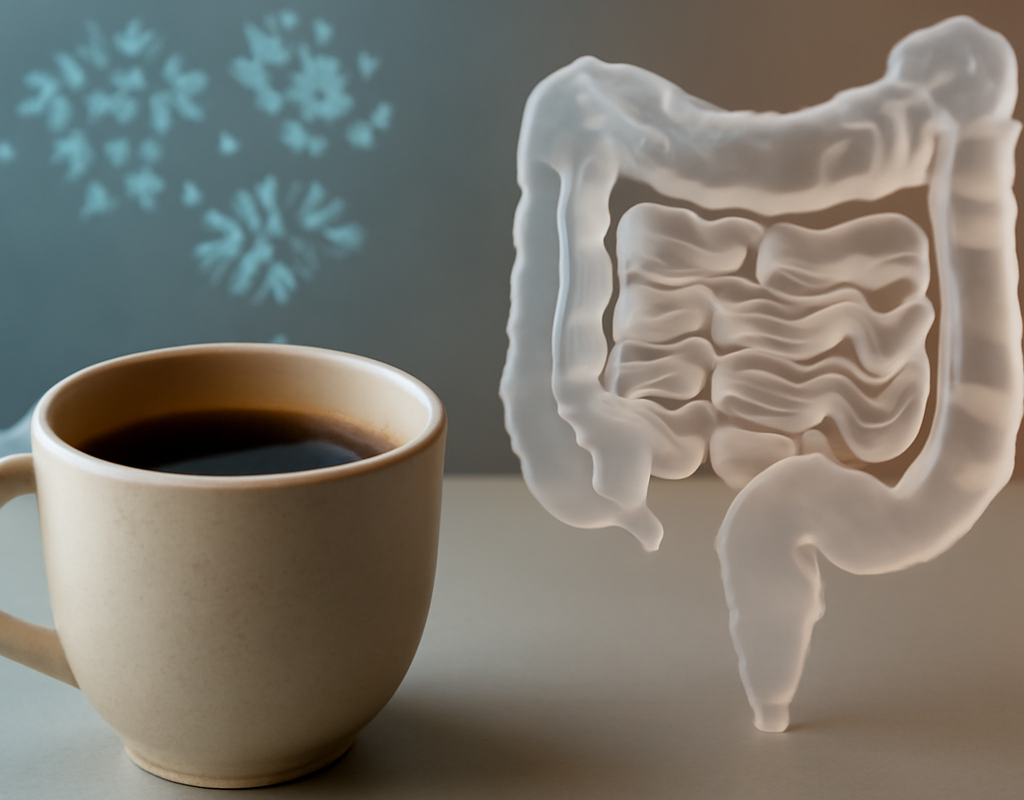
Regular coffee drinking may be associated with changes in how the digestive system moves and with greater diversity among gut microorganisms, according to research from the University of Copenhagen. The findings offer a closer look at what happens inside the body after habitual coffee consumption, while researchers caution that the study does not prove coffee directly caused the observed effects.
Published in the journal Gut Microbiology, the study examined healthy adults in Denmark and used a small electronic capsule to track conditions inside the gastrointestinal tract. The researchers measured transit time, temperature, acidity and intestinal contractions as the capsule travelled through the digestive system.
How the study examined coffee and digestion
The research involved 61 healthy adults. Participants were grouped according to their coffee-drinking habits during the study period.
- Regular consumers drank between one and five cups of coffee a day on more than three of the eight days covered.
- Less frequent consumers drank coffee less often.
The capsule provided measurements that are difficult to obtain through conventional observation. By monitoring the digestive tract directly, the team could assess whether coffee consumption was associated with differences in movement and internal conditions.
Regular coffee drinking was linked to more diverse gut bacteria
Participants who regularly consumed coffee had greater diversity in the microorganisms found in their intestines than those who drank coffee less frequently. The gut microbiome includes bacteria and other microorganisms that live throughout the digestive system and can vary between individuals.
Greater microbial diversity is often examined in digestive-health research, but the study does not establish what the observed difference means for a person’s long-term health. The researchers identified an association rather than a confirmed health benefit.
The findings add to earlier research suggesting that coffee may influence the gut microbiome. Coffee contains numerous compounds, and its effects may also be connected to changes in digestive secretions and movement through the gastrointestinal tract.
Changes in acidity and colon contractions
One of the study’s notable observations was lower acidity in the small intestine among regular coffee drinkers. The researchers said it remains unclear whether this change is beneficial, harmful or simply reflects a different physiological response.
The study also found an association between higher coffee intake and more frequent contractions in the colon. These contractions help move intestinal contents through the digestive system and contribute to normal bowel movements.
Increased colon activity may help explain why some people notice that coffee affects their digestion. However, individual responses can vary, and the findings should not be interpreted as evidence that coffee prevents constipation or improves digestive health for everyone.
What the researchers say
Francesca Bucci, the study’s lead researcher and a PhD student at the University of Copenhagen’s Department of Nutrition, Exercise and Sports, said regular coffee consumption appeared to affect intestinal physiology.
Henrik Munch Roager, an associate professor and head of a research group in the same department, said previous studies had shown that coffee can affect digestive processes, including the secretion of acids in the stomach. That background, he suggested, makes it plausible that coffee contributed to the differences recorded in the new research.
Does coffee cause the digestive changes?
Not yet. The study was observational: researchers compared participants based on their existing coffee habits rather than assigning them to drink a specific amount. This means other differences between the groups could also have contributed to the results.
For example, habitual coffee drinkers may differ from less frequent consumers in areas such as diet, sleep, activity levels or other lifestyle factors. The study design cannot fully separate those influences from the effects of coffee itself.
The researchers said a controlled study would be the next step. In such research, participants would be assigned to consume defined amounts of coffee, allowing scientists to test more directly whether coffee causes changes in bowel movement, colon contractions, intestinal acidity or the gut microbiome.
What the findings mean for coffee drinkers
The study does not provide a new recommended amount of coffee and does not show that all coffee drinkers will experience the same digestive response. It instead provides evidence for further investigation into the relationship between habitual coffee consumption and gastrointestinal function.
For readers, the main points are:
- Coffee consumption was associated with greater gut-microorganism diversity in this small study.
- Regular drinkers had lower measured acidity in the small intestine.
- Higher intake was linked to more frequent colon contractions.
- The research did not prove that coffee caused these changes.
- The health significance of the acidity difference remains uncertain.
Anyone experiencing persistent abdominal pain, major changes in bowel habits or other digestive symptoms should seek advice from a qualified healthcare professional rather than relying on coffee as a treatment.
Conclusion
The study suggests that regular coffee drinking is linked to measurable differences in gut motility, intestinal acidity and microbiome diversity. Its small, observational design means the results are not proof of cause and effect, but they offer a basis for controlled research into how coffee interacts with the digestive system. For now, the clearest takeaway is that coffee’s effects on digestion may be more complex than its familiar ability to stimulate a bowel movement.