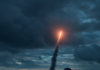
North Korea has continued its pattern of missile activity and nuclear messaging, reinforcing security concerns across East Asia. The latest developments come as Pyongyang describes its nuclear arsenal as permanent and irreversible, while ties with Russia and China remain strategically important.
The developments are not an EU decision, but they matter to European foreign policy because North Korea’s military cooperation with Russia, including links connected to the war in Ukraine, has implications for European security and sanctions policy.
North Korea’s missile programme remains active
Recent reports cited in the source material describe several missile launches by North Korea during 2026. These include suspected ballistic missiles fired towards the East Sea and Yellow Sea, as well as an intermediate-range missile that Pyongyang reportedly claimed used an evasive flight path.
South Korea’s military has repeatedly monitored and condemned the launches. In one August report, South Korea’s Joint Chiefs of Staff said a missile launched from the eastern coastal area near Wonsan travelled more than 700 kilometres. Seoul said it remained prepared to respond to any provocation in cooperation with the United States.
The launches have taken place amid military exercises involving the United States and South Korea. Pyongyang has historically criticised those drills, describing them as preparation for an attack, while Washington and Seoul maintain that their exercises are defensive.
Why evasive flight paths matter
A claim that a missile can alter its trajectory or use an evasive flight path is significant because such technology may complicate missile-defence planning. However, claims made by North Korean state media require independent assessment, and the source material does not establish the full technical capabilities of the weapon involved.
North Korea’s launches are monitored closely because ballistic missile development can contribute to longer-range strike capabilities and increase pressure on neighbouring countries. Japan, South Korea and the United States remain the countries most directly exposed to the military risk.
Pyongyang describes its nuclear status as irreversible
North Korean leaders have repeatedly stated that the country will not abandon its nuclear weapons. The source material says Pyongyang has legally enshrined its status as a nuclear-armed state and has rejected the idea that it is bound to return to denuclearisation negotiations on previous terms.
North Korea’s nuclear policy hardened after the collapse of its 2019 summit process with the United States. Talks failed to produce agreement on the scope of sanctions relief or the steps required to dismantle North Korea’s nuclear programme.
Since then, Pyongyang has described its nuclear force as permanent and has called for improvements in both the quality and quantity of its weapons. It has also announced plans involving naval bases and upgraded combat systems, according to the supplied reports.
Potential diplomatic consequences
The nuclear position makes future negotiations more difficult. Any renewed talks would likely have to address several issues at once:
- North Korea’s existing nuclear weapons and delivery systems
- Ballistic missile testing and regional military exercises
- International sanctions and possible relief
- Security guarantees sought by Pyongyang
- The security concerns of South Korea and Japan
Reports that a future US-North Korea summit could be possible at any time indicate that diplomatic contact has not been ruled out. They do not, however, amount to confirmation of a scheduled meeting or a new agreement.
Russia and North Korea deepen ties
North Korea’s relationship with Russia has become more prominent since Moscow launched its full-scale invasion of Ukraine in 2022. The supplied reports describe expanding military, economic and political links between the two countries, including the opening of a road bridge intended to improve cross-border connections.
The relationship has implications beyond the Korean Peninsula. European governments have closely followed reports of cooperation between Moscow and Pyongyang because any military or industrial links may affect the enforcement of European sanctions and the wider security environment surrounding Russia’s war against Ukraine.
The source material also describes a friendship treaty between Belarus and North Korea, signed during a visit by Belarusian President Alexander Lukashenko to Pyongyang. Such developments point to broader diplomatic engagement among governments opposed to Western pressure, although their practical effect depends on the details of each agreement.
China remains central to North Korea’s regional position
China remains North Korea’s main economic backer, while Beijing and Pyongyang have sought to strengthen their relationship. The source material reports a visit by Chinese President Xi Jinping to North Korea, described as his first trip there in seven years.
China’s role is important because it has substantial influence over North Korea’s trade and economic access. Beijing also has an interest in preventing instability on its border and managing tensions involving the United States, South Korea and Japan.
The reported resumption of direct Air China flights to North Korea after a six-year pause was presented as a sign of reopening following pandemic-era border restrictions. Transport links do not necessarily indicate a wider diplomatic breakthrough, but they can support trade and official contact.
What the developments mean for Europe
North Korea is not part of the European Union, and the missile launches do not directly change EU law or the rules of the European single market. Their relevance to European affairs is mainly strategic.
European governments may need to consider:
- Whether North Korean-Russian cooperation affects existing sanctions policy
- How developments influence European security planning
- Coordination with the United States and partners in the Indo-Pacific
- The risk of wider proliferation of missile or military technology
- Diplomatic responses through the United Nations and other international forums
For Ireland, the immediate effects are indirect. Ireland’s position in international affairs may involve support for multilateral action, sanctions implementation and diplomatic efforts to reduce nuclear and missile risks. There is no indication in the supplied material of a new Ireland-specific measure.
What happens next?
The next stage is likely to involve continued monitoring of North Korean launches, statements from South Korea, Japan and the United States, and assessment of any further military cooperation involving Russia, China or Belarus.
A missile test alone does not establish that a new weapon has entered operational service, and reports of possible summits do not confirm that negotiations have resumed. The central question will be whether Pyongyang combines its military activity with a credible diplomatic opening.
Conclusion
North Korea’s latest missile activity and repeated declaration of an irreversible nuclear status show that the security situation remains tense. While the immediate impact is concentrated in East Asia, North Korea’s growing links with Russia and its wider diplomatic relationships give the issue importance for European security, sanctions and foreign policy. The key developments to watch are any further launches, changes in regional military exercises and evidence of confirmed diplomatic engagement.