A French appeals court has sentenced former police officer Gilles Guilbert to eight years in prison for the 2020 killing of Olivio Gomes, a 28-year-old man who was shot during a night-time vehicle stop near Paris. The ruling has been welcomed by Gomes’s family as a significant moment in France’s continuing debate over police use of force and racial inequality.
French appeals court reduces sentence but rejects self-defence claim
The court in Hauts-de-Seine, west of Paris, ruled that Guilbert did not act in self-defence when he fired at Gomes on 17 October 2020. The former officer, now 35, was convicted of murder and given an eight-year prison sentence—two years fewer than the 10 years imposed by a Versailles court in March.
Guilbert has also been permanently barred from working as a police officer and prohibited from carrying a firearm for 15 years. His lawyer appealed immediately after the original conviction, leading to the latest decision.
What happened during the police stop?
Guilbert and two colleagues followed Gomes’s car for approximately 20 minutes before the vehicle reached his home in Poissy, a town in the Paris region. The defence argued that the officers were pursuing him because he had been speeding, but security camera footage did not support that account.
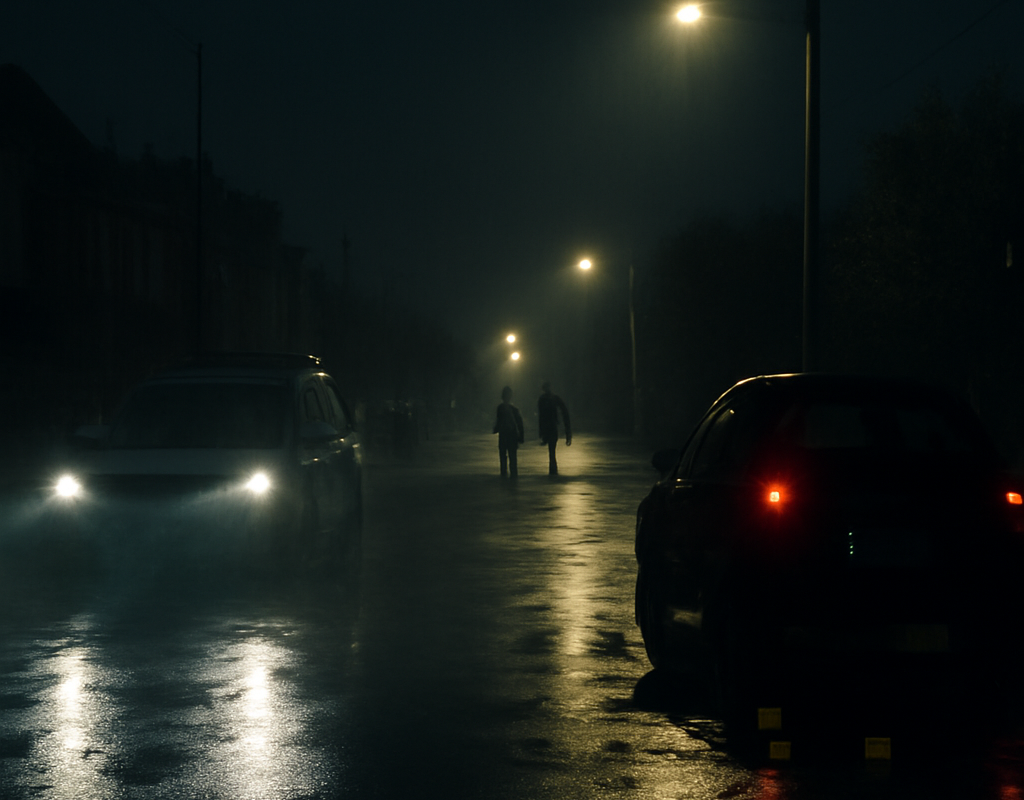
After Gomes stopped, Guilbert left the police vehicle and pointed his firearm at him. When Gomes started the car and began to drive away, the officer fired three shots at close range. Gomes, who was a father of three, died at the scene.
The appeals court’s rejection of the self-defence argument was central to the verdict. The judgment means the court accepted that the circumstances did not justify the officer’s use of lethal force.
Family describes verdict as historic
Gomes’s relatives said the appeal ruling brought relief after years of legal uncertainty. His younger brother, Leonel Gomes, told AFP that the family could finally begin to mourn their loss after a prolonged struggle.
Damien Vinet, one of the family’s lawyers, called the decision “historic”. The response reflects the wider importance attached to the case by campaigners who have long demanded greater accountability when police officers use deadly force.
- Gilles Guilbert was sentenced to eight years in prison.
- The original sentence was 10 years.
- The shooting happened on 17 October 2020 in Poissy, near Paris.
- Guilbert is banned for life from police work.
- He may not carry a firearm for 15 years.
Case renews scrutiny of policing and race in France
The conviction comes amid continuing controversy over French policing, particularly the treatment of black and North African communities. Rights organisations and campaigners accuse police forces of systemic racism and excessive violence. The French government and police unions reject the idea that abuse is widespread, describing such incidents as isolated.
A report published last year by France’s Defender of Rights found that young men perceived as Arab, black or from North Africa were four times more likely to be stopped by police than other people. That finding has become an important reference point in discussions about racial profiling and policing practices.
The figure does not establish the circumstances of any individual stop, but it highlights the unequal experience of police checks reported by ethnic minorities in France. The Gomes case has therefore attracted attention beyond the immediate criminal proceedings.
Another high-profile police shooting case is pending
The debate is likely to continue as another case involving a police shooting moves through the courts. An officer is due to stand trial over the death of 17-year-old Nahel Merzouk, who was shot at point-blank range in Nanterre, near Paris, in June 2023.
Merzouk’s death triggered protests and renewed national debate about police powers, accountability and discrimination. The upcoming trial will be closely watched alongside the Gomes ruling, although the two cases involve separate alleged events and legal proceedings.
Why the ruling matters in European news
This case is significant in European news because it addresses how courts assess police claims of self-defence when firearms are used against civilians. It also illustrates the tension between demands for public security and calls for strict limits on lethal force.
For Gomes’s family, the appeal verdict provides a measure of accountability, even though the reduced sentence means the legal outcome is less severe than the first-instance judgment. For campaigners, the decision is an example of a court scrutinising an officer’s actions rather than accepting self-defence as sufficient explanation.
The case does not resolve France’s wider dispute over police conduct. However, the ruling adds to the legal record at a time when questions about racial profiling, police violence and institutional accountability remain prominent in French and European affairs.
Conclusion
The eight-year sentence for Gilles Guilbert confirms that the French appeals court rejected his self-defence claim over the fatal shooting of Olivio Gomes. While the punishment was reduced from 10 years, the lifetime police ban and firearm restriction underline the seriousness of the verdict. The case is likely to remain an important reference point in European news as France continues examining the relationship between policing, race and the use of lethal force.