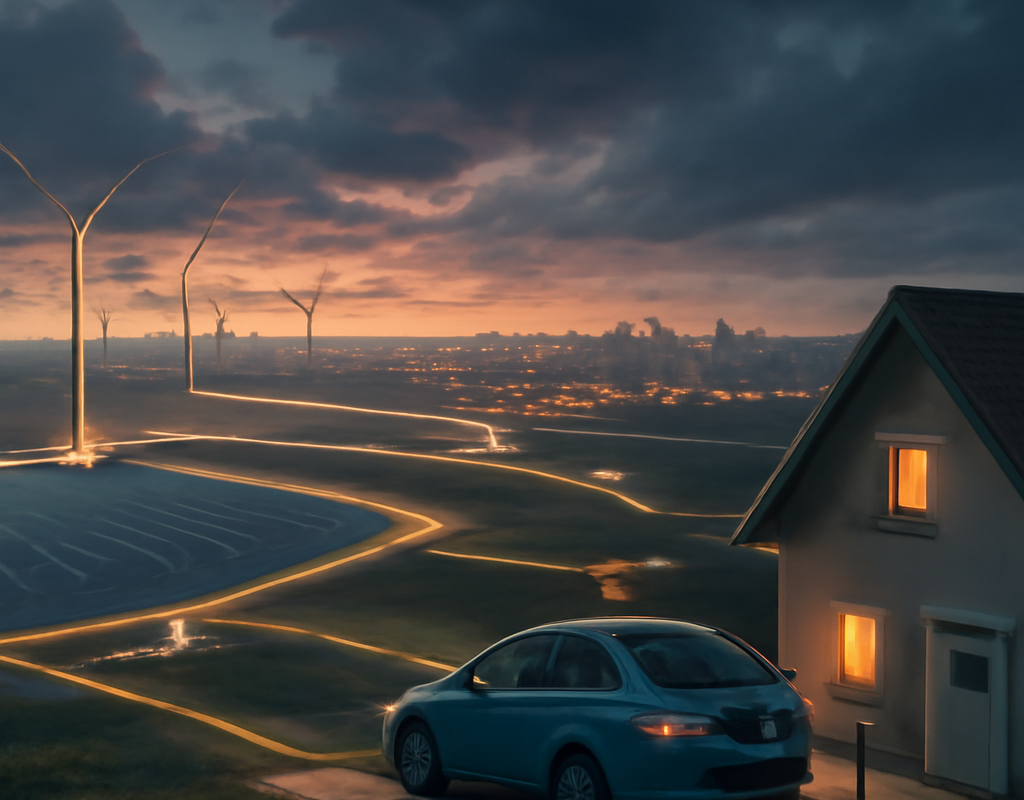
Europe’s dependence on imported fossil fuels could leave households and businesses exposed to another difficult winter, according to EU Energy Commissioner Dan Jørgensen. He said a new agreement to accelerate permits for energy infrastructure is essential if the bloc is to expand renewables, modernise its electricity grid and move faster towards electrification.
EU news: energy permits could fall from years to six months
The agreement reached by the European Parliament and the Council of the European Union is intended to simplify and accelerate approval procedures for renewable energy projects and electricity networks. Under the proposed framework, permits for most qualifying projects could be issued within six months, compared with processes that currently take five years or, in some cases, a decade.
Jørgensen described the deal as an important step towards building the infrastructure needed to use more clean electricity. Faster approvals could help developers connect renewable generation to the grid and support rising demand from electric vehicles, heat pumps and other technologies that replace oil and gas.
The agreement is not yet the end of the process. EU countries are still discussing aspects of the proposal, with differences emerging over how grid investment should be financed and distributed between member states.
Why grid expansion matters
Europe’s energy transition depends on more than installing wind turbines and solar panels. Electricity networks must also be expanded and reinforced so power can move between countries and reach homes, factories and transport systems.
Cross-border connections can help countries share electricity when supply and demand differ. Jørgensen said Europe already saves more than €30 billion each year through such connections, while arguing that further integration could deliver additional savings.
However, quicker permitting does not automatically mean lower bills. New cables, substations and distribution networks require substantial investment, and those costs will ultimately need to be paid through public funding, private finance or network charges.
Sweden raises concerns over EU grid funding
One disagreement has come from Sweden, which objected to the possibility that money collected from Swedish electricity consumers and grid operators could help finance infrastructure elsewhere in Europe.
The dispute highlights a wider challenge for EU energy policy. A more connected electricity market can improve resilience across the bloc, but the benefits and costs may not be shared equally between countries. Governments therefore face pressure to agree on funding arrangements that support European-wide infrastructure without placing an unfair burden on individual national markets.
MEP Niels Fuglsang, the European Parliament’s lead negotiator on the file, called the agreement an important step for renewable energy, grid development, climate action and EU competitiveness.
Europe’s fossil fuel vulnerability remains an immediate concern
The long-term electrification plan comes as Europe faces short-term uncertainty over energy prices. Jørgensen warned that tensions in the Middle East could continue to affect energy supplies and markets, making it difficult to predict when prices will return to normal.
Even if geopolitical conditions improve, he said prices could take months to stabilise. That warning means the new permitting deal is unlikely to ease household or business energy costs immediately. Its potential benefits depend on projects being financed, approved, built and connected over time.
The commissioner urged people to reduce exposure to fossil fuel markets by replacing gas and oil boilers with heat pumps, choosing electric vehicles and improving the energy efficiency of their homes.
Electrification as an energy security strategy
Jørgensen presented electrification not only as a climate policy but also as a way to strengthen Europe’s energy security. Renewable electricity is produced within Europe, reducing reliance on imported fuels whose prices can be affected by international conflict and supply disruption.
His argument is that combining renewable generation, efficient buildings and stronger interconnection could gradually lower the cost of energy. Yet the transition requires sustained investment and careful planning, especially as electricity demand rises.
What the agreement means for Europe
The permitting proposal is designed to remove one of the most persistent barriers to clean energy development: lengthy administrative approval. If implemented effectively, it could help:
- speed up renewable energy construction;
- bring forward electricity grid upgrades;
- support electric cars and heat pumps;
- improve cross-border electricity trading; and
- reduce Europe’s long-term exposure to oil and gas price shocks.
It will not, however, provide an instant solution to high energy prices. Financing, national disagreements and the practical delivery of major infrastructure projects remain significant obstacles.
The wider EU energy challenge
The latest EU energy developments show the tension between immediate energy security and long-term climate goals. Europe needs to protect consumers during volatile winters while investing in a system that relies less on imported fossil fuels.
The permit agreement could help unlock that transition, but its success will depend on whether governments can settle funding disputes and ensure that faster approvals are matched by construction. For now, the central message from Brussels is clear: expanding clean electricity and strengthening the grid are increasingly viewed as essential parts of Europe’s response to energy insecurity.
Key takeaway: the EU’s faster permitting plan could accelerate Europe’s clean energy shift, but it will not lower bills overnight. Grid investment, cross-border cooperation and reduced fossil fuel dependence will determine whether the policy delivers lasting energy security.