The latest EU sanctions against Russia target banks, oil refineries and the so-called shadow fleet, but questions remain over how effectively Moscow can bypass restrictions. The new package adds almost 150 individuals and entities to the sanctions list as the European Union prepares a further economic measures package later in November.
The debate is central to current EU news: sanctions have frozen substantial assets and restricted important technologies, yet trade routes through third countries and covert shipping networks continue to weaken enforcement.
What the latest EU sanctions target
EU foreign ministers have approved another package aimed at increasing pressure on Russia following its full-scale invasion of Ukraine. The measures focus on several areas of the Russian economy and sanctions-evasion system:
- Russian banks and financial entities;
- oil refineries and energy-related businesses;
- individuals and organisations linked to Moscow’s war effort; and
- vessels associated with Russia’s “shadow fleet”.
The EU has imposed restrictions on approximately 4,600 individuals and entities since 2022. More than €28 billion in private assets has also been frozen, according to the information cited in the Euronews Verify report. A 22nd economic sanctions package is expected later this month, meaning EU sanctions Russia policy is likely to remain a major part of European foreign policy.
Are EU sanctions against Russia working?
The evidence is mixed. Analysts cited in the report identify oil restrictions and controls on Western technology as among the measures that have caused the greatest damage. Limits on energy revenues affect Russia’s economy, while export controls make it harder to obtain sophisticated equipment for military production.
However, sanctions are not a complete trade blockade. Russia can still access some restricted products through countries that maintain commercial links with both Russia and the EU or other Western economies. This creates a significant enforcement challenge for European authorities.
Konstantin Egorov, an associate professor of economics at the University of Antwerp, said sanctioned goods can reach Russia through countries including Kazakhstan, Turkey, Armenia and Hong Kong. He also noted that goods may cross into Russia legally under the rules of the intermediary country, even where their eventual destination creates a sanctions concern.
The shadow fleet and oil exports
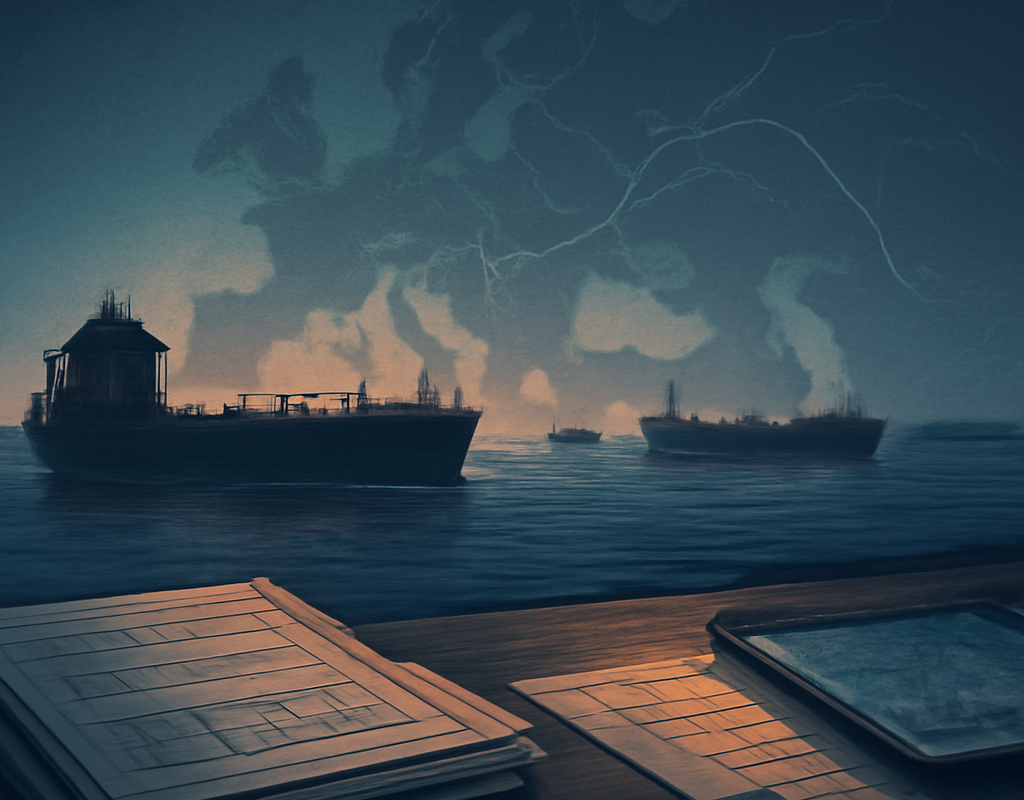
Russia’s shadow fleet is another major obstacle. The term generally refers to networks of vessels used to transport oil while avoiding restrictions connected to ownership, insurance, tracking or price controls. These ships allow Russian energy exports to continue despite European sanctions and create added difficulties for monitoring and enforcement.
Targeting vessels and companies linked to the network is intended to raise the cost of evasion. Yet the effectiveness of each measure depends on reliable identification, cooperation between jurisdictions and the ability to prevent ships, insurers and intermediaries from changing names or ownership structures.
What airline bomb threats reveal about hybrid pressure
The Euronews Verify episode also examined a wave of bomb threats affecting more than 50 flights across Europe over five days. Aircraft were diverted, fighter jets were scrambled and passengers experienced significant delays. Searches found no explosives on the aircraft involved.
There is no definitive evidence presented in the report directly linking the threats to Russia. Rhys Jones of Osprey Flight Solutions said attribution remained uncertain, although the incidents were consistent with tactics previously associated with Russian operations.
That distinction matters. An incident can resemble a known pattern without investigators having enough evidence to establish responsibility. For governments, airlines and passengers, the immediate consequences are nevertheless real: disruption, expense, heightened security measures and public anxiety.
Why disruption can serve a political purpose
Guntram Wolff, a senior fellow at Bruegel, said the threats fit a wider pattern in which infrastructure is targeted not only to create direct economic costs but also to generate political pressure. Disruption can test public confidence in institutions and expose tensions between security, civil liberties and normal economic activity.
This is part of the wider discussion around European security, hybrid threats and information campaigns. The objective may be less about causing physical damage than about creating uncertainty, amplifying disagreement and making governments appear unable to protect vital systems.
What happens next for EU sanctions policy?
The next sanctions package will be closely watched for evidence of stronger enforcement rather than simply longer lists of designated people and companies. Key questions include:
- Will the EU expand action against intermediaries in third countries?
- Can authorities improve tracking of shadow-fleet vessels?
- How effectively can customs and financial regulators share information?
- Will new measures reduce Russia’s access to advanced Western technology?
For Ireland and other EU member states, the issue is not only diplomatic. Sanctions affect customs checks, financial compliance, energy markets and efforts to support Ukraine. The central challenge is closing loopholes without creating gaps between national enforcement systems.
The wider meaning of the latest EU sanctions
The new measures show that EU sanctions remain an important instrument in Europe’s response to Russia, but they are not self-enforcing. Their impact depends on implementation across borders, cooperation with partner countries and sustained pressure on the networks that help Moscow evade restrictions.
EU sanctions against Russia can raise economic and technological costs, but closing every loophole will require more than another list of designations. Stronger enforcement, better intelligence-sharing and action against evasion networks will determine whether the policy delivers lasting pressure.