

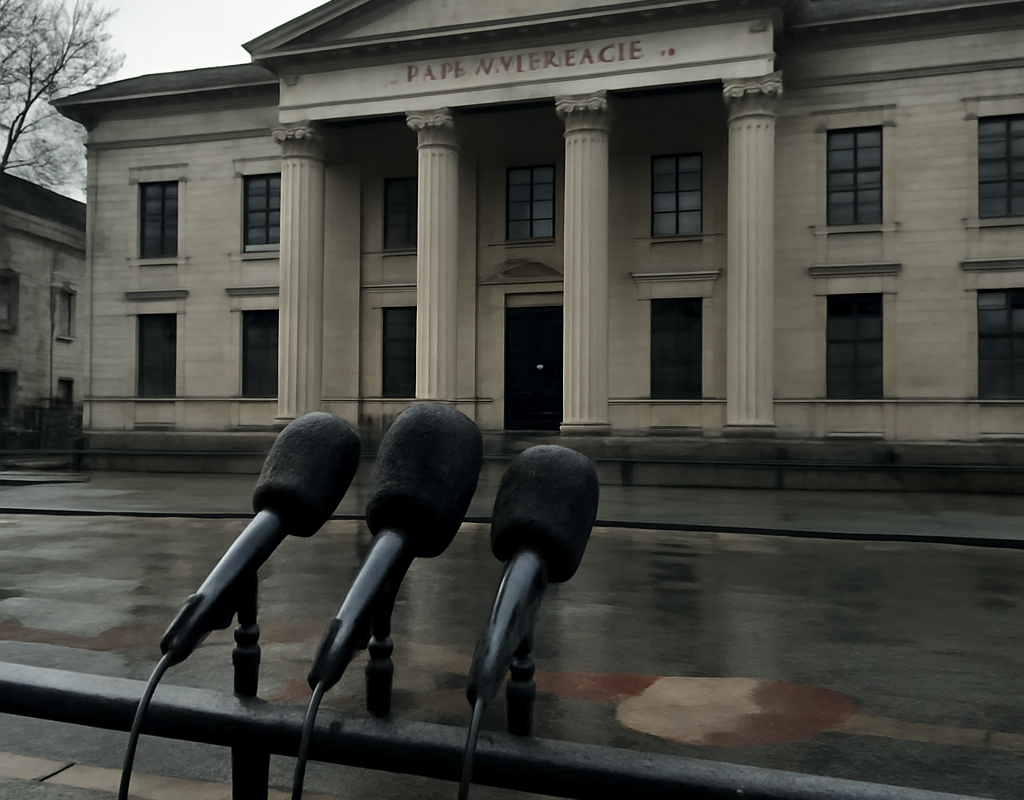
A retired senior police officer has told the Omagh Bombing Inquiry that one of the people involved in bringing the bomb to Omagh was an informer who was protected at the expense of an effective investigation. The evidence, given in Belfast on Thursday, raises fresh questions about intelligence handling, police decision-making and the long-running search for accountability after the 1998 atrocity.
What the Omagh inquiry was told
Norman Baxter, a retired detective chief superintendent, told the inquiry that he believed one of the people who transported the bomb to Omagh on the day of the attack was acting as an agent or informer.
His evidence suggests that the protection of a confidential intelligence source may have taken priority over pursuing the investigation fully. The claim is among the most significant allegations to emerge during the inquiry, which is examining the circumstances surrounding the bombing and the actions of the authorities before and after it.
The inquiry is being held at Bradford Court in Belfast. Its work is focused on establishing what was known about the threat, how intelligence was handled and whether failures by state bodies contributed to the inability to prevent the attack or secure effective accountability afterwards.
- Former senior police officer Norman Baxter gave evidence in Belfast.
- He said he believed one person who brought the bomb to Omagh was an informer.
- His evidence suggests the source may have been protected during the investigation.
- The inquiry is examining intelligence, policing and accountability linked to the bombing.
Why the evidence matters
The allegation goes to the heart of one of the central issues in the Omagh inquiry: whether information held by security and policing agencies was acted on appropriately. Informers can provide valuable intelligence, but their use also creates difficult decisions about disclosure, surveillance, arrest and prosecution.
When an intelligence source is suspected of involvement in serious criminal activity, authorities must balance the need to protect the source against the public interest in preventing harm and pursuing those responsible. Baxter’s evidence indicates that this balance may have been handled in a way that weakened the investigation.
Any final conclusions will be for the inquiry to determine after examining all available testimony and documentation. The evidence reported so far is not, by itself, a final finding of responsibility.
Background to the Omagh bombing
The Omagh bombing was one of the deadliest atrocities of the Northern Ireland conflict. The attack devastated the County Tyrone town and left lasting consequences for victims, survivors, families and the wider community.
Questions about warnings, intelligence and the response of authorities have remained unresolved for decades. The inquiry provides a formal setting in which witnesses can address those concerns and where records can be tested against other evidence.
For families affected by the bombing, the proceedings are not simply a historical exercise. They concern whether opportunities were missed, whether information was withheld or mishandled, and whether the state responded properly to the threat.
Intelligence sources and police investigations
The use of informers is a longstanding feature of investigations into organised crime and terrorism. Sources may operate close to suspected groups, allowing police or intelligence agencies to gather information that would otherwise be inaccessible.
However, source-handling arrangements can create serious risks. Investigators may face restrictions on what they can reveal, while prosecutors may need to assess whether evidence can be used in court without exposing an informant. Those complications become especially serious when a source may also have been involved in the offence under investigation.
The inquiry’s examination of these issues may help clarify:
- What information agencies held before the bombing;
- Whether warnings were assessed and shared effectively;
- How alleged informers were managed;
- Whether investigative decisions were influenced by the protection of intelligence sources; and
- Why accountability remained difficult after the attack.
Follow further Ireland News coverage as the inquiry hears additional evidence about policing, intelligence and public accountability.
What happens next?
The inquiry is expected to continue hearing evidence from people with knowledge of policing, intelligence operations and the investigation into the bombing. Documents and testimony may be considered alongside Baxter’s account before any conclusions are reached.
Because the proceedings are ongoing, important details may still be disputed or clarified. Readers should distinguish between evidence given by individual witnesses and findings formally reached by the inquiry.
Frequently asked questions
What was the main claim made to the inquiry?
Norman Baxter said he believed one of the people who brought the bomb to Omagh was an informer or agent, and that the person was protected at the expense of an effective police investigation.
Where is the Omagh Bombing Inquiry being held?
The inquiry is being held at Bradford Court in Belfast.
Has the inquiry reached a final conclusion?
No. The proceedings are continuing, and evidence from individual witnesses does not constitute a final finding by the inquiry.
Why is informer protection relevant?
Protecting an intelligence source can affect how evidence is gathered, shared and used in a prosecution. The inquiry is examining whether such protection affected the investigation into the Omagh bombing.
Conclusion
The latest evidence to the Omagh Bombing Inquiry has placed the handling of an alleged informer at the centre of renewed scrutiny. Baxter’s claim, if supported by further evidence, could have major implications for understanding how intelligence was managed and why the investigation failed to deliver the level of accountability sought by victims’ families. The key takeaway from this Breaking News report is that the inquiry remains active, and its eventual findings—not individual testimony alone—will determine what happened and who may bear responsibility.