

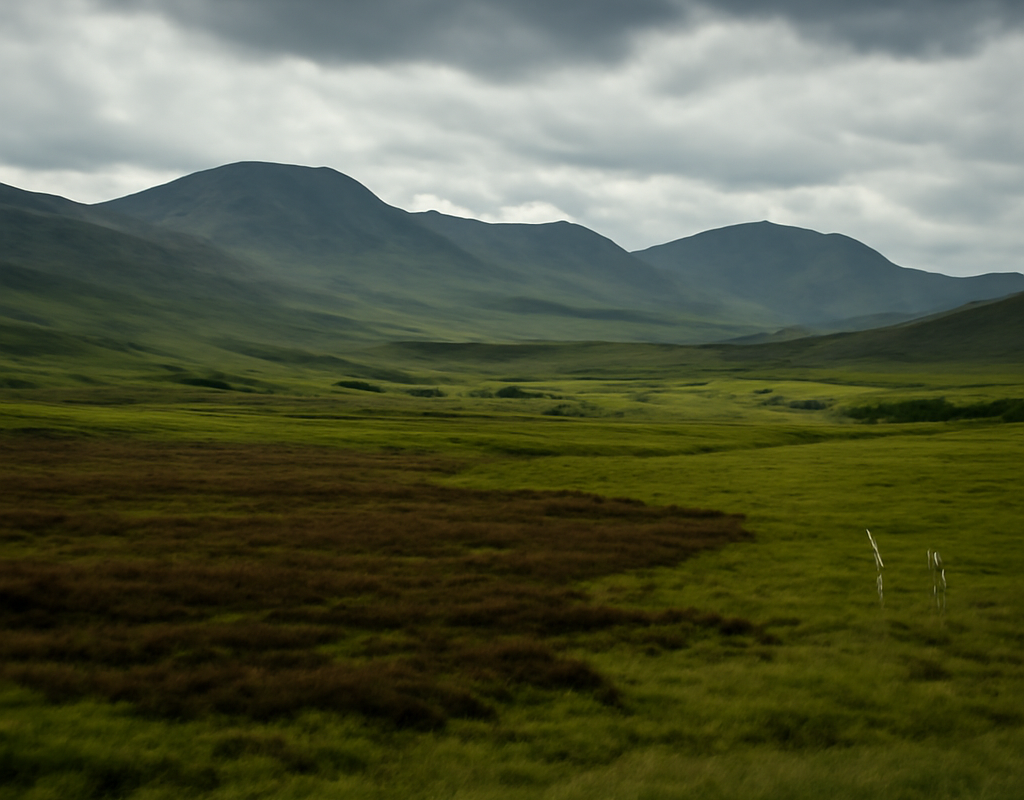
The public inquiry into Dalradian Gold’s proposed mine in the Sperrin Mountains has formally closed after 52 days of evidence. The case has attracted intense opposition because of potential impacts on protected waterways, peatland, nearby communities and the wider landscape of Northern Ireland.
What happened at the Sperrin Mountains gold mine inquiry?
The Planning Appeals Commission (PAC) has finished examining the application for a proposed gold, silver and copper mine near Greencastle in County Tyrone. The inquiry began at Omagh’s Strule Arts Centre in April after two earlier attempts to start the process did not proceed.
Proceedings were initially expected to last 20 days, but the schedule was extended as commissioners worked through thousands of pages of technical, environmental and planning evidence. More than 300 hours of discussion were heard during the examination.
The commission will now assess the evidence and prepare a report for the Northern Ireland Department for Infrastructure. That report is expected by February 2028. The inquiry’s conclusion does not mean planning permission has been granted.
Key facts
- The inquiry examined a proposed mine in the Sperrin Mountains Area of Outstanding Natural Beauty.
- Dalradian plans a mine operating for about 20 to 25 years.
- The proposal covers gold, silver and copper extraction.
- The Planning Appeals Commission is due to report to the Department for Infrastructure by February 2028.
Why the mine proposal is controversial
Dalradian Gold has been pursuing the project for approximately 17 years. The proposal has generated almost 50,000 objections, according to figures cited during the reporting of the inquiry.
Supporters argue that the development could create jobs and strengthen the local economy. The company has said the mine could employ about 350 people and deliver economic benefits to the surrounding area.
Opposition has come from Fermanagh and Omagh District Council, the Save Our Sperrins campaign and An Taisce, among others. Critics have raised concerns about possible water pollution, blasting, heavy traffic, air quality, landslides, biodiversity and effects on tourism.
The planned site is also close to community facilities and heritage locations. Evidence examined by the inquiry addressed the potential effect of daily blasting on a school, nursery and GAA club located just over a kilometre away, as well as historic churches and cemeteries.
Environmental concerns at the centre of the case
Some of the most significant issues involve water and peatland. The application includes proposals relating to the discharge of potential pollutants into waterways that support protected species, including Atlantic salmon and freshwater pearl mussels.
The inquiry also considered plans to excavate peatland. Peatlands are important carbon stores and are the subject of conservation and restoration policies because damaged peat can release greenhouse gases and affect water quality.
Dalradian has said it would process material on site and that it no longer intends to use cyanide, although references to cyanide remain in the planning application. The company also acknowledged that its proposed use of ammonium nitrate explosives could add nitrate pollution to waterways that are already failing to meet environmental standards.
Read More
For further coverage of public services, planning and environmental issues, visit DailyDigest Ireland.
How much material would the mine extract?
According to evidence presented to the inquiry, Dalradian’s proposal involves processing about 8.7 million tonnes of material to recover an estimated 99 tonnes of gold, 48 tonnes of silver and 15,000 tonnes of copper over the mine’s planned lifetime.
The company said extraction could involve 16 blasts each day, carried out in two separate periods. It proposed using approximately 44,000 tonnes of ammonium nitrate explosives during the project.
The scale of the operation has intensified debate about noise, vibration, transport and emergency planning. Estimates presented by third parties suggested that police escorts for explosive deliveries could cost the Police Service of Northern Ireland up to £3 million annually, although no official figure was provided and the PSNI did not participate in the inquiry.
Economic case and Crown Estate interest
Dalradian has described the mine as an environmentally responsible project with the potential to recover metals valued at about £26 billion. The company has also argued that employment and supply-chain activity would support the local economy.
The inquiry heard that the Crown Estate owns the gold and silver beneath Northern Ireland and has licensed Dalradian. If the project is approved, the Crown Estate would receive a share of annual gold sales under the arrangement discussed during proceedings.
Opponents have questioned whether the potential economic return outweighs the long-term environmental and community risks. That balance will be among the issues the commission must consider in its report.
What happens next?
- The Planning Appeals Commission will review the evidence submitted during the 52-day inquiry.
- Commissioners will prepare recommendations for the Department for Infrastructure.
- The department is expected to receive the report by February 2028.
- A final decision on the planning application will follow the department’s consideration of the commission’s findings.
The inquiry itself was not recorded with an official transcript. Hearings also included several disruptions, with police called on more than one occasion and some participants excluded from proceedings as commissioners sought to maintain control of the auditorium.
Frequently asked questions
Has the gold mine been approved?
No. The public inquiry has ended, but the planning decision has not yet been made.
Where would the mine be located?
The proposed Greencastle mine would be located in the Sperrin Mountains area of County Tyrone, in Northern Ireland.
When will a decision be made?
The Planning Appeals Commission is expected to report to the Department for Infrastructure by February 2028. The timing of the final planning decision will depend on the department’s consideration of that report.
Why are waterways important in the debate?
Evidence focused on possible pollution affecting connected waterways and protected species, including Atlantic salmon and freshwater pearl mussels. Water quality is therefore a central environmental issue in the application.
Why the inquiry matters
The end of the hearings marks an important stage in one of Northern Ireland’s most contested planning cases. The decision will have implications beyond the proposed mine, including how large-scale extraction projects are assessed in protected landscapes and how economic claims are weighed against environmental obligations.
For residents, campaigners and supporters of the development, attention now turns to the commission’s report and the Department for Infrastructure’s eventual decision. Until then, the future of the Sperrin Mountains mine remains unresolved.
The key takeaway is clear: the evidence-gathering phase is over, but the debate over the proposed mine—and its potential consequences for Northern Ireland’s communities, waterways and peatlands—is not.