

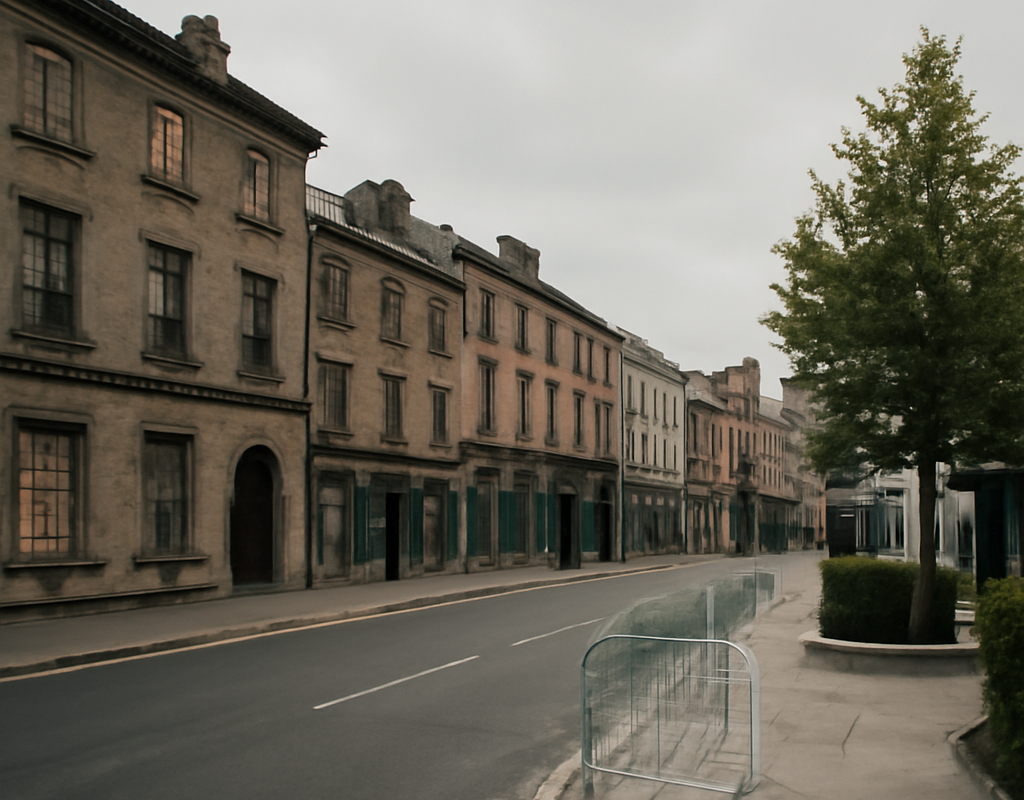
Cork inner city is facing renewed scrutiny over dereliction and neglect, raising questions about vacant buildings, urban regeneration and the future of key city-centre streets. The issue matters not only to property owners and businesses, but also to residents, visitors and Cork City Council as efforts continue to create a more active and sustainable urban centre.
What is happening in Cork inner city?
Concerns about neglected and derelict properties in Cork are once again at the centre of public discussion. Empty buildings can have a visible impact on streetscapes, reduce footfall and contribute to a sense that parts of the city are not being used to their full potential.
Dereliction is not limited to buildings that are visibly unsafe. A property may be vacant, poorly maintained or underused for long periods before it reaches the point where formal intervention becomes necessary. In a city centre, that inactivity can affect neighbouring shops, residents and local investment.
The wider debate forms part of a national conversation about vacant commercial units, housing supply, planning enforcement and the role of local authorities in bringing unused buildings back into productive use.
Why dereliction matters for Cork
Urban neglect can create a series of connected problems. Buildings that remain empty for years may deteriorate, while surrounding streets can lose activity outside peak business hours. That can make it harder for independent retailers, hospitality venues and community services to attract customers.
For residents, neglected properties can affect the appearance and liveability of an area. For property owners, bringing a building back into use may involve complex issues such as ownership, finance, planning permission, conservation requirements and construction costs.
The consequences can include:
- Reduced commercial activity and footfall
- Pressure on neighbouring properties and businesses
- Loss of potential homes or workspaces
- Higher maintenance and renovation costs over time
- Greater concern about safety, accessibility and the public realm
How local authorities can respond
Cork City Council has several tools available when dealing with vacant or neglected properties. Depending on the circumstances, these may include inspections, engagement with owners, enforcement measures, vacant-site processes and wider regeneration schemes.
Local authorities must balance the need for action with legal and practical constraints. Establishing ownership, serving notices, addressing appeals and securing funding can all take time. Protected structures and buildings in historic areas may also require specialist conservation work.
That means visible change is not always immediate, even when a property has attracted long-standing public concern. Effective regeneration generally requires coordination between the council, owners, residents, traders and national agencies.
Follow further Ireland News and Cork developments through DailyDigest.
Vacancy, housing and city-centre renewal
The discussion about Cork’s inner city is also linked to Ireland’s housing and planning challenges. Converting suitable upper floors or vacant buildings into homes could support city-centre living, but not every empty property can be easily adapted.
Buildings may have structural defects, limited natural light, restricted access or layouts that do not meet modern standards. Commercial-to-residential conversion can also require planning approval, fire-safety upgrades, disability access improvements and significant investment.
Even so, the potential benefits are substantial. More people living in the city centre can support local shops, cafés, public transport and community activity throughout the day and evening. Regeneration can also protect architectural character while giving older buildings a practical new role.
What happens next?
The next stage will depend on the specific properties involved, the response of owners and the actions taken by the local authority. Public attention can encourage progress, but long-term solutions typically require clear responsibility, realistic funding and transparent timelines.
Readers who want to track developments should monitor:
- Updates from Cork City Council and local planning records
- New regeneration or public-realm proposals
- Changes involving vacant-site or derelict-site measures
- Planning applications connected with redevelopment
- Local business and community responses
Frequently asked questions
What is the difference between a vacant and derelict property?
A vacant property is generally unused, while dereliction refers to a more serious condition involving neglect, deterioration or other factors that can harm an area. The legal treatment depends on the circumstances and relevant legislation.
Can Cork City Council force a building to be renovated?
The council may use statutory powers in appropriate cases, but the process depends on ownership, condition, legal notices, planning requirements and any appeals. It is not an instant remedy.
Could empty Cork buildings become homes?
Some may be suitable for residential conversion, but each building must meet planning, building-control, fire-safety and accessibility requirements. Costs and structural limitations can make some projects difficult.
Why does this matter beyond Cork?
Cork’s experience reflects a wider Ireland-wide challenge involving vacant buildings, city-centre vitality, housing demand and the future of urban communities.
The wider picture for Cork
The condition of inner-city buildings is about more than appearance. It affects how people experience Cork, how businesses operate and whether the city can make full use of existing infrastructure. Tackling dereliction can support economic activity, protect heritage and improve confidence in urban neighbourhoods.
However, lasting progress will require more than isolated clean-ups. A successful response should combine enforcement with incentives, housing policy, conservation expertise, public-realm investment and meaningful engagement with local communities.
The key takeaway is clear: Cork’s dereliction challenge will not be solved by attention alone, but sustained action on vacant and neglected properties could play an important role in revitalising the inner city.