

A former Naval Service cadet told the Defence Forces Tribunal that she did not report an alleged sexual assault because she feared being labelled a troublemaker and facing repercussions. Her evidence forms part of an inquiry into allegations of sexism, bullying and failures in how sexual assault complaints were handled within the Defence Forces.
What happened at the tribunal?
The woman, identified only as Ms A, gave evidence from behind a screen after the tribunal granted her anonymity. She described experiences during her time in the Naval Service in the late 1990s and early 2000s, including alleged unwanted sexual contact, sexualised comments and concerns about reporting misconduct.
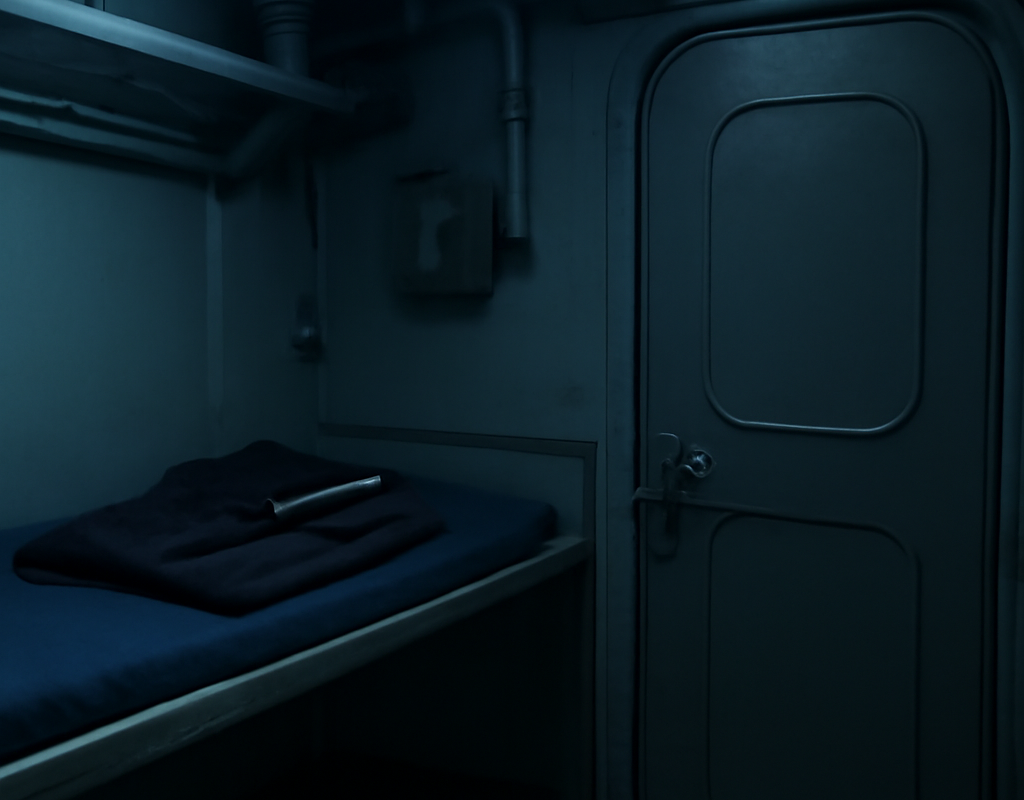
She told Judge Ann Power that she was on board an Irish naval vessel when a crew member entered her cabin. According to her evidence, she woke to find the man partly in her bed and her pyjama bottoms pulled down.
Ms A said she had been drinking earlier that evening and decided not to make a formal complaint. Explaining the pressure she felt as a young cadet, she said: “I was a cadet – you don’t rock the boat.”
Fear of being seen as a troublemaker
Ms A said she asked for a lock on her cabin door after the incident. Instead of being given a lock immediately, she was moved to another cabin that had one. She did not tell her superiors why she had requested the security measure.
She also described an alleged incident on the same vessel in which a crew member grabbed her from behind on several occasions and put his tongue in her ear. On another ship, she said a non-commissioned officer repeatedly made sexually inappropriate comments, including questions about her underwear and remarks about intimate hygiene.
Ms A told the tribunal that the same officer made similar comments to other female officers. Asked why she had not complained, she said she did not believe she could do so without drawing attention to herself.
- Ms A said she feared being labelled a troublemaker if she reported alleged misconduct.
- She described alleged sexual contact and repeated sexualised remarks while serving as a cadet.
- She said cadets believed using support services could lead to repercussions.
- The tribunal is examining wider allegations concerning the treatment of women in the Defence Forces.
Pregnancy and concerns about military service
During her time studying at university as a naval cadet, Ms A became pregnant. She told the tribunal that senior officers were unhappy and that there had been talk of charging her with conduct unbecoming.
Under cross-examination, she acknowledged that no person in authority had directly told her that becoming pregnant amounted to conduct unbecoming. She said the concern had circulated as a rumour around military bases at the time.
Ms A said she had hoped to transfer to the Army or Air Corps because she believed those services might be more accommodating for family life. She also said she was advised not to make a complaint.
She eventually left the Naval Service after paying a large five-figure sum to secure her release, with financial assistance needed to do so. She told the tribunal that she did not enjoy her service and later received counselling.
Claims of bullying and isolation
Ms A also described feeling bullied and isolated by members of her cadet class. She said she approached the officer responsible for overseeing her training and became upset while speaking to him.
According to her evidence, the officer initially appeared sympathetic but then suggested that she was in the wrong job if she could not cope with the pressure, or words to that effect. She said he also prevented her from approaching her class officer.
The officer, who has since retired, denied that the conversation took place. He told the tribunal that, if it had happened, he would have referred Ms A to the Personnel Support Service, which he said dealt firmly with complaints.
He also alleged that Ms A had taken another cadet’s boots but said he chose not to report the matter because the cadetship was nearly finished. Ms A denied stealing from anyone during her service.
Tribunal follows Women of Honour allegations
The Defence Forces Tribunal was established after the 2021 RTÉ Radio documentary Women of Honour, which raised allegations of sexism, bullying and inadequate investigations into sexual assault complaints within the Defence Forces.
Ms A said there was a general belief among cadets that using the Personnel Support Service could result in repercussions or a finding that a person was medically unfit for service. Her evidence reflects the tribunal’s wider examination of whether workplace culture and reporting systems discouraged personnel from raising concerns.
The claims remain matters for the tribunal to assess. Evidence from Ms A and the retired officer differs on several points, and the tribunal has not yet issued findings on the allegations.
What happens next?
The tribunal will continue hearing evidence before Judge Ann Power. Its eventual findings may help establish what happened in individual cases and whether broader problems affected the treatment of women who served in the Defence Forces.
For readers following Irish News and Breaking News Ireland, the case is significant because it concerns accountability, complaint procedures and the safety of personnel in a disciplined military organisation. Any conclusions will depend on the full body of evidence presented during the hearings.
Frequently asked questions
Why was the cadet not identified?
The tribunal has imposed reporting restrictions protecting Ms A’s identity. She gave evidence from behind a screen.
Why was the tribunal established?
It was established after the 2021 Women of Honour documentary raised allegations about sexism, bullying and the handling of sexual assault complaints in the Defence Forces.
Have the allegations been proven?
No. The evidence is being assessed by the tribunal, and the allegations remain unproven unless and until findings are made.
Conclusion
The former cadet’s testimony has placed fear of stigma and possible repercussions at the centre of the tribunal’s examination of military culture. Her account, alongside the denials and alternative evidence heard, will form part of the tribunal’s wider assessment of how complaints were handled in the Defence Forces. This remains a developing story and further Latest Irish News updates are expected as the hearings continue.