

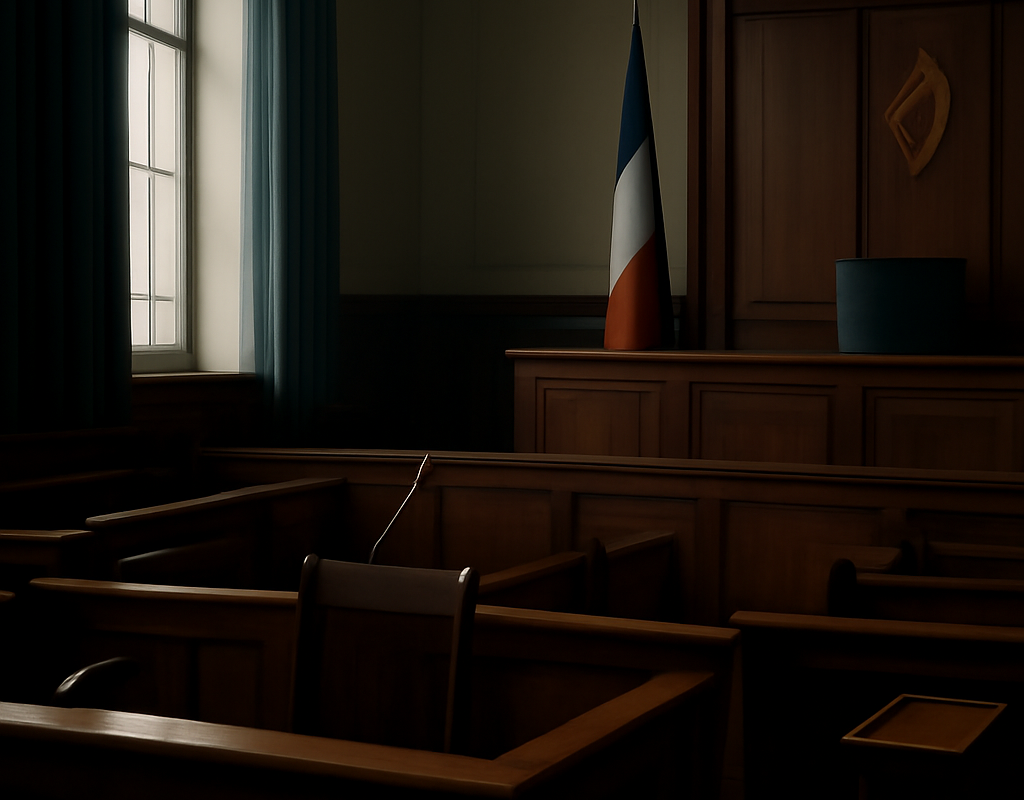
A naval cadet did not report an alleged sexual assault because she feared being labelled a troublemaker, the Defence Forces Tribunal has heard. Her evidence has renewed attention on the culture surrounding complaints, reporting procedures and the treatment of women serving in Ireland’s Defence Forces.
What the tribunal heard
The tribunal was told that the cadet, referred to as Ms A, believed making a formal complaint could damage her standing within the organisation. She described herself as a cadet who did not want to “rock the boat”, according to evidence reported in the case.
Her account forms part of proceedings examining allegations of sexism, bullying and shortcomings in the handling of alleged sexual assaults within the Defence Forces. The tribunal is considering evidence linked to wider concerns about how complaints were received, investigated and followed up.
The hearing does not represent a final finding on every allegation. Testimony presented to a tribunal remains subject to assessment, and conclusions will depend on the full body of evidence.
Why the case matters in Ireland News
The proceedings are taking place against the background of the 2021 Women of Honour documentary broadcast by RTÉ Radio. That programme brought allegations from former and serving members of the Defence Forces into the public domain, including claims of harassment, bullying and institutional failures.
The resulting public debate raised questions about whether personnel felt safe reporting misconduct, whether complaints were investigated independently and whether complainants received adequate support. Those issues remain central to discussions about reform, accountability and leadership in military organisations.
For people following the Latest Irish News, the tribunal is significant because it offers a formal setting in which testimony about the Defence Forces’ internal culture can be examined. It also highlights the difference between having a complaints process on paper and ensuring that personnel believe they can use it without professional or social consequences.
- A naval cadet said she did not report an alleged sexual assault.
- She told the tribunal she feared being viewed as a troublemaker.
- The hearing follows wider allegations raised by the Women of Honour documentary.
- The tribunal’s proceedings are ongoing and do not amount to a final determination of all claims.
How the Defence Forces Tribunal emerged
The tribunal was established after the 2021 documentary prompted renewed scrutiny of the Defence Forces. Its work is intended to examine relevant allegations and the circumstances in which they arose, including the response to complaints made by members of the organisation.
Military workplaces can present particular barriers to reporting. Cadets and junior personnel may depend on senior structures for training, assessments, references and career progression. That hierarchy can make a complainant worry about being isolated, losing opportunities or being perceived as disloyal, even where formal protections exist.
The evidence heard in this case places that concern directly before the tribunal. Ms A’s stated fear was not simply about the alleged incident itself; it was also about how speaking out might affect her place within a close-knit and rank-based institution.
Questions raised about reporting and support
Cases involving alleged sexual assault often turn not only on what happened, but also on why a complaint was delayed or never made. A person may fear retaliation, disbelief, embarrassment or damage to their career. The absence of an immediate report cannot, by itself, establish what did or did not occur.
That context is important when assessing evidence. Organisations must provide clear routes for reporting, confidential advice and access to appropriate support. They must also ensure that personnel understand how complaints are handled and whether investigations are independent from the chain of command involved.
The tribunal’s examination may therefore have implications beyond the individual testimony. It could inform public discussion about:
- the independence of military investigations;
- protections for complainants and witnesses;
- the role of commanding officers;
- support for serving and former personnel; and
- measures to prevent retaliation or informal pressure.
What happens next?
The tribunal will continue to hear evidence before reaching its findings. Further testimony and documentation may provide additional information about the alleged incident, the reporting environment and the Defence Forces’ response to concerns raised by personnel.
Until the process is complete, it is important to distinguish between allegations, evidence and confirmed findings. The tribunal’s eventual conclusions will be closely watched by current and former members of the Defence Forces, political representatives and organisations concerned with workplace safety and sexual violence.
Frequently asked questions
What is the Defence Forces Tribunal examining?
It is examining allegations connected with sexism, bullying and the handling of alleged sexual assaults within Ireland’s Defence Forces.
Why did the cadet say she did not report the alleged assault?
She told the tribunal that she feared being labelled a troublemaker and did not want to “rock the boat”.
Does the testimony prove the allegation?
No. Testimony is part of the tribunal’s evidence. Any final conclusions will depend on the full proceedings and findings.
What prompted the tribunal?
The tribunal followed the 2021 RTÉ Radio documentary Women of Honour, which raised allegations about treatment of women and the handling of complaints in the Defence Forces.
Follow further Ireland Headlines and public-service developments through the DailyDigest network’s ongoing news coverage.
Conclusion
The cadet’s evidence places the fear of being branded a troublemaker at the centre of a wider debate about trust, hierarchy and accountability in Ireland’s Defence Forces. As the tribunal continues, its findings may help clarify whether existing systems gave personnel a safe and credible way to report serious allegations. For readers tracking Breaking News Ireland, the next stage will be the tribunal’s further evidence and eventual conclusions.