

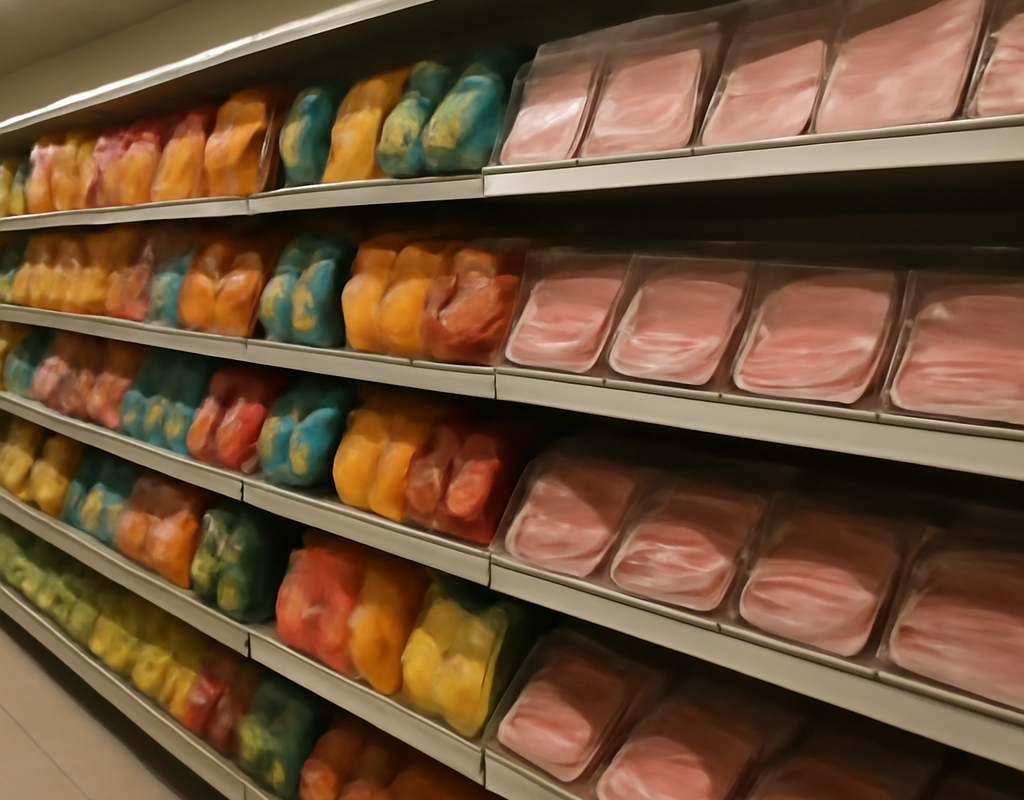
Breaking News: The European Union is moving to restrict the use of several smoke flavourings found in foods including crisps, cooked ham and rashers. The proposal has raised questions for Irish shoppers, food producers and retailers about how familiar smoky flavours could change if the measures take effect.
What is happening?
The European Commission is proposing restrictions on smoke flavourings used to give food a smoky taste without traditional smoking. The products affected can include snacks, processed meats and other foods where smoke flavouring is added during manufacturing.
The move follows safety concerns linked to the substances used to create these flavour profiles. Smoke flavourings are assessed under EU food-safety rules, and any change to their authorisation can have consequences across all member states, including Ireland.
Why the EU is reviewing smoke flavourings
Smoke flavourings are not the same as food smoked in a traditional smokehouse. They are produced from condensed smoke and added to products to create or strengthen a smoky taste. Manufacturers use them because they can provide a consistent flavour and may be easier to apply at industrial scale.
EU regulators have been examining whether certain smoke flavourings can continue to be used safely. The review reflects the European Union’s precautionary approach to food additives and processing aids, particularly where scientific assessments identify potential concerns that require further regulatory action.
Foods that could be affected
The impact would depend on the final rules and the specific authorisations involved. Products that may need reformulation or updated manufacturing processes include:
- Some crisps and savoury snacks
- Cooked ham and other processed meats
- Rashers and bacon-style products
- Smoked-flavour sauces, seasonings and ready meals
- Other foods marketed with a smoky taste
This does not mean that every product in these categories contains smoke flavouring. Some foods are traditionally smoked, while others use a flavouring ingredient. Consumers would need to check product labels for the relevant ingredient information.
What could change for Irish consumers?
For shoppers, the most noticeable change could be taste rather than an immediate removal of products from shelves. Manufacturers may reformulate recipes, use traditional smoking methods or replace a restricted flavouring with another permitted process.
Packaging may also change as companies update ingredient lists and product descriptions. Depending on how businesses manage the transition, some products could be temporarily unavailable or appear under slightly different formulations.
The proposal is not a blanket ban on smoked food. It concerns specific smoke flavourings and the conditions under which they may be used. Traditional smoking remains a separate production method, subject to applicable food-safety and labelling requirements.
Read More
Follow DailyDigest for further Ireland News, consumer updates and public-health developments.
What happens next?
The EU process involves regulatory consideration before any new requirements become applicable. If restrictions are adopted, food companies are generally given time to adjust recipes, production methods, supply contracts and labelling.
The final timetable will depend on the legal measure adopted and any transitional arrangements. Irish businesses selling products across the EU may need to review their formulations and manufacturing documentation, while retailers could receive updated information from suppliers.
Until the process is completed, consumers should not assume that all smoky-flavoured foods are affected. The exact list of products and the relevant transition period will depend on the final decision.
What does this mean for food producers?
Food manufacturers could face several practical challenges if affected flavourings are withdrawn or restricted. Recipe changes may require new testing to ensure that taste, texture, shelf life and allergen information remain accurate.
Producers may also need to assess whether alternative ingredients are legally authorised for the same use. For smaller Irish food businesses, reformulation and packaging updates could create additional costs, although the effect will vary by product and supply chain.
The issue also highlights the difference between a product’s marketing description and its manufacturing method. A food described as “smoky” is not necessarily traditionally smoked, making the ingredient list the most reliable source for consumers seeking more detail.
Frequently asked questions
Are crisps and rashers being banned?
No. The proposal concerns certain smoke flavourings, not all crisps, rashers or processed meats. Individual products may be reformulated if they rely on a flavouring covered by the final rules.
Will all smoked foods disappear?
No. Traditional smoking and the use of smoke flavourings are different processes. The measures relate to specified flavouring substances and their authorised uses.
How can shoppers check whether a product is affected?
Consumers can review the ingredient list and product information on packaging. If a recipe changes, manufacturers should update the label in line with EU food-information requirements.
When will the changes take effect?
The timing depends on the EU’s final decision and any transition period. Businesses and consumers should wait for confirmed regulatory details rather than relying on assumptions about individual brands.
Why this matters in Ireland
The EU’s food rules apply directly to the Irish market, so any final restrictions could affect products sold in supermarkets, convenience stores and food-service outlets. The change may be most visible in processed foods where smoky flavour is part of the product’s identity.
For now, the key point is that the proposal is a regulatory review, not an immediate nationwide withdrawal of crisps, ham or rashers. Further information from EU institutions, national food-safety authorities and manufacturers will clarify which products are affected and how long businesses have to adapt.
Key takeaway
The EU is considering restrictions on certain smoke flavourings used in foods such as crisps, ham and rashers. Irish consumers are unlikely to see every smoked-style product disappear, but some recipes, labels and flavours could change if the proposal is approved. Watch for official updates before making assumptions about specific brands or products.