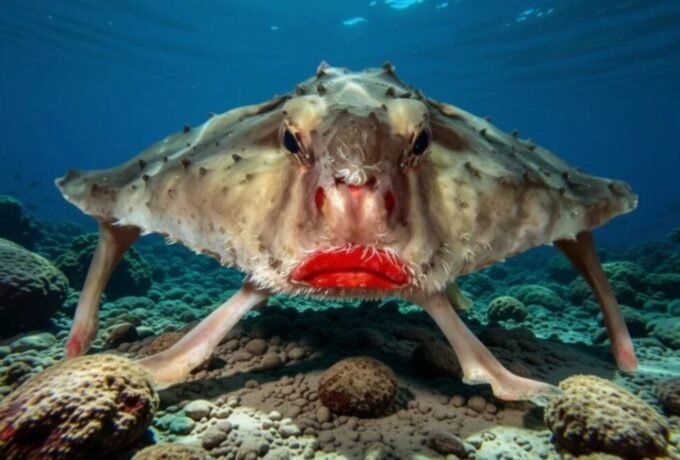
Genetics can sound like a subject confined to laboratories, microscopes and complex medical diagrams. Yet molecular genetics is visible in familiar sights, from a tortoiseshell cat’s coat and a seedless watermelon to autumn leaves and a nectarine’s smooth skin.
These examples show how chromosomes, gene activity, mutations and inherited traits shape the living world around us. Here are 10 approachable examples of molecular genetics hiding in plain sight.
10 Everyday Examples of Molecular Genetics
1. Tortoiseshell cats and X-chromosome inactivation
Tortoiseshell, or “tortie”, cats usually have orange and black patches because the relevant coat-colour genes are carried on the X chromosome. Female cats generally have two X chromosomes. Early in development, each cell randomly switches off one X chromosome, and that choice is inherited by the cell’s descendants. Different groups of cells therefore produce different colours, creating the mottled pattern.
Male tortoiseshell cats are uncommon and usually have an additional X chromosome, an XXY arrangement associated with Klinefelter syndrome. Such males are typically sterile.
2. Seedless watermelons and chromosome sets
Seedless watermelons are triploid plants, carrying three sets of chromosomes rather than the usual two. This uneven number makes it difficult for them to produce viable reproductive cells, so mature seeds do not develop normally.
Growers create triploid plants by crossing a tetraploid plant with a diploid one. Seedless varieties still need nearby seeded watermelons for pollination and fruit production. The small pale flecks sometimes found inside the fruit are undeveloped seed coats.
3. Labrador coat colours
Black, yellow and chocolate Labradors demonstrate epistasis, where one gene affects the expression of another. One gene helps determine whether pigment is black or brown, while a second controls whether pigment is deposited in the fur at all.
When a Labrador inherits two recessive copies of the pigment-deposition variant, the result is a yellow coat, masking the black-or-brown outcome of the other gene. Genetic ratios describe particular crosses, not the guaranteed outcome of every litter.
4. Spotted and striped corn kernels
Some colourful corn kernels owe their patterns to transposable elements, sometimes called “jumping genes”. These mobile DNA sequences can interrupt a pigment gene and later move away from it in certain cells.
When pigment production resumes, the affected cells and their descendants form coloured patches. An early change creates a larger patch, while a later change produces a smaller spot.
5. GloFish fluorescence
GloFish glow because researchers introduced genes for fluorescent proteins into zebrafish eggs. The first fluorescent zebrafish were developed as potential pollution indicators, while commercial GloFish were designed to fluoresce continuously.
The inserted DNA becomes part of the fish’s genome and can be inherited by later generations. The first GloFish went on sale in the United States in 2003.
6. Moles and somatic mutations
Some acquired moles develop when genetic changes cause melanocytes, the cells responsible for pigment, to multiply and cluster. A change in the BRAF gene is involved in many benign moles.
These are somatic mutations, meaning they arise in body cells rather than being inherited through reproductive cells. Most moles are harmless, but a spot that changes in size, shape or colour should be assessed by a medical professional.
7. Moss and haploid life cycles
The familiar green moss plant is haploid, carrying one set of chromosomes. Its gametophyte produces sex cells, while a diploid sporophyte grows from it and produces spores.
This life cycle provides a clear example of how chromosome number influences gene expression. In a haploid plant, a gene variant is not paired with a second allele in the same way it is in most human cells.
8. Suntans and MC1R
Ultraviolet radiation triggers increased melanin production, giving the skin a darker appearance after sun exposure. Genes influence how strongly this response occurs, including MC1R, which helps regulate pigment type and the skin’s response to UV-related DNA damage.
Some MC1R variants are associated with fair skin, red hair and reduced tanning ability. A tan is still a response to UV exposure that can damage DNA.
9. Autumn leaves
Autumn colour is caused by changes in gene activity rather than a seasonal rewrite of the genetic code. As daylight decreases, leaves stop producing as much chlorophyll and break down existing chlorophyll.
This reveals yellow and orange carotenoids. Some leaves also produce red anthocyanins, creating the vibrant mixture associated with autumn.
10. Nectarines and smooth skin
Nectarines are smooth-skinned peaches. Their lack of fuzz is linked to a recessive mutation affecting the PpeMYB25 gene, which helps control the development of tiny fruit hairs.
A nectarine inherits two copies of the recessive variant. The altered gene affects both hair development and the fruit’s waxy outer layer, producing its characteristic smooth, shiny skin.
Why These Examples Matter
These ordinary sights reveal that molecular genetics is not limited to advanced laboratories. It helps explain animal colour patterns, crop production, plant life cycles, seasonal change and familiar differences in fruit and skin.
The key lesson is that genes operate through interacting systems. A single mutation, chromosome arrangement or change in gene activity can have a visible effect, while the result still depends on the wider biology of the organism.
The Takeaway
From tortoiseshell cats to fall leaves, molecular genetics is working in plain sight every day. Understanding these examples makes genetics less mysterious and shows how microscopic changes can produce the visible traits we recognise in the world around us.