


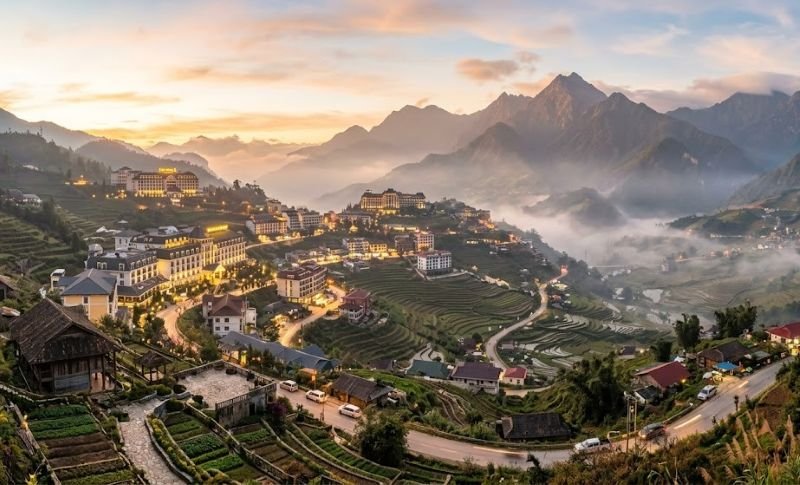
Vietnam travel is taking on a new identity, and it is happening on the rails. A growing spotlight is now falling on a long-form railway route through Hanoi, Ninh Binh, Hue, Hoi An, Nha Trang and onward to Ho Chi Minh City, offering visitors a more meaningful way to experience the country beyond rushed city breaks and airport transfers.
This evolving travel model points to a wider shift in global tourism. Instead of chasing packed itineraries, more travellers are prioritising cultural depth, sustainability and slower, more reflective journeys. In Vietnam’s case, rail is no longer just transportation. It is becoming part of the destination experience itself.
Vietnam Travel and the Rise of Rail-Based Slow Tourism
The renewed interest in this style of Vietnam travel reflects a broader global demand for slow tourism. Rather than jumping quickly from one landmark to another, travellers are increasingly looking for journeys that allow them to absorb local life, landscapes and regional identities over time.
A 13-day rail itinerary linking key Vietnamese destinations shows how movement can become a narrative thread. Each stop adds a new layer to the experience, turning the trip into a connected cultural story instead of a checklist.
This matters for modern tourism because visitors now often want:
- Authentic cultural encounters
- Lower-impact travel options
- Longer stays in fewer places
- More memorable, story-driven itineraries
- Deeper engagement with local communities
For many in the travel industry, Vietnam’s rail corridor is emerging as an example of how infrastructure can support both tourism growth and visitor satisfaction.
A Cultural Route Linking Vietnam’s Most Distinctive Destinations
The route’s appeal lies in the diversity of the places it connects. Instead of treating destinations as isolated stops, this Vietnam travel experience presents them as part of one evolving national journey.
Hanoi: History, Politics and Everyday Culture
Vietnam’s capital provides the cultural and political starting point. Hanoi blends heritage streets, lakeside calm, French colonial influences and a deeply rooted street-food culture, making it a strong opening chapter for a rail-based itinerary.
Ninh Binh: Rural Landscapes and Limestone Beauty
Ninh Binh introduces a quieter rhythm, known for dramatic karst scenery, river landscapes and a more rural atmosphere. It offers a contrast to the capital and reinforces the slow-travel appeal of moving through Vietnam gradually.
Read more: best places to visit in Ireland | Ireland travel news and tourism updates
Hue: Imperial Legacy and Historical Depth
Hue brings historical substance to the route. Long associated with imperial Vietnam, the city is known for royal heritage, ceremonial history and architecture that helps travellers connect with the country’s past in a more tangible way.
Hoi An: Living Heritage and Artisan Traditions
Hoi An adds preserved urban charm and strong cultural continuity. Its old-world streets, craft traditions and community-based tourism appeal make it especially relevant to travellers who want participation rather than passive sightseeing.
Nha Trang: Coastal Contrast
Nha Trang shifts the journey toward the sea. By adding a coastal chapter, the route avoids monotony and showcases Vietnam’s geographic range, balancing heritage-heavy stops with a more relaxed maritime setting.
Ho Chi Minh City: A Modern Finish
The route concludes in Ho Chi Minh City, where modern commerce, energy and urban scale provide a fitting contrast to the slower, heritage-oriented destinations that come before it.
Why Overnight Trains Add Value to the Vietnam Travel Experience
One of the most distinctive features of this Vietnam travel model is the role of overnight rail. Rather than treating transit time as lost time, overnight trains turn it into part of the adventure.
Travellers go to sleep in one region and wake up in another, preserving the continuity of the journey. This creates a stronger sense of immersion than domestic flights, which often fragment travel into disconnected segments.
Overnight rail can also support practical benefits, including:
- Reduced reliance on short domestic flights
- Better continuity between destinations
- Potential savings on additional hotel nights
- A lower-impact transport alternative
- A more memorable travel rhythm
As rail travel regains popularity worldwide, Vietnam appears well placed to benefit from this trend.
Community Tourism, Local Spending and Regional Growth
This kind of Vietnam travel could also have meaningful economic implications. Because the route crosses multiple regions, tourism spending is more likely to be distributed across a wider network of communities rather than concentrated in one or two major cities.
Longer stays and slower movement often mean more money flows into:
- Local hotels and guesthouses
- Family-run restaurants and cafés
- Artisan workshops and markets
- Regional guides and transport providers
- Community-led cultural experiences
That makes rail-based tourism especially relevant for sustainable regional development. It can reduce pressure on overcrowded urban hotspots while creating new opportunities for smaller destinations along the corridor.
Explore more: luxury Ireland travel experiences | Ireland holiday guide for scenic breaks
What Vietnam’s Rail Tourism Model Means for Global Travel
The wider significance of this story goes beyond one country. Around the world, tourism boards and planners are trying to build experiences that are more sustainable, emotionally resonant and economically balanced. Vietnam’s rail-led approach speaks directly to those goals.
For international travellers, especially long-haul visitors, an integrated route covering multiple regions in one continuous journey is highly attractive. It combines diversity, convenience and depth without relying on a rushed schedule.
For the travel sector, the key takeaway is clear: rail can be repositioned as a strategic tourism asset, not just a utility. When designed around culture and community, railway corridors can shape destination identity in powerful ways.
FAQs About Vietnam Travel by Rail
What makes rail-based Vietnam travel different from standard tours?
It focuses on continuity, slower pacing and deeper cultural engagement rather than quick transfers and tightly packed sightseeing schedules.
Which destinations are central to this route?
The highlighted journey includes Hanoi, Ninh Binh, Hue, Hoi An, Nha Trang and Ho Chi Minh City.
Why is slow tourism becoming more popular?
Travellers increasingly want authenticity, sustainability and meaningful memories, all of which are easier to achieve through longer, less rushed travel.
Can rail tourism help local communities?
Yes. Longer stays and broader regional movement can increase spending in local hospitality, food, transport and craft sectors.
Conclusion
Vietnam travel is being reimagined through a railway journey that connects culture, landscape and community in one continuous experience. As global tourism moves toward slower, more conscious exploration, Vietnam travel by rail could become a standout model for the future—one where the journey matters just as much as the destination.