


Europe news is turning sharply toward the health of the continent’s seas as a new alliance of environmental organisations steps up pressure on EU governments. Eleven green groups have joined forces to pursue coordinated legal action aimed at stopping bottom trawling inside marine protected areas, arguing that Europe’s protected waters are still being damaged despite long-standing conservation laws.
The move marks a significant escalation in the fight over destructive fishing practices in the bloc’s coastal and offshore habitats. Campaigners say the issue is not a lack of legislation, but weak enforcement by national authorities and slow action from Brussels.
Europe news focus: why green groups are targeting trawling in protected seas
The coalition includes major environmental organisations such as ClientEarth, Oceana, Seas At Risk, Blue Marine Foundation and Germany’s BUND. Their shared goal is to push the European Commission to open infringement proceedings against member states that continue to allow bottom trawling in protected marine zones.
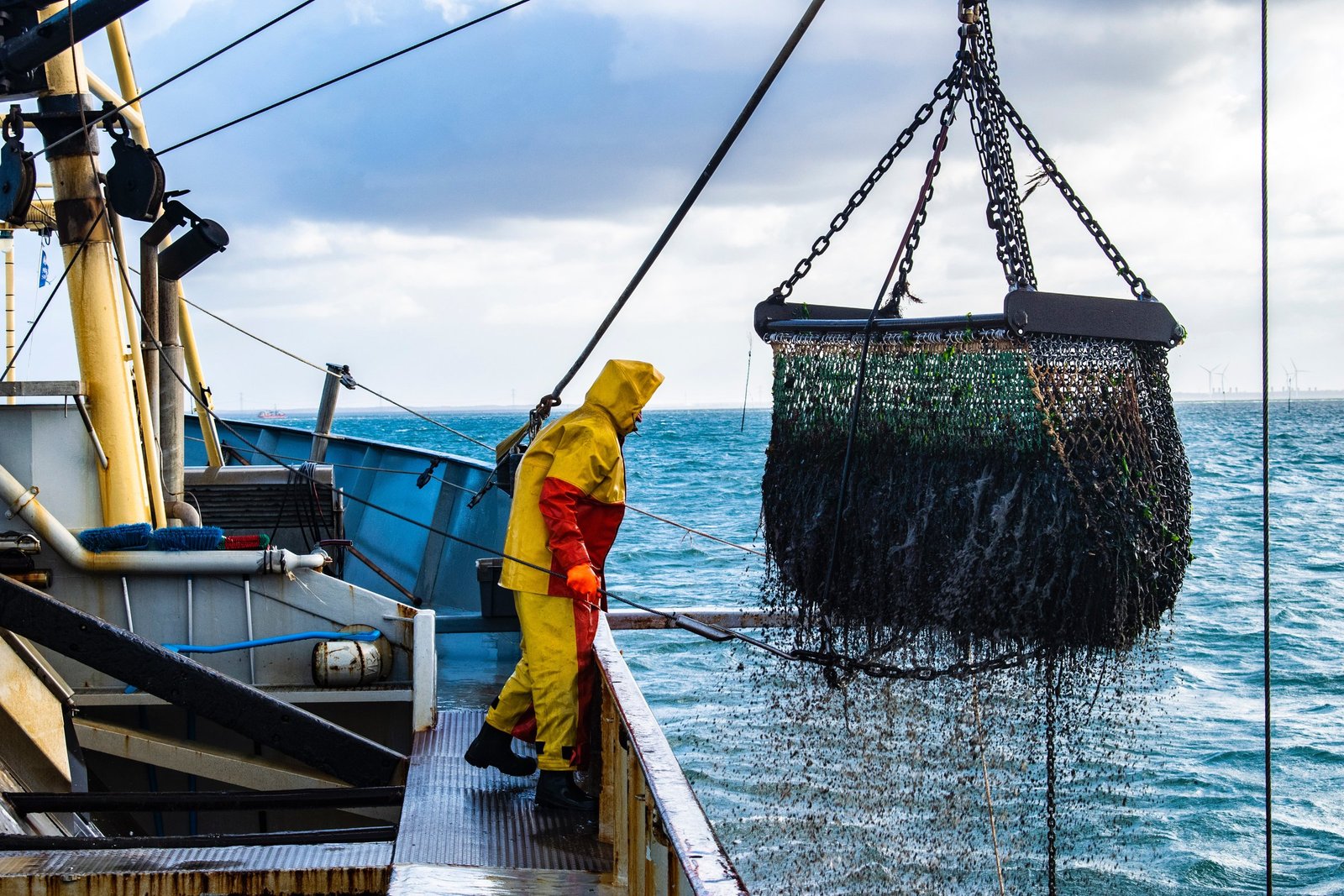
Bottom trawling involves dragging weighted nets across the seabed, a method widely criticised for damaging marine habitats, disturbing sediment and harming vulnerable species. Environmental lawyers say it is fundamentally at odds with the purpose of marine protected areas, especially Natura 2000 sites that are supposed to safeguard biodiversity.
According to the alliance, the legal framework already exists. What is missing, they argue, is proper implementation. That point is central to their strategy: instead of calling for entirely new laws, they want EU institutions to enforce the rules already on the books.
What the coalition wants from Brussels
The campaigners are asking the European Commission to take a firmer line against governments that fail to protect designated conservation zones. Their case is strengthened by earlier complaints filed against France, Germany, Italy, Denmark, the Netherlands and Spain over continued trawling in protected waters.
The Commission has not yet taken decisive action on those complaints, prompting the alliance to build a broader, coordinated European legal strategy. This fresh push is also designed to fit the current policy climate in Brussels, where officials are increasingly focused on simplification and cutting administrative burdens.
Environmental groups argue that a straightforward ban on bottom trawling in all protected areas would actually make compliance easier. Rather than relying on a patchwork of national interpretations, a clear EU-wide rule could:
- Reduce enforcement complexity
- Lower monitoring costs over time
- Give fishers a simple and uniform legal standard
- Strengthen habitat protection across the bloc
Read more: latest Ireland news and breaking Irish climate policy updates | in-depth Irish news analysis on environment and public affairs
Legal pressure grows as court rulings back marine protection
A key part of this Europe news story is the growing number of court decisions that appear to support the campaigners’ position. Environmental groups point to legal wins in countries including the Netherlands and France as evidence that judicial action can force stronger marine protection.
One of the most notable examples came from a Dutch court, which ruled against unpermitted bottom trawling in the Dogger Bank. That area is considered one of the North Sea’s most ecologically important sandbanks and is often described as a nursery ground for marine life.
These judgments are important because they suggest governments may face increasing legal risk if they continue allowing damaging fishing methods in nominally protected zones. For activists, they also provide a model for future action across multiple jurisdictions.
Why the timing matters
The European Commission is currently evaluating the Birds and Habitats Directives, the cornerstone laws behind much of EU nature protection. Green groups fear that this review, if handled poorly, could weaken existing safeguards rather than strengthen them.
That concern adds urgency to the alliance’s campaign. By pressing legal cases now, environmental organisations hope to show policymakers that the problem lies in enforcement gaps, not in excessive regulation. In other words, they want Europe news on biodiversity to focus on implementation instead of deregulation.
How severe is the damage in Europe’s seas?
The environmental backdrop is stark. The EU has committed to protecting at least 30 percent of its seas by 2030 under both its biodiversity strategy and the global Kunming-Montreal framework. But campaigners say those promises risk becoming hollow if destructive fishing continues inside protected areas.
Recent data underline the scale of the challenge:
- About 93 percent of Europe’s marine ecosystems face multiple human pressures, according to the European Environment Agency
- Commission data indicate 79 percent of the coastal seabed is physically disturbed
- Bottom trawling is identified as a major driver of that seabed damage
For marine scientists and conservation advocates, these figures show that protection on paper is not enough. Habitats such as seagrass meadows, reefs and sediment-rich seabeds can take years or even decades to recover once repeatedly disturbed.
Explore more: European sustainability insights and long-form green economy reporting | top Ireland news coverage on EU environment, fisheries and coastal communities
What happens next in this Europe news story?
Over the next year, the coalition is expected to focus on advancing existing legal complaints while building stronger links between lawyers, scientists and civil society groups across Europe. That network could lead to new cases in additional member states, increasing pressure on both national governments and EU institutions.
The broader political question is whether Brussels will finally move from declarations to enforcement. If the Commission opens infringement proceedings, the issue could become a landmark test of how seriously the EU treats its own marine conservation laws.
For readers following europe news, ireland news and wider irish news about climate and biodiversity, this dispute is about more than fishing. It is about whether protected seas are truly protected, and whether environmental commitments made in Brussels can survive contact with economic and political reality.
In the months ahead, this Europe news battle may become one of the clearest indicators of the EU’s willingness to defend nature not just in speeches, but in courtrooms and at sea.
FAQs
What is bottom trawling?
Bottom trawling is a fishing method that drags heavy nets across the seabed to catch species living near the ocean floor. Critics say it can seriously damage marine habitats.
Why are environmental groups taking legal action?
They argue that EU governments are failing to enforce existing nature laws in marine protected areas where damaging fishing should not continue.
Which countries have been named in earlier complaints?
Earlier complaints targeted France, Germany, Italy, Denmark, the Netherlands and Spain over trawling in protected Natura 2000 sites.
Why does this matter for EU policy?
The case tests whether the EU will enforce its biodiversity goals and marine protection rules as it works toward its 2030 conservation targets.