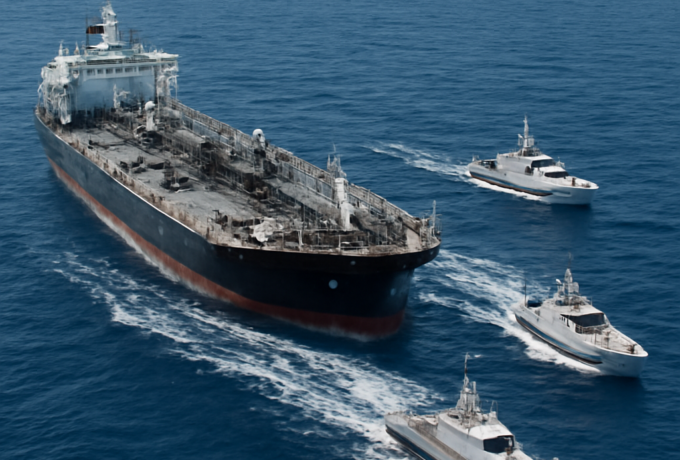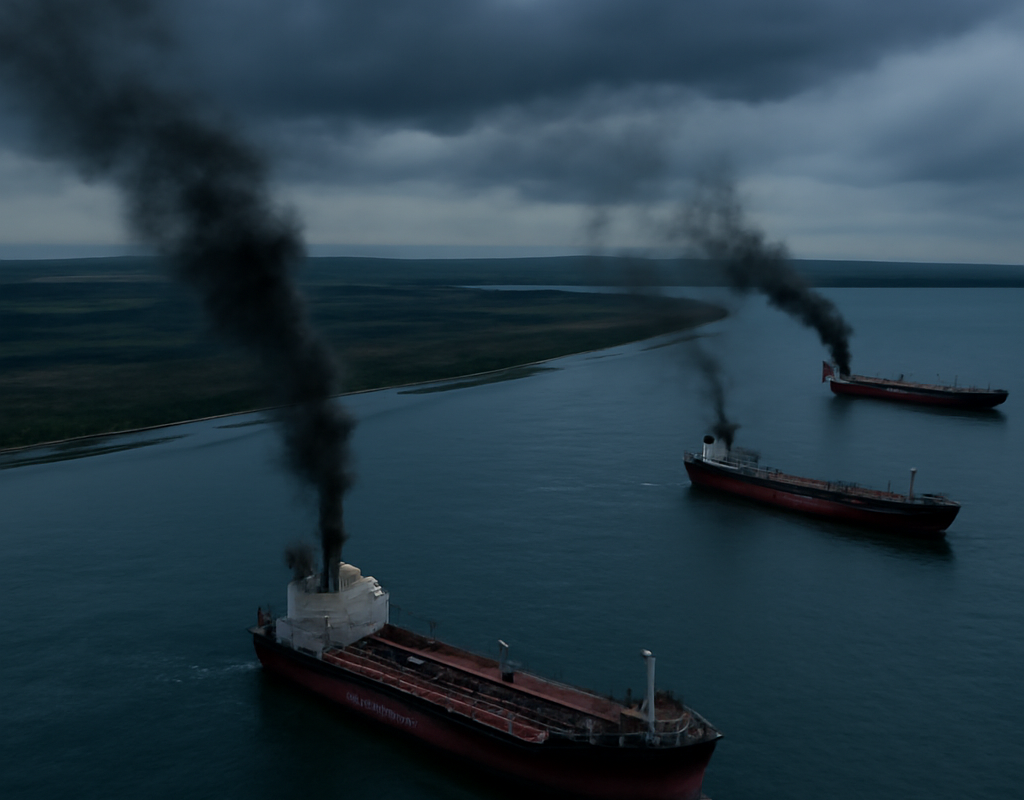
Three commercial vessels were struck by drones off Romania’s Black Sea coast on Saturday evening, according to Romanian authorities, in an incident that has heightened concern over shipping security near a vital route for Ukraine-bound trade. No injuries were reported, and crews extinguished fires that broke out on the vessels.
Three ships damaged near the Sulina canal
The attacks took place near Romania’s Sulina canal, which links the Danube to the Black Sea. The waterway is an important commercial route and is used by Ukraine to export goods despite the continuing war.
Romania’s Defence Minister Stefan Radu Oprea said the crews successfully dealt with the fires after the drone strikes. The vessels identified by Romanian authorities were:
- Greek-flagged chemical tanker Evia Petrol V
- Saint Kitts and Nevis-flagged bulk carrier Marsol
- Oil products tanker Ali Najafov
The incidents followed a separate reported strike on Friday involving the Palau-flagged cargo vessel Larissa 1, which was reportedly sailing towards Ukraine when it was hit by a drone.
Romania calls drone attacks unacceptable
Romanian Prime Minister Luca Niculescu described the attacks as “unacceptable” and said they represented a violation of international law. He linked the incidents to the deteriorating security environment created by Russia’s war against Ukraine.
Niculescu said Romanian Ministry of Defence radars detected aerial targets in the area. Romanian fighter jets were sent to investigate on two separate occasions, according to the prime minister.
Russia denied targeting countries neighbouring Ukraine with drones. The available account does not establish who launched the attacks, but the incidents have intensified concern about the possibility of the war affecting civilian shipping close to NATO territory.
Why the Black Sea shipping route matters
The Sulina canal is part of a wider network of routes used to move commercial goods through the Danube delta and into the Black Sea. Any damage to merchant vessels or uncertainty about drone activity could raise risks for crews, insurers and operators using the route.
The strikes also underline the difficulty of separating battlefield activity from civilian maritime traffic. Commercial tankers and bulk carriers operate alongside military surveillance and air-defence activity, creating a complex security challenge for countries bordering the Black Sea.
Romania seeks stronger allied support
Oprea is due to meet defence counterparts in Brussels next week, where the Black Sea security situation is expected to be discussed. He called for solidarity from Romania’s allies through surveillance-aircraft patrols and equipment designed to counter drones.
Romania’s request comes as European governments continue to assess the implications of the conflict for regional security, maritime trade and NATO’s eastern flank. Surveillance and counter-drone capabilities are likely to be central issues in discussions with allied defence officials.
What happens next?
Romanian authorities will face pressure to clarify the extent of the damage, the origin of the drones and whether additional protective measures are needed for vessels using the route. The upcoming Brussels meeting may provide an opportunity to coordinate surveillance and defensive support.
For commercial operators, the immediate concern is the safety of crews and ships moving near the conflict zone. Further incidents could affect routing decisions and increase scrutiny of maritime traffic around the Danube delta.
Key takeaway
The strikes on three commercial vessels near Romania’s Black Sea coast mark a serious escalation in risks facing civilian shipping near Ukraine. While no injuries were reported and responsibility remains disputed, Romania is seeking stronger allied surveillance and counter-drone support as it responds to the latest Black Sea security incident.