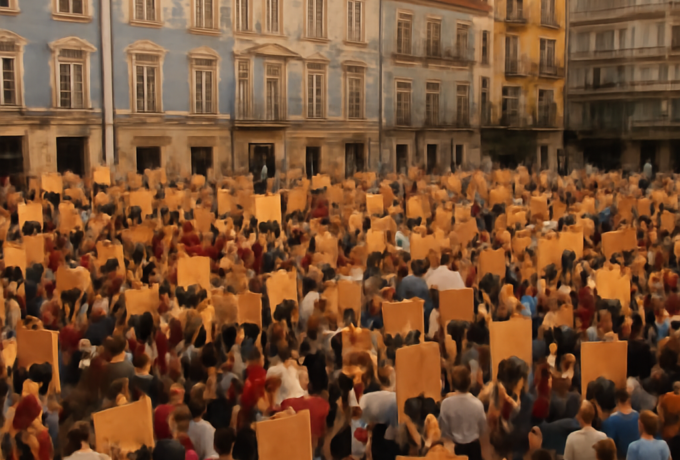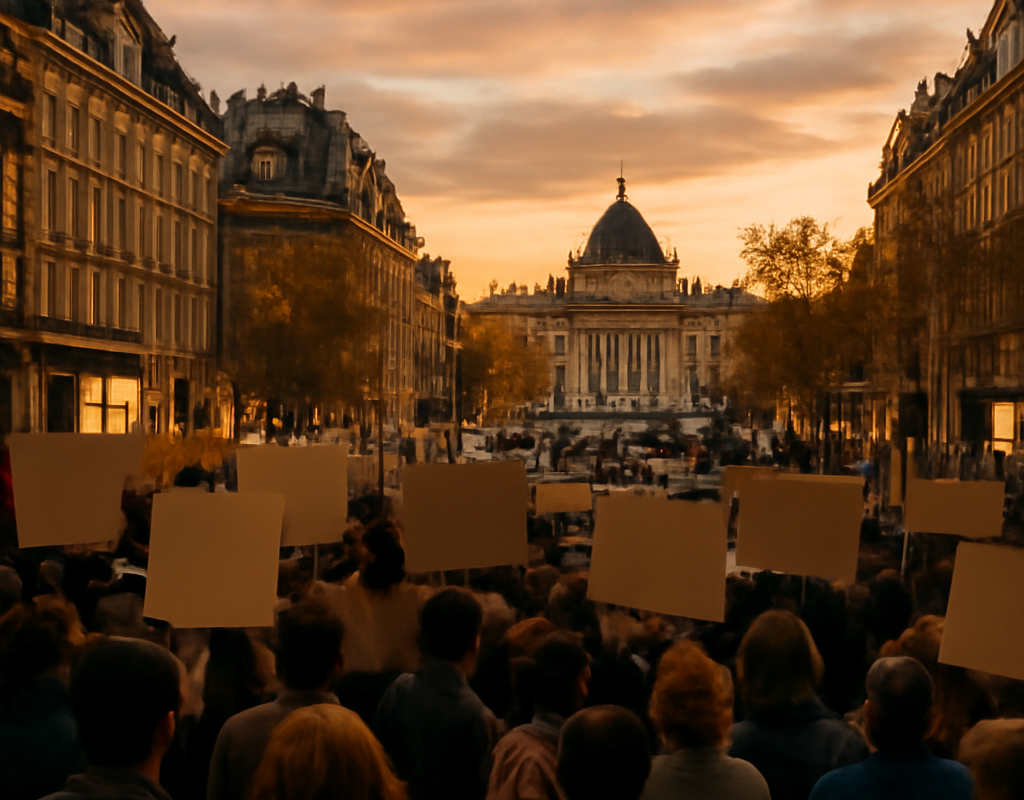
France has seen a fifth consecutive Saturday of nationwide protests, with thousands taking to the streets over the cost of living, education funding and a proposed police law. Demonstrators gathered in Paris and cities across the country as unions called for further strike action next week.
France protests continue across the country
The latest Europe news comes after more than a month of school blockades, demonstrations and industrial action. Yellow Vest activists, students and education unions joined Saturday’s protests, bringing different grievances under one national mobilisation.
In Paris, protesters gathered at Place de la République, a regular focal point for major demonstrations. Campaigners raised concerns about rising household costs, underfunded schools and the protection of children and teenagers.
Student representatives said schools needed more teachers and safer facilities, while arguing that worsening conditions were making it harder for young people to progress to university after completing their A-level equivalent examinations.
Turnout figures differ
Estimates of attendance varied significantly. France’s interior ministry said approximately 106,000 people demonstrated nationwide, including 24,000 in Paris. Organisers gave a much higher estimate of 200,000 nationally, with 100,000 in the capital.
Saturday’s turnout was below that recorded during the biggest recent mobilisation. More than 500,000 people joined a union-led strike on Thursday, according to the figures reported in the source material.
Unions reject minimum wage increase
The demonstrations also reflected continuing anger over pay and living costs. The government has promised to increase the minimum wage by 0.6%, but unions have rejected the offer as insufficient.
Further strike action has been called for Tuesday. The dispute illustrates the central issue in the latest European news updates from France: protesters are seeking measures they believe match the scale of pressure on household finances, rather than limited concessions.
Yellow Vest campaigners remain involved in the mobilisation, alongside organised labour and student groups. Their participation connects the current protests with France’s longer-running history of demonstrations over taxation, purchasing power and government policy.
Proposed police law becomes a major flashpoint
Opposition to a new police bill has added another dimension to the protests. The proposed legislation would give police officers and gendarmes additional legal protection when using firearms while carrying out their duties.
Supporters, including Marine Le Pen’s far-right party, argue that officers should not automatically be treated as having used excessive force when they discharge their weapons. The party is currently described in the source as the favourite in opinion polling for the presidential race.
Critics strongly oppose the proposal. Student and trade union representatives say it could make it more difficult to hold officers accountable and could create a presumption that an officer acted lawfully before the circumstances had been fully examined.
Claims of police brutality
The debate comes amid allegations about police conduct during recent demonstrations. Lawyers representing at least 18 people injured in protests said they planned to bring a case against the interior ministry over alleged police brutality, according to local media reports cited in the source.
The lawyers alleged that the use of force had caused serious injuries, including damage to protesters’ hands, feet and eyes. These remain allegations, and any legal proceedings would have to establish responsibility through the appropriate process.
Protesters in Toulouse also raised concerns about the treatment of young people during demonstrations. One participant said the repression of protests was unacceptable, particularly when children were involved.
What happens next in France?
The proposed police law is due to be put to a vote next week, making it a key test for the government amid continuing public opposition. The planned Tuesday strike could also show whether unions can maintain pressure after Saturday’s lower turnout.
The competing attendance estimates underline the political sensitivity of the protests. While the government’s figures suggest participation has fallen from Thursday’s peak, organisers say the movement remains substantial and nationally coordinated.
Why the protests matter in Europe news
France’s fifth consecutive Saturday of protests brings together economic demands, education concerns and a wider argument about policing and civil liberties. The next strike and parliamentary vote will determine whether the mobilisation intensifies or begins to lose momentum.
For readers following Europe news today, the immediate developments to watch are Tuesday’s industrial action, the government’s response to the minimum wage dispute and the parliamentary debate over police firearms protections. Together, they will shape the next phase of France’s prolonged protest movement.
Key points:
- Saturday marked the fifth consecutive weekend of nationwide protests in France.
- The interior ministry estimated 106,000 participants, while organisers claimed 200,000.
- Unions rejected a proposed 0.6% minimum wage increase and called another strike for Tuesday.
- Demonstrators oppose a police bill that would provide additional protection when officers use firearms.
- Lawyers representing at least 18 injured protesters reportedly intend to sue the interior ministry over alleged police brutality.
The key takeaway from the latest Europe news is that France’s unrest is no longer focused on a single issue: pay, public services and police accountability are now driving the same nationwide movement.