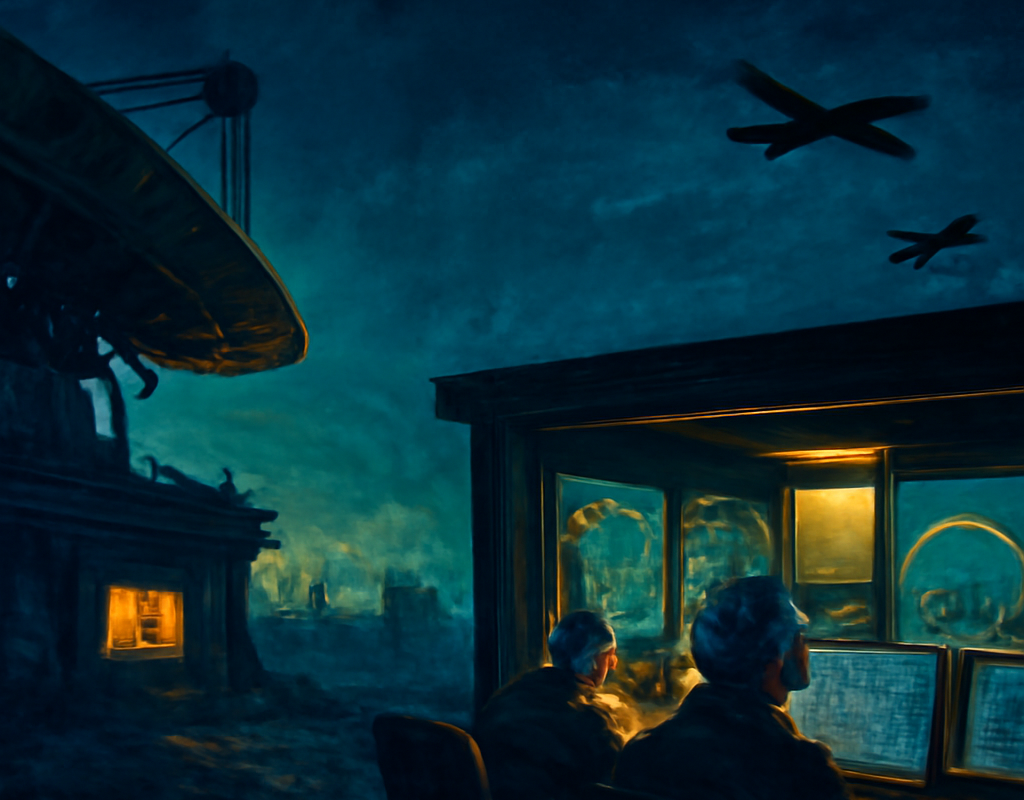
Ukraine’s President Volodymyr Zelenskyy has questioned SpaceX over reported restrictions affecting the Starshield satellite communications network, saying the issue is hampering efforts to intercept Russian attack drones. The comments add a new dispute to the latest EU news surrounding Ukraine, Western military support and attempts to restart peace talks.
What Zelenskyy said about Starshield restrictions
Zelenskyy said Ukrainian forces had faced limits on Starshield terminals for five days. According to comments released on Saturday, the terminals were reportedly restricted to a maximum speed of 161 kilometres per hour in areas occupied by Russian forces.
The Ukrainian president said SpaceX had described the restrictions as a technical problem, but Kyiv was not convinced. He said Ukraine had received “no clear explanations” and had instructed its foreign and defence ministries to contact the US Department of State, the Pentagon and SpaceX.
“We do not believe that is the case,” Zelenskyy said when discussing the explanation provided for the restrictions.
Why the service matters to Ukraine
Starshield has become an important part of Ukraine’s battlefield communications, providing resilient internet connectivity in conditions where conventional networks can be disrupted or destroyed. Zelenskyy said the reported limits were directly affecting Ukraine’s ability to intercept Russian jet-powered attack drones.
The dispute highlights the dependence of modern military operations on privately operated satellite and communications infrastructure. It also raises questions about how service decisions are made when commercial technology becomes central to a country’s defence.
Ukraine has used satellite communications to support coordination between units and maintain contact in areas affected by the war. Any reduction in reliability or performance could therefore have consequences beyond internet access, particularly where communications are linked to surveillance and air-defence activity.
Concerns over control of Ukrainian territory
Speaking at the European Political Community summit in Dublin earlier in the week, Zelenskyy said restrictions in occupied areas appeared to treat Ukrainian territory as if it were not Ukrainian.
He warned that decisions made in the United States could influence the wider direction of support for Kyiv. His remarks reflect continuing concerns in Ukraine about the extent to which foreign governments and companies can shape military assistance during the Russian invasion.
There was no explanation from SpaceX included in the source material for the reported restrictions, and the allegations have not been independently resolved. The precise technical cause, geographic scope and intended duration of the limits remain unclear.
Starshield dispute comes amid peace-talk proposals
The disagreement emerged as Zelenskyy described a separate proposal from Washington involving Ukrainian territory and NATO membership. He said American officials had raised whether Ukraine could join NATO if it withdrew from Donbas.
Zelenskyy said this was the first time the idea had been put to him in those terms. He also said Kyiv was discussing specific security guarantees with NATO and the European Union.
The Ukrainian president stressed that he could not accept such terms alone and would ask the Ukrainian public to respond if Western countries formally confirmed them. His comments underline the political sensitivity of any peace proposal involving territory, alliance membership and future security arrangements.
What the development means for European affairs
The Starshield issue is relevant to European politics because European governments are closely involved in debates over Ukraine’s security, military assistance and diplomatic future. It also comes as EU leaders consider how the bloc can contribute to peace efforts while maintaining support for Ukraine.
For Ireland, the remarks are particularly notable because they were made in Dublin during a European Political Community meeting. However, the source does not identify a new EU decision or a specific European Union measure linked to the reported Starshield restrictions.
- Kyiv says Starshield terminals faced reported speed restrictions for five days.
- Zelenskyy says the restrictions affected efforts to intercept Russian attack drones.
- Ukraine is seeking explanations from US officials, the Pentagon and SpaceX.
- Washington has reportedly raised a territorial concession linked to possible NATO membership.
- Kyiv says it is discussing security guarantees with NATO and the European Union.
What happens next?
The immediate issue is whether Ukraine receives a clear technical explanation and whether the reported restrictions are removed. Kyiv’s planned contacts with US authorities and SpaceX could clarify whether the limits resulted from a malfunction, a deliberate policy decision or another operational factor.
The wider diplomatic question is more difficult. Any proposal linking NATO membership to Ukrainian territorial withdrawal would require discussion among Ukraine, its allies and the relevant institutions. Zelenskyy’s comments indicate that Kyiv does not regard such a decision as one the president can make without public consent.
The developments will remain relevant to European news coverage because they connect battlefield technology, US policy, NATO’s future role and the EU’s involvement in possible security guarantees. For now, however, both the Starshield restrictions and the reported territorial proposal remain matters requiring further clarification.
Conclusion
The latest EU news on Ukraine is being shaped by two connected pressures: the practical need for reliable military communications and the political challenge of negotiating security while Russian forces remain in Ukrainian territory. Zelenskyy’s questions over Starshield place SpaceX and US decision-making under scrutiny, while his comments on NATO and Donbas show how difficult any peace settlement will be. The next confirmed explanations from SpaceX, Washington and European governments will be crucial.