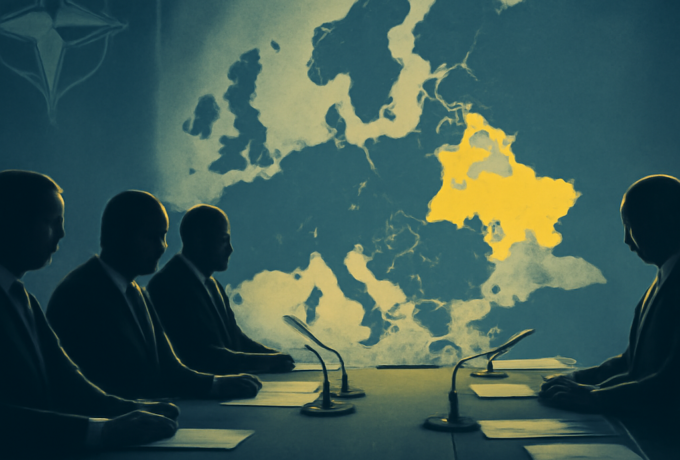
German Chancellor Friedrich Merz has said the decision not to admit Ukraine to NATO in 2008 was a mistake, arguing that membership at the time might have prevented Russia’s full-scale invasion. His remarks reopen one of the most contested questions in European security and come as diplomatic efforts to end the war continue.
Speaking alongside NATO Secretary General Mark Rutte in Berlin on 23 November 2026, Merz referred to a proposal backed by then-US President George W. Bush at the alliance’s Bucharest summit. According to the German chancellor, NATO should have followed the American position and offered Ukraine a clearer path to membership.
Merz says Ukraine’s NATO membership could have deterred Russia
Merz said the consequences of the 2008 decision were now clear from his perspective. He argued that if Ukraine had joined NATO, the war would likely have been prevented.
That claim is a political assessment rather than an established fact, but it reflects a continuing debate over deterrence, alliance commitments and the security order in Europe. Ukraine was not invited to join NATO in Bucharest, although the alliance stated that the country would eventually become a member.
The issue has returned to the centre of European news as possible terms for ending the war are discussed. Ukraine’s future relationship with NATO is increasingly viewed as part of any long-term settlement, even though there is no agreement among all members on immediate accession.
Rutte says NATO membership remains a distant prospect
Rutte took a more cautious position during the Berlin press conference. He said successful peace negotiations would need to come first and stressed that Ukraine’s NATO membership remains a long-standing position rather than an agreed near-term outcome.
NATO decisions require agreement among all 32 allies. Rutte also rejected any suggestion that Russia should be able to determine the alliance’s membership or force NATO back to its 1997 borders.
His comments followed renewed calls from French President Emmanuel Macron to reopen discussion about Ukraine joining NATO. The prospect has also emerged in debate about a possible final resolution to the war.
Why the 1997 NATO position matters
Russian President Vladimir Putin has reportedly indicated that Moscow would consider ending the war if NATO returned to its 1997 posture. Such a move would effectively reverse the alliance’s enlargement after the collapse of the Soviet Union.
Rutte made clear that NATO does not accept that premise. The alliance’s position is that its members, rather than the Kremlin, decide who can join and how NATO organises its defence.
Russia’s alleged hybrid attacks raise pressure on NATO
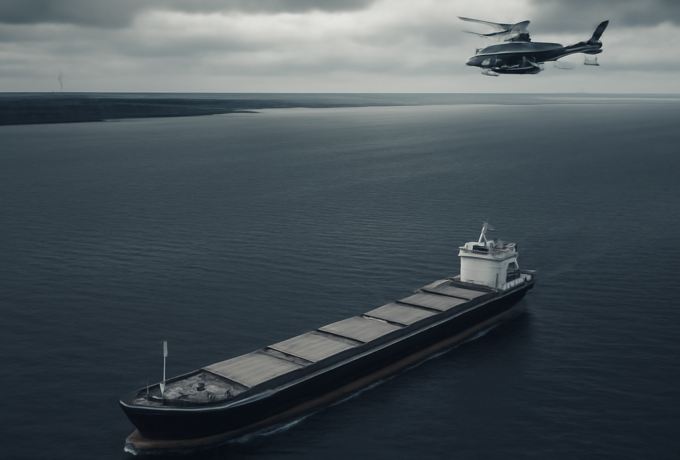
The discussion took place amid wider concern over Russian hybrid activity and threats to European security. Polish officials said two Russian cruise missiles and a drone recently landed on Polish territory, prompting NATO ambassadors to meet in Brussels.
NATO is considering whether to deploy additional assets in Poland and elsewhere. An alliance official said the Supreme Allied Commander Europe was examining possible deployments while reviewing NATO’s deterrence and defence posture.
Rutte linked what he described as growing Russian aggression to mounting battlefield losses in Ukraine. He said Russian forces could be losing up to 50,000 soldiers a month, although the source content did not provide independent verification for that figure.
He also argued that continued military support for Ukraine was the best response to hybrid attacks and other pressure on European states, summarising his position as: more support for Ukraine after every incident in Europe.
Ukraine war diplomacy remains uncertain
The Berlin meeting came during US-led negotiations aimed at ending the war. Rutte avoided predicting whether the NATO membership question could be revived as part of those talks, while Merz’s intervention gave fresh prominence to the alliance’s earlier decision.
Ukrainian President Volodymyr Zelenskyy separately attributed recent Russian strikes to what he described as weak meetings involving Putin, US President Donald Trump and Chinese President Xi Jinping. Those comments were published on X and represent Zelenskyy’s assessment of Russia’s actions.
For now, the central positions remain sharply divided:
- Germany: Merz says excluding Ukraine from NATO in 2008 was a historic mistake and that membership might have deterred the invasion.
- NATO leadership: Rutte says peace negotiations must succeed first and that accession is not currently agreed.
- Russia: Moscow has reportedly demanded a return to NATO’s 1997 posture.
- NATO allies: The alliance is considering additional defensive measures after reported incidents in Poland.
What Merz’s intervention means for European security
Merz’s comments do not change NATO policy, but they underline how Ukraine’s future security guarantees could shape any peace agreement. They also show that European politics is still divided between those seeking a formal alliance commitment for Kyiv and those prioritising negotiations before discussing membership.
The debate is likely to remain part of the latest EU news and European security discussions, particularly as governments respond to alleged Russian incursions and hybrid attacks. For Ireland, which is militarily neutral but closely connected to European security policy, the wider implications include questions about sanctions, humanitarian support and the protection of European states.
The immediate takeaway is that Ukraine’s NATO membership remains politically unresolved. Merz has recast the 2008 decision as a missed opportunity for deterrence, while Rutte has insisted that any future change must follow peace negotiations and be decided by NATO’s members—not Russia.