The latest EU sanctions against Russia proposal would widen pressure on Moscow by targeting banks, cryptocurrency platforms, oil-refinery services, the so-called shadow fleet, soldiers and sports organisations. The European Commission presented the package on 23 November 2026, saying it was responding to Russia’s continued attacks on Ukraine and its refusal to commit to an energy ceasefire.
If approved by all EU member states, the measures would become the bloc’s 22nd sanctions package since February 2022. Brussels is seeking agreement in December, before the Christmas break, while diplomatic efforts continue to bring Ukrainian, Russian, European and US representatives into a broader peace process.
What the new EU sanctions against Russia would cover
The proposal combines financial, energy, transport, security and sporting measures. It is not yet law: member states must examine and approve the package before the restrictions can take effect.
- Banking: a further 60 Russian banks could be removed from the SWIFT financial messaging system.
- Cryptocurrency: platforms allegedly used to bypass existing restrictions would face new measures.
- Energy services: European companies would be prohibited from repairing Russian energy facilities, including oil refineries damaged during the war.
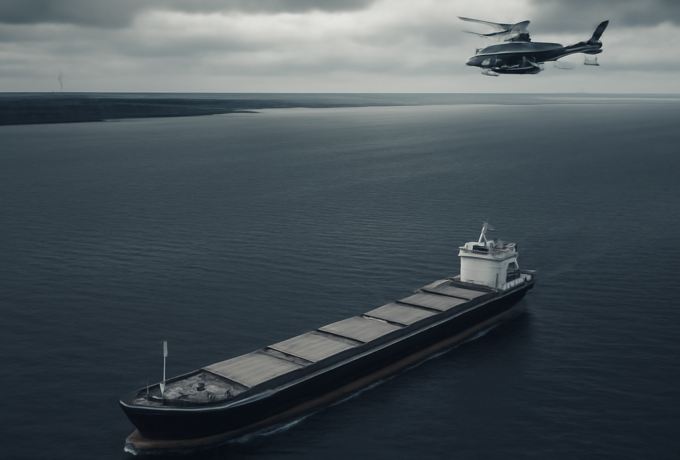
- Shipping: more than 70 vessels linked to Russia’s “shadow fleet” would be targeted.
- Entry bans: Russian soldiers who fought in Ukraine could be barred from entering the EU.
- Sport: Russian teams and athletes competing under the Russian flag, along with official Russian symbols, could be excluded from events held in the bloc.
Pressure on Russia’s shadow fleet
The Commission also wants to expand action against vessels used to move Russian oil around the existing price-cap system. The proposed targets would join more than 670 ships already denied access to EU ports and services.
EU officials regard many of these vessels as a security and environmental risk because they may lack conventional insurance, operate under false flags or use ageing equipment. The oil price cap is currently set at $44 per barrel, according to the proposal.
Russian soldiers and athletes included in EU measures
A proposed entry ban for Russian soldiers who fought in Ukraine revives an idea that was left unresolved in an earlier package. Concerns from France and Italy about administrative responsibilities and the legal burden on consular services had prevented progress in July.
The Commission is now presenting the restriction in the context of wider European security concerns, including alleged Russian-linked hybrid attacks. Denmark has also called for tighter visa controls after authorities said they had disrupted an alleged plot involving a US-Ukrainian rapper.
The sports provisions would prevent Russian teams and athletes from competing under the Russian flag at events inside the EU. The package would also restrict the use of official Russian symbols and prevent Russian nationals from making financial donations to, or holding positions in, governing bodies of European-based sports federations.
The proposal follows the International Olympic Committee’s decision in July to lift its suspension of Russian athletes ahead of the 2028 Los Angeles Olympics. The Commission said sporting events should not be used for state propaganda.
Why alumina is missing from the package
One notable omission is alumina, a material used in aluminium production. The issue has particular relevance for Ireland because of the Aughinish Alumina refinery in the west of the country and claims about possible links between Irish-made alumina and Russia’s military-industrial complex.
A government investigation in Dublin did not reach a definitive conclusion. It found no evidence that could either confirm or refute a direct connection between the Irish product and Russian weapons. Although Ireland has publicly opposed selecting sanctions selectively, the Commission did not appear to have sufficient support among member states to include alumina in this proposal.
EU sanctions enforcement and China’s role
The package comes as Brussels reorganises its approach to sanctions enforcement. The Commission has created a sanctions office within the Secretary-General’s structure, bringing together officials from different departments. Swedish diplomat Lars Danielsson has also been appointed to replace David O’Sullivan as the EU’s sanctions envoy.
A central challenge remains the circumvention of restrictions through third countries. Commission officials continue to raise the issue with China, which Brussels considers an important route for goods and components reaching Russia. Ukrainian President Volodymyr Zelenskyy has separately urged allies to tighten controls on components used to manufacture jet-powered drones attacking civilian areas.
What happens next with the EU proposal?
The measures must now be negotiated and approved by EU governments. The Commission wants a decision in December, but sanctions packages require political agreement among member states, meaning individual governments can seek changes or raise objections.
Zelenskyy is due to attend a special EU summit in Brussels later this week, where support for Ukraine, sanctions enforcement and the prospects for peace talks are expected to remain central issues.
The key takeaway from the latest EU sanctions against Russia proposal is that Brussels is widening pressure beyond conventional financial restrictions. The package would target the channels Russia uses to finance, supply and legitimise its war, but its final scope will depend on the member states’ negotiations in December.