

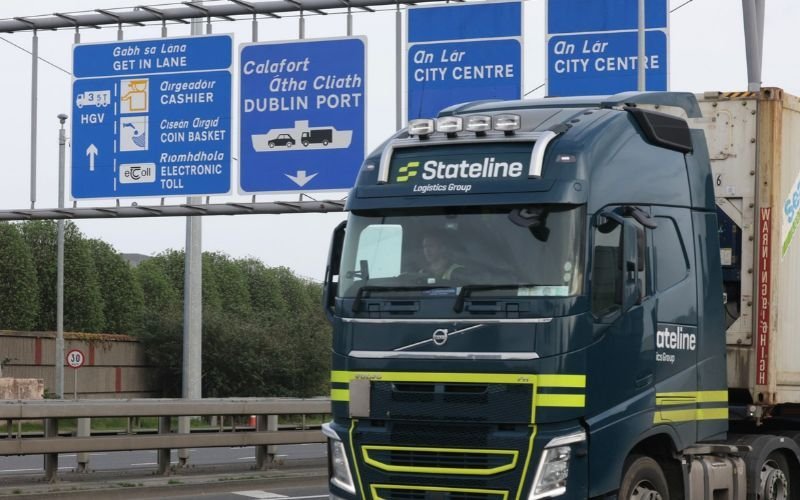
Travel Ireland by car in 2027 and your journey may cost a little more before you reach the next coastal viewpoint or country pub. Transport Infrastructure Ireland has approved toll increases across the national road network, meaning drivers should factor higher road charges into Ireland travel budgets and itineraries.
The changes are scheduled to begin at the start of 2027. All 10 toll points on Ireland’s national road network will see some form of increase, although the M3 between Clonee and Kells will remain unchanged for most vehicles.
What the 2027 Ireland toll increases mean for drivers
The biggest change affects the Dublin Port Tunnel during the morning peak. Drivers travelling southbound between 6am and 10am will pay €1 more, bringing the toll to €15. The southbound evening peak toll will remain at €12, while other Dublin Port Tunnel rates are not scheduled to change.
The M50 will also become more expensive. Toll charges will rise by 30 cents across vehicle categories. The exact impact depends on the payment method and vehicle type:
- Tag users will pay 10 cents more than at present.
- Drivers without a tag will face a 20-cent increase.
- Video-account users will also pay 20 cents more.
- Heavier HGVs will face a 20-cent increase.
Current M50 prices range from €2.60 to €3.80, depending on vehicle category and account arrangement. For visitors planning Dublin travel, the M50 is especially important because it links major routes around the capital and is frequently used for airport transfers, day trips and Ireland family trips.
Public-private partnership roads
Eight of Ireland’s 10 toll roads operate under public-private partnership arrangements. On these routes, the standard car toll will increase by 10 cents in 2027. Larger commercial vehicles will pay more, too: heavier HGVs will generally see an additional 20 cents, while vehicles weighing more than 3,500kg with four axles will face a 30-cent rise.
For people planning Ireland road trips, the increase is modest on an individual journey but can add up across a multi-stop Ireland travel itinerary. Drivers covering long distances on the Wild Atlantic Way, travelling between Dublin, Cork, Galway and Limerick, or arranging group trips Ireland-wide should check toll routes before setting out.
The M3 Clonee to Kells exception
The M3 Clonee to Kells is the main exception to the nationwide changes. Tolls for most vehicles will remain unchanged. However, HGVs weighing 3,500kg or more will pay an extra 10 cents.
This route can be useful for travellers heading towards County Meath and the Boyne Valley, including visitors combining historic Ireland castles, countryside escapes and day trips from Dublin. As always, drivers should confirm current charges and payment arrangements before travel, particularly when using rental cars or commercial vehicles.
How to plan Ireland travel around higher toll costs
For most holidaymakers, the new charges are unlikely to transform the cost of an Ireland holiday. Fuel, accommodation and car hire will usually have a greater effect on the overall budget. Still, toll planning is one of the simplest ways to avoid surprises, especially for visitors hiring a car for scenic drives or an Ireland weekend getaway.
Useful Ireland travel tips include:
- Check whether your rental car uses a toll tag or video account before leaving the collection desk.
- Allow extra time if you plan to avoid toll roads through alternative local routes.
- Keep a payment card available for roads where automatic payment is not included.
- Map tolls in advance when comparing an Ireland road trip with train travel or ferry travel.
- Build a small road-charge allowance into your holiday budget.
Travellers on a tight budget can compare toll routes with slower scenic alternatives. Avoiding every toll is not always worthwhile, however: a longer route may use more fuel and add significant driving time. For many Ireland tourism itineraries, paying a modest toll can be the more convenient option.
Read more: Plan memorable Ireland scenic drives and countryside escapes with practical ideas for exploring beyond the main cities.
Drivers heading towards Ireland’s west coast should also consider journey timing. Popular routes to the Cliffs of Moher, Galway and the Wild Atlantic Way can become busy during summer, festivals and bank-holiday weekends. Leaving early can reduce congestion and give you more time for Ireland sightseeing, walking tours and local experiences.
Explore more: Find inspiration for Ireland holiday destinations, day trips and weekend getaways before finalising your route.
Frequently asked questions
When will Ireland’s toll increases begin?
The approved increases are scheduled to take effect at the start of 2027.
Which Irish toll road is seeing the largest stated increase?
The southbound Dublin Port Tunnel morning-peak toll will rise by €1, applying between 6am and 10am. The new charge will be €15.
Will the M50 toll increase?
Yes. M50 charges will rise by 30 cents across vehicle categories, with the precise increase varying according to payment method and vehicle type.
Is any Irish toll road staying unchanged?
The M3 Clonee to Kells will remain unchanged for most vehicles. HGVs weighing 3,500kg or more will pay an additional 10 cents.
Do tourists need to prepare for the toll changes?
Yes, particularly if hiring a car for Ireland road trips. Confirm how tolls are handled by the rental company, check the payment method and include road charges in your travel budget.
Travel Ireland with confidence by checking tolls before departure, allowing realistic journey times and choosing routes that match your budget. The increases are relatively small, but planning now will make 2027 road trips smoother—especially for anyone passing through Dublin or covering several regions in one holiday.