

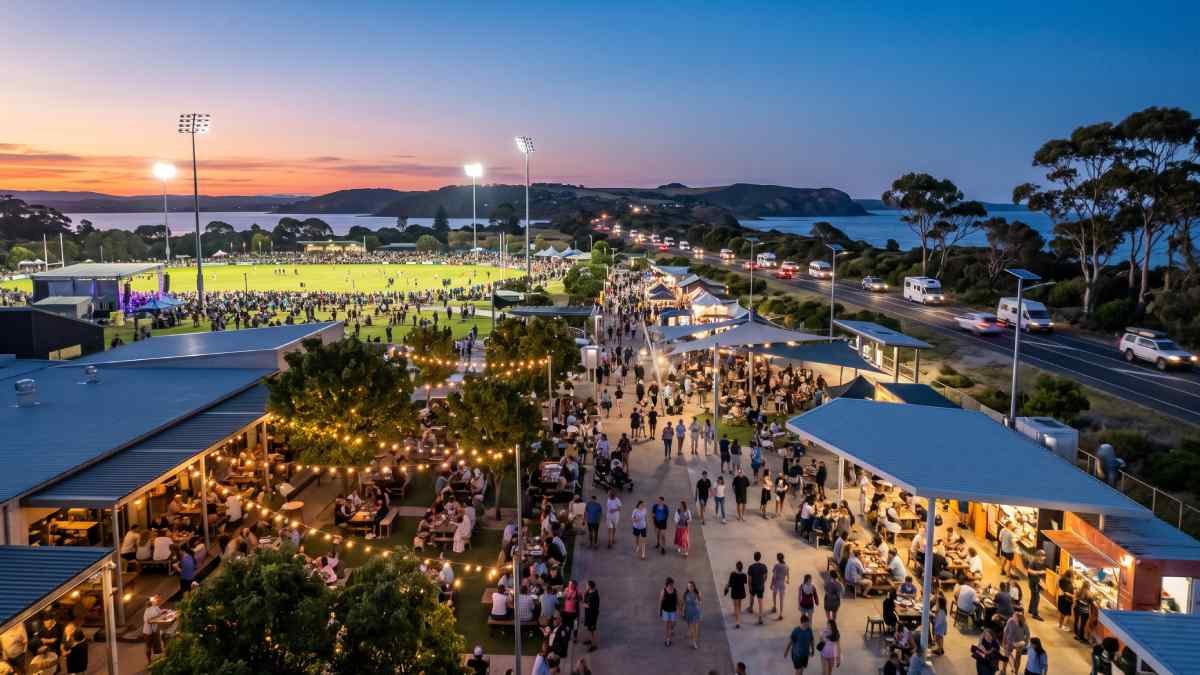
Rising heat and intense solar exposure are forcing tourism planners across Australia, New Zealand and the Pacific to rethink when visitors travel, gather and spend. The shift towards twilight and night-time events is becoming more than a heat-management measure: it is changing transport patterns, hotel demand, regional tourism and the way destinations protect nearby communities and wildlife.
For travellers, the practical effect is clear. Sporting fixtures, festivals and cultural events that once took place in the hottest part of the day may increasingly begin later, while morning sightseeing, afternoon retail and evening entertainment become part of a redesigned visitor economy.
Why Oceania is moving major events into the evening
Traditional event schedules were built around daylight, with outdoor competitions and festivals often held between late morning and mid-afternoon. In tropical and subtropical parts of Oceania, however, high temperatures, humidity and strong solar radiation can create dangerous conditions for athletes, performers and spectators.
Organisers increasingly use the Wet-Bulb Globe Temperature, or WBGT, to assess heat stress. Unlike a standard air-temperature reading, WBGT also considers humidity, radiant heat and wind. That makes it a more useful tool for deciding whether strenuous outdoor activity can safely continue.
Under the guidelines referenced in the source material, rising WBGT levels can trigger additional hydration breaks, shade requirements, shorter activity periods and, at extreme readings, postponement or suspension of daytime events. Moving activity towards sunset reduces direct solar exposure and allows surfaces and surrounding areas to cool.
From heat protection to permanent scheduling changes
The move is not limited to emergency cancellations. Destinations are investing in floodlighting, upgraded electrical systems, shade structures and redesigned spectator facilities so that evening events can operate reliably.
Examples include motorsport and sporting venues in northern Australia, where selected races and fan activities have been moved into twilight or night-time slots. Fiji has also invested in floodlighting and track improvements at Suva’s HFC Bank Stadium, supporting evening athletics and rugby fixtures.
These changes can extend the usable event calendar, create new broadcast opportunities and make summer programming more viable. LED lighting may also reduce energy consumption compared with older systems, although the overall cost and environmental impact will depend on the venue, power supply and operating schedule.
The wider effect on hotels, transport and regional tourism
Night events redistribute visitor spending rather than simply adding another activity to an itinerary. Visitors may spend the morning on sightseeing or outdoor excursions, use the afternoon for shopping and dining, and attend a major event after sunset.
That pattern can benefit hotel districts, restaurants, local retailers and transport providers. It may also encourage travellers to stay longer instead of visiting a city only for a single daytime event.
In regional Australia and New Zealand, organisers and tourism authorities are examining how major events can act as starting points for multi-day road trips. Travellers attending a competition in one city may continue by car or motorhome to regional communities, caravan parks, roadside businesses and Indigenous-owned tourism enterprises.
- Visitors: cooler event conditions and more flexible daily itineraries.
- Hotels and restaurants: stronger demand later into the evening.
- Regional communities: an opportunity to capture spending beyond the host city.
- Transport operators: increased demand for late services and safe connections.
- Event organisers: additional lighting, staffing, security and operational costs.
Night-time tourism also creates environmental challenges
Later events are not risk-free. Loud music, motorsport, fireworks and large crowds can disturb residential areas and wildlife, particularly where venues are close to conservation zones, marine habitats or communities seeking quieter forms of tourism.
Sound management therefore needs to develop alongside night-time programming. Measures may include acoustic zoning, limits on amplified sound, carefully planned pyrotechnics, transport controls and monitoring near sensitive habitats. Without these safeguards, moving an event away from daytime heat could create a different form of local disruption.
Late finishes also require practical planning. Visitors need reliable public transport, well-lit walking routes, safe taxi or rideshare access and clear information about hotel transfers. Destinations that extend event hours without extending transport capacity may simply move congestion from the afternoon into the night.
What travellers should check before booking
Anyone planning a major event holiday in Oceania should check the official schedule rather than relying on older promotional material. Timings can vary by competition day, weather conditions, television requirements and local safety decisions.
- Confirm the event’s start and finish times, including any twilight sessions.
- Check whether public transport operates after the event ends.
- Allow extra time for late-night traffic and security screening.
- Review heat, hydration and sun-protection advice even if the main event is scheduled after sunset.
- Check accommodation cancellation terms if the itinerary depends on an outdoor event.
- Plan any onward road journey carefully, particularly in remote areas.
Travellers from Ireland should pay particular attention to local time differences, connecting flights and transport availability after late finishes. A night event may be more comfortable, but it can also require an additional hotel night or a revised airport-transfer plan.
A long-term redesign of the visitor economy
The evening-event trend reflects a broader adaptation to hotter operating conditions. It combines thermal-risk planning with changes to hospitality, mobility, venue infrastructure and regional destination management.
For Australia, New Zealand and Pacific destinations, the objective is not simply to avoid cancelling events during heatwaves. It is to build schedules that protect health, spread tourism revenue and keep destinations attractive across a longer season. Success will depend on whether organisers can balance commercial activity with energy use, noise control, local quality of life and the protection of natural areas.
For visitors, the takeaway is straightforward: event times in Oceania are becoming more climate-sensitive. Check the official timetable, plan transport after dark and allow flexibility for weather-related changes. The growth of twilight tourism may make travel more comfortable, but it will work best when event planning, visitor services and environmental protections develop together.