

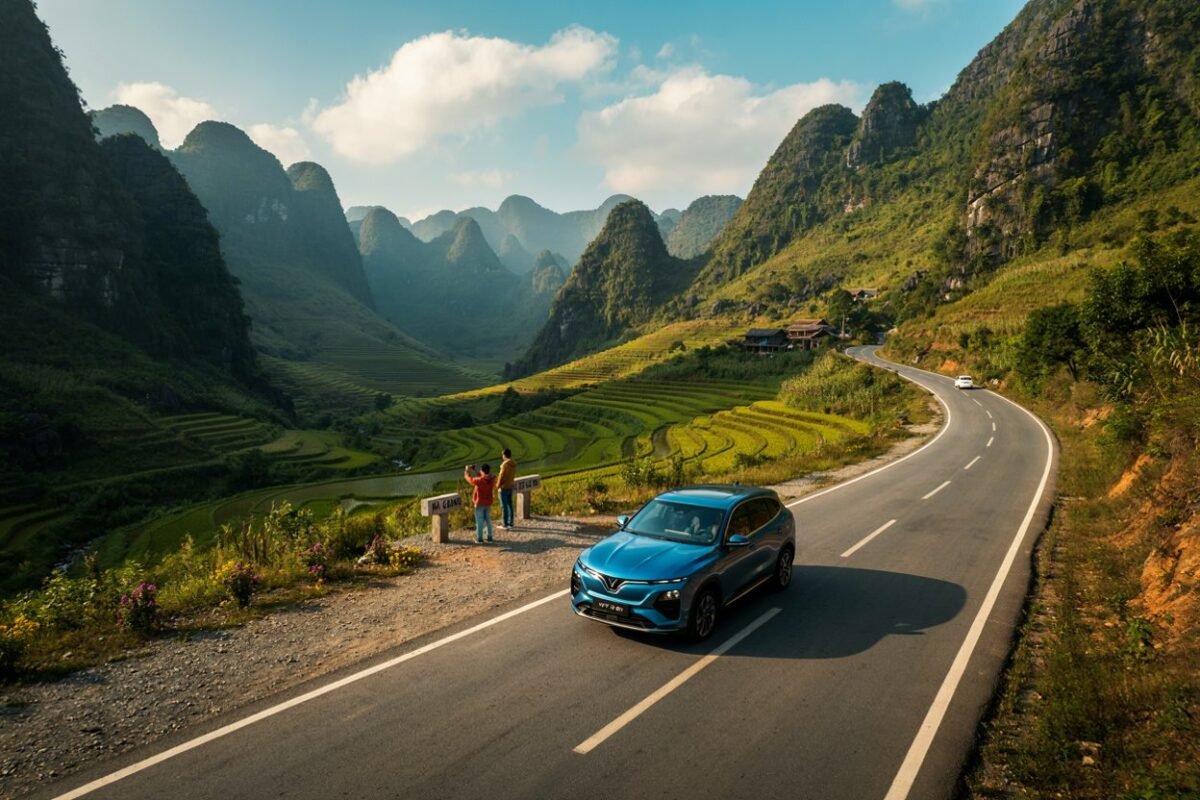
Road travel across Asia is attracting renewed attention as visitors look for more flexible itineraries, regional experiences and alternatives to heavily visited tourism hubs. A travel industry report published on 5 November 2026 points to rising interest in self-drive and road-based holidays across Vietnam, Thailand, Malaysia and other Asian destinations, while also cautioning that some of the available figures require careful interpretation.
The trend reflects a broader shift in how travellers plan holidays. Instead of staying in one city or resort, visitors are increasingly considering journeys that connect urban centres with rural communities, coastal areas, mountain landscapes and smaller destinations.
What the latest Asia road travel report shows
The report cites Agoda research published in September 2026, which reportedly recorded an 81% increase in global car rentals over a 12-month period. That figure suggests stronger demand for rental vehicles, but it should not be treated as proof that Asian road trips alone increased by 81%.
The available information does not establish whether Agoda’s measurement covered bookings, searches, completed rentals or another company-specific indicator. It also concerns global car rental activity rather than the entire Asian tourism market.
Other figures cited in the report include faster search growth for secondary Asian destinations and strong interest in non-urban leisure trips. However, the methodology and geographic scope of those measures are not fully established. They are best understood as signals of changing travel preferences rather than definitive market statistics.
Why the distinction matters
Several factors may be influencing interest in road travel, including higher flight costs, concerns about overcrowding and demand for more local experiences. The available data does not prove that any single factor caused the reported growth.
Road travel also does not necessarily replace air travel. Many international visitors still fly to Asia before using rental cars, buses, taxis, organised transfers or domestic transport to explore a wider region.
Why travellers are looking beyond major tourism hotspots
Overtourism has encouraged some visitors to consider itineraries beyond the most heavily promoted cities, beaches and heritage sites. Expanding a trip across several destinations can spread visitor spending and give travellers greater control over how long they stay in each location.
That approach is not automatically beneficial for every community. Smaller destinations may have limited roads, accommodation, waste services or emergency facilities. A sudden rise in visitors can place pressure on areas that are not prepared for rapid growth.
For regional road tourism to produce lasting benefits, local communities need to participate in planning and share in visitor spending. Responsible tourism remains important, particularly in rural and environmentally sensitive areas.
- Check road conditions and weather before travelling.
- Use licensed drivers and transport providers where appropriate.
- Respect local communities, cultural sites and environmental rules.
- Allow extra time for journeys in mountainous or rural areas.
- Confirm insurance, licence and vehicle requirements before driving.
Vietnam offers mountain, coastal and rural road-trip options
Vietnam is central to the discussion because its varied geography allows visitors to combine major cities with mountain areas, agricultural valleys, coastal communities and smaller towns.
Northern Vietnam is known for winding mountain roads, terraced landscapes and rural settlements. These areas may appeal to travellers interested in scenery, photography, food and community-based experiences. A journey through the region can include several stops rather than a single urban base.
Independent driving, however, requires careful preparation. Road conditions can vary, weather may change quickly and local driving requirements may differ from those in a visitor’s home country. Vietnam’s official tourism information highlights buses and motorbikes as important domestic transport options and advises inexperienced riders to exercise caution.
Visitors who do not have suitable experience or recognised documentation may prefer an organised excursion, local driver or established transport service. Road-based exploration does not require every traveller to hire a private vehicle.
Road travel does not always mean self-driving
Vietnam’s domestic bus network and locally operated transfers can connect established destinations including Hanoi, Hue, Hoi An, Nha Trang, Da Lat and Ho Chi Minh City. This gives visitors the flexibility of a multi-stop itinerary without taking responsibility for navigating unfamiliar roads.
Thailand promotes regional journeys beyond its best-known resorts
Thailand provides another example of how road tourism can link several provinces. An official Tourism Authority of Thailand itinerary covers Songkhla, Phatthalung and Trang, highlighting cultural attractions, coastal scenery, local food, community activities and natural areas.
The itinerary is an example of official destination promotion, not evidence that visitor numbers on the route have risen by a specific amount. It nevertheless demonstrates how regional travel can bring several communities into one holiday plan.
Travellers following a multi-province route may spend money on accommodation, restaurants, attractions, local guides and community activities in more than one location. The actual economic impact depends on whether local businesses and residents are able to secure a meaningful share of that spending.
Malaysia and Thailand develop cross-border self-drive tourism
Malaysia offers a further example of road travel being incorporated into tourism planning. Tourism Malaysia and Thailand’s tourism authority have worked on a cross-border self-drive initiative linking northern Peninsular Malaysia with southern Thailand.
Cross-border journeys can broaden the range of destinations available to visitors, but they also require more preparation than domestic travel. Travellers must check border procedures, vehicle permissions, insurance, driving licences and any rules applying to rented or privately owned vehicles.
Requirements may vary according to nationality, vehicle ownership and the border crossing used. Travellers should confirm current arrangements with the relevant authorities and rental company before setting out.
What this means for travellers planning an Asian road holiday
The reported growth in road travel reflects a changing holiday model rather than a confirmed replacement for conventional flight-and-hotel trips. Visitors may combine international flights with regional buses, guided excursions, rental vehicles or private transfers.
Before booking, travellers should consider:
- whether they are legally permitted to drive in the destination;
- which documents and licences are accepted;
- insurance exclusions for motorbikes, cars and rural roads;
- seasonal weather and road conditions;
- the availability of fuel, medical care and mobile coverage;
- cross-border entry requirements if visiting more than one country.
Travellers should also avoid assuming that a less-visited destination is automatically easier or safer to navigate. Lower visitor numbers can mean fewer transport connections, limited English-language assistance and less access to familiar services.
Conclusion: Asia’s road travel trend is expanding the holiday map
Asia’s road travel trend highlights growing interest in flexible, multi-stop holidays across Vietnam, Thailand, Malaysia and other destinations. The reported 81% rise in global car rentals is significant, but its methodology and relevance to Asian travel should be treated cautiously.
The clearest takeaway is that road-based tourism is becoming an important way to connect major destinations with smaller communities and varied landscapes. Travellers should plan carefully, verify driving and border requirements, and choose transport arrangements suited to local conditions rather than assuming every journey is suitable for independent self-drive travel.