A major railway planning project could change how people live, work and invest across the west of Ireland. Irish Rail has appointed consultants to develop plans for doubling the track between Limerick Junction and Limerick city, a move described as having the potential to unlock economic growth and new housing.
This Breaking News update comes as Irish Rail outlines a wider investment programme worth approximately €4 billion across the State over the next four years. The proposed rail expansion is still at the planning stage, but it could become an important part of the region’s long-term transport and development strategy.
Western railway investment: what has been announced?
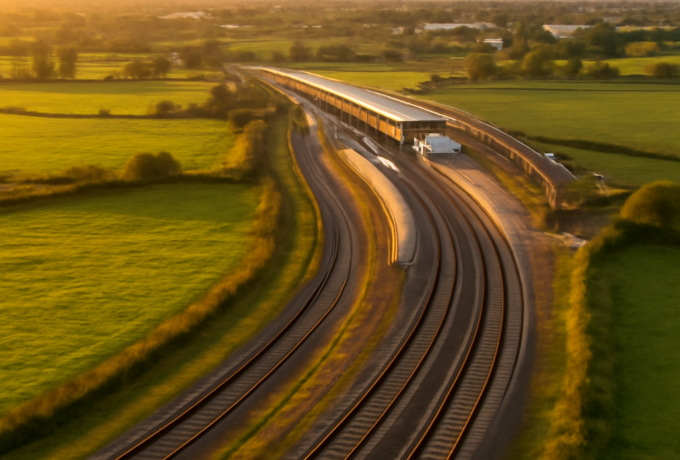
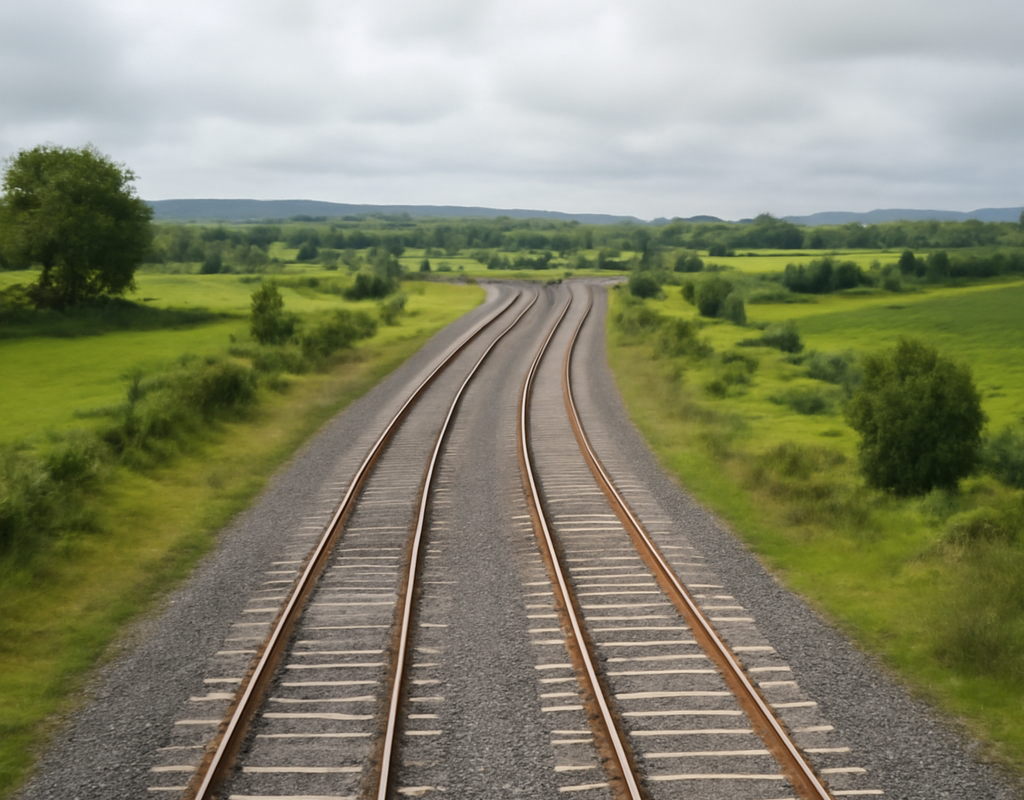
Irish Rail has signed a contract with consultants to prepare plans for double-tracking the railway line from Limerick Junction into Limerick city. A double-track railway generally allows trains to travel in both directions more efficiently, reducing the constraints associated with a single line and potentially supporting more frequent or reliable services.
The announcement does not confirm that construction will begin immediately. The consultancy work is intended to examine the requirements, design options and broader delivery considerations for the proposed upgrade. Further decisions would be needed before the project could move into construction.
Key facts
- Irish Rail is planning the next stage of work for double-tracking between Limerick Junction and Limerick city.
- Consultants have been appointed to draw up plans for the project.
- The investment is being linked to economic development and housing potential in the west.
- Irish Rail has identified a wider State investment pipeline of about €4 billion over four years.
Why the project matters for the west of Ireland
Transport connections can influence where employers locate, where people choose to live and how easily communities access education, healthcare and public services. A stronger rail connection into Limerick could improve the city’s relationship with towns and settlements along the route, while supporting more sustainable travel.
The housing implications are also significant. Where rail services are dependable and capacity can grow, land near stations may become more attractive for residential development. Better connectivity can help people consider living outside the city while continuing to work or study in Limerick.
That does not mean the railway project alone will solve Ireland’s housing shortage. Planning decisions, infrastructure capacity, local services, construction costs and funding will all influence whether additional homes are delivered. However, transport investment can provide an important foundation for coordinated regional development.
Potential benefits for residents and businesses
- More capacity for passenger services between Limerick and surrounding areas.
- Improved access to jobs, education and healthcare.
- Greater confidence for businesses considering regional investment.
- Support for lower-carbon travel and reduced dependence on private cars.
- More opportunities to coordinate housing growth with public transport.
Read More
Follow further developments in transport, housing and regional investment through DailyDigest Ireland coverage.
How this fits into Ireland’s transport plans
The proposed Limerick route upgrade is part of a broader period of investment in Ireland’s rail network. Irish Rail chief executive Mary Considine said the projects form part of a pipeline of investment of roughly €4 billion across the State during the coming four years.
That wider programme reflects growing pressure on public transport systems. Population growth, congestion, climate targets and the need to connect regional economies have increased attention on rail capacity. Investment decisions are likely to be assessed not only by passenger demand, but also by their contribution to balanced regional development.
For the west, the Limerick Junction connection has particular importance because it links the Limerick area with the wider national rail network. Improving capacity on the route could strengthen connections for commuters and visitors, while supporting the city’s role as a regional economic centre.
What happens next?
The immediate next step is the preparation of plans by the appointed consultants. That work is expected to help Irish Rail and relevant public authorities understand the engineering, operational, environmental and financial requirements associated with double-tracking.
Key stages will likely include technical assessment, design development, cost analysis, consultation and decisions on funding and delivery. The final timetable will depend on the outcome of that work and on government investment priorities.
Residents, businesses and local representatives will be watching for more information about stations, land requirements, construction disruption and future service levels. Until those details are confirmed, the economic and housing benefits should be understood as potential outcomes rather than guaranteed results.
Frequently asked questions
What railway line is being assessed?
The project concerns the line between Limerick Junction and Limerick city, where Irish Rail has appointed consultants to develop plans for double-tracking.
Does the announcement mean construction has started?
No. The announcement relates to planning and consultancy work. Construction would require further assessment, approvals and funding decisions.
How could the project affect housing?
Improved rail capacity could make locations along the route more accessible and support housing development, provided planning, utilities and other infrastructure are delivered alongside it.
Why is double-tracking important?
Additional track can provide more operational flexibility and may allow for increased service capacity, although the precise benefits will depend on the final design and timetable.
Conclusion
The western railway investment represents an important planning step for Limerick and the surrounding region. While the project remains at an early stage, better rail capacity could support jobs, housing and more sustainable travel if it receives the necessary approvals and funding. This Breaking News story will develop as Irish Rail publishes further details about the plans, costs and delivery timeline.