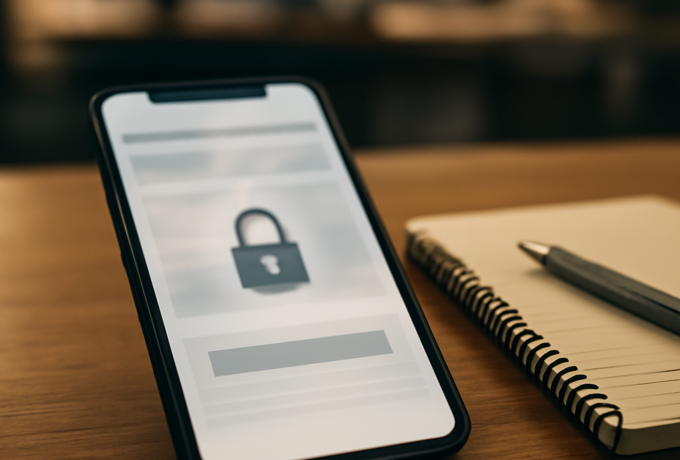
Readers looking for the latest Ireland news from the supplied source may currently find only a sign-in message rather than the article itself. The page is marked as subscriber-only, with access offered to people who sign in or create a free account.
What the source page confirms
The available page content does not reveal the article’s headline, subject, claims, quotations or publication details. It contains account prompts explaining that registration is optional and can allow readers to access the discussion and continue reading selected content.
Because the article body is not available in the supplied material, its subject cannot be independently summarised without risking inaccurate reporting. No verified information has been provided about an incident, public figure, organisation, location or developing event.
Why this matters for readers following Breaking News Ireland
When a news page is restricted by a sign-in or subscription requirement, search snippets and page labels are not enough to establish what happened. Responsible coverage should distinguish between confirmed information and content that remains inaccessible.
- The source page is identified as subscriber-only.
- Readers are invited to sign in or create a free account.
- The supplied extract does not include the article’s substantive reporting.
- No event, allegation or official response can be confirmed from the available text.
This is particularly important for people searching News Today, Latest News Ireland or Ireland Headlines. Publishing an inferred summary based only on a URL or access notice could mislead readers and spread unverified claims.
For verified Irish headlines and developing stories, follow official statements from relevant public bodies and trusted news services.
What readers can do next
Readers who want to view the original report can use the access options shown on the page. That may involve signing in or creating a free account, depending on the publisher’s current access policy.
For independent verification, readers should look for corroborating information from appropriate sources, such as:
- Official government departments or public agencies.
- An Garda Síochána, where a policing matter is involved.
- Local authorities, emergency services or event organisers.
- Company statements or regulatory notices for business-related stories.
- Additional reputable reporting that clearly identifies its sources.
Frequently asked questions
What is the article about?
The supplied extract does not disclose the article’s topic. It only shows a subscriber-access notice and account prompts.
Can the story be described as confirmed Breaking News?
No. The available material does not confirm a news event, and there is no article text to assess.
Does creating an account guarantee access?
The page says readers can sign in or create a free account to continue reading, but the precise access terms are controlled by the publisher.
Where can readers find reliable News Updates?
Readers should consult official sources and established news organisations, checking the date, location and evidence behind any developing report.
Conclusion
The supplied page confirms an access restriction, not the substance of a news story. Until the underlying article or independent official information is available, readers should treat any supposed summary as unverified. For accurate Breaking News Ireland coverage, the safest approach is to rely on confirmed sources, clear attribution and updates that separate established facts from developing information.